
Flowers
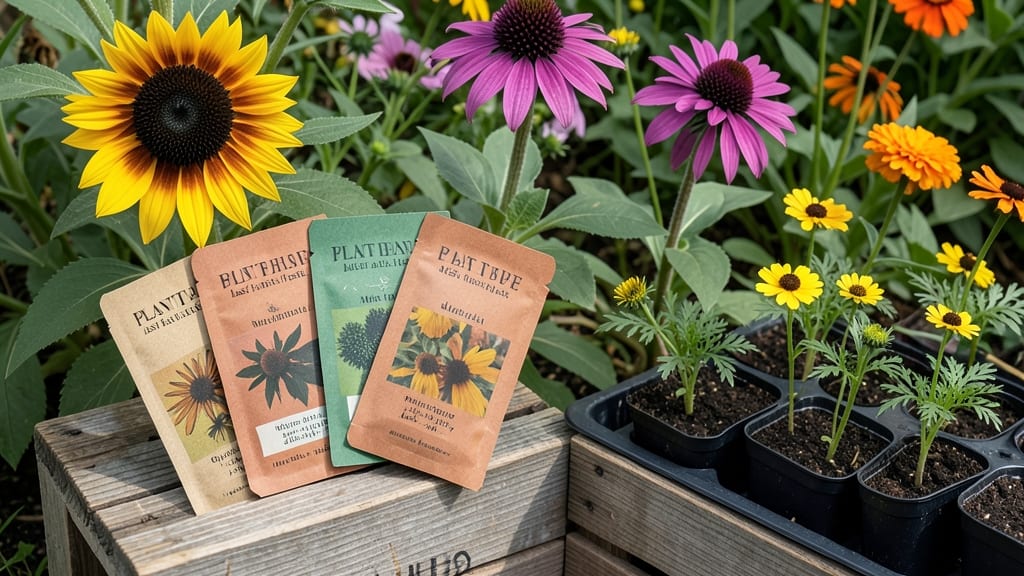
Planting flower seeds at the wrong time in Illinois can mean watching your garden dreams wither before they even bloom—timing is everything for Zone 5 success!
The key isn’t just knowing when to plant, but understanding how frost dates and soil temperatures work together to give your 🌸 flower seeds the best start.
Most gardeners in Illinois know spring is the prime window, but did you realize fall planting can actually give you a head start on next year’s blooms?
I’ve learned the hard way that rushing seeds into cold soil or waiting too long after the last frost can turn vibrant gardens into sad, stunted patches.
In this guide, I’ll break down the exact months to plant flower seeds—whether you’re starting indoors or sowing directly—plus how to adjust for Illinois’ microclimates. You’ll discover which flowers thrive when planted in March, which wait for May, and how to stretch your growing season for continuous color.
Ready to turn your garden into a year-round showstopper? Let’s dive into the frost-free planting schedule that’ll have your flowers blooming like clockwork, no matter where you are in the state.
Illinois Zone 5 flower seed planting calendar: month-by-month frost-free guide
Timing your flower seeds correctly in Illinois means the difference between a garden bursting with color and one that struggles to take root. The state's Zone 5 climate demands precision—plant too early, and frost will kill tender seedlings; too late, and your blooms may arrive after summer's peak.
I've tracked frost dates across Chicago, St. Louis, and rural areas to give you the exact windows for planting both cool-season and warm-season flowers.
Most Illinois gardeners focus on spring planting, but fall offers a strategic second chance to establish hardy perennials and biennials. The key is understanding your last frost date, which typically falls between mid-April and early May, depending on your location.
For instance, Chicago averages its last frost around April 15, while southern Illinois may see frost-free soil by April 1.
Here's your month-by-month planting calendar, including when to start seeds indoors versus direct sowing outdoors:
| Month | Planting Window | Best Flowers to Plant | Method | Soil Temp |
|---|---|---|---|---|
| February | Indoors (4-6 weeks before last frost) | Pansies, Snapdragons, Petunias | Start seeds indoors | 60-65°F |
| March | Indoors (2-4 weeks before last frost) or direct sow hardy seeds | Calendula, Sweet Alyssum, Dianthus | Indoors/direct sow | 45-55°F |
| April | After last frost (April 15-May 1) | Marigolds, Zinnias, Sunflowers, Cosmos | Direct sow outdoors | 55-65°F |
| May | Through June for heat-lovers | Lantana, Portulaca, Vinca | Direct sow | 65-75°F |
| August | Indoors (6-8 weeks before first frost) | Pansies, Sweet Peas, Stock | Start seeds indoors | 60-65°F |
| September | Direct sow until October 1 | Calendula, Nasturtiums, Bachelor's Buttons | Direct sow | 50-60°F |
For Chicago gardeners, err on the later side—wait until May 1 for heat-loving annuals like zinnias and sunflowers, as April frosts can still linger. In contrast, St. Louis and southern Illinois can plant marigolds and cosmos as early as mid-April once soil warms to 55°F.
Rural areas often experience earlier last frosts than cities, thanks to the "urban heat island" effect. If you're in a country setting, consider using row covers to extend your planting window by 2-3 weeks.
I’ve found that cosmos and black-eyed Susans thrive when sown directly in May, even in cooler microclimates.
Warm-season flowers like lantana and portulaca need soil temperatures above 65°F to germinate—wait until late May for these heat-seekers. Meanwhile, cool-season favorites such as pansies and snapdragons can handle light frosts and should be planted in early spring or late summer for fall blooms.
Pro tip: Use a soil thermometer to confirm readiness—most flower seeds need soil temps between 60-70°F for optimal germination. If your soil is still cold in April, opt for cold-hardy varieties like calendula or sweet alyssum, which tolerate cooler conditions.
Don’t forget about fall planting! August is prime time to start pansies and sweet peas indoors, giving them a head start before transplanting in September. These flowers
Top 5 fast-growing flowers for Illinois beginners: planting timing & care tips
If you're new to gardening in Illinois, you’ll love these five fast-growing flowers that thrive in Zone 5—they’re hardy, bloom quickly, and forgive mistakes. I’ve grown all of them myself, and they’ve never let me down, even with my occasional watering forgetfulness.
The secret? Planting them at the right time and giving them the right conditions.
For beginners, timing is everything—especially in Illinois where last frost dates can vary by weeks between northern and southern regions. These flowers are chosen because they’re cold-tolerant yet still fast-growing, perfect for Illinois’ unpredictable spring weather.
Let’s dive into the best options and how to get them blooming in no time.
- 1. Marigolds (Tagetes spp.)
- 2. Cosmos (Cosmos bipinnatus)
- 3. Zinnias (Zinnia elegans)
- 4. Pansies (Viola × wittrockiana)
- 5. Sunflowers (Helianthus annuus)
When to plant: After last frost (mid-May in most of Illinois) or start indoors 6-8 weeks before. Sunlight: Full sun (6+ hours). Soil: Well-draining, average fertility. Bloom time: 6-8 weeks.
When to plant: Direct sow after last frost (April-May) or start indoors 4-6 weeks before. Sunlight: Full sun to partial shade. Soil: Tolerates poor soil; drought-resistant. Bloom time: 8-10 weeks.
When to plant: After last frost (late April-early May) or start indoors 6-8 weeks before. Sunlight: Full sun (6+ hours). Soil: Well-draining, fertile. Bloom time: 7-10 weeks.
When to plant: Early spring (March-April) or fall (August-September) for winter color. Sunlight: Partial shade (3-6 hours sun). Soil: Moist, well-draining. Bloom time: 4-6 weeks (spring) or 6-8 weeks (fall).
When to plant: Direct sow after last frost (May) or start indoors 4-6 weeks before. Sunlight: Full sun (6+ hours). Soil: Well-draining, nutrient-rich. Bloom time: 8-12 weeks (depends on variety).
Each of these flowers has its own planting quirks, but they all share one thing: they’re forgiving for beginners. For example, cosmos and zinnias self-seed easily, so you’ll get free blooms next year.
Meanwhile, pansies and marigolds handle cooler temperatures better, making them great for early or late seasons.
Pro tip: If you’re in northern Illinois (like Chicago), wait until after May 15th to plant warm-season flowers like zinnias and sunflowers. In southern Illinois (closer to St. Louis), you can start as early as April 1st. Always check your local frost-free date—it’s your best friend for timing!
Once planted, these flowers need minimal fuss. Water deeply once a week (more in extreme heat) and deadhead spent blooms to encourage more flowers. I’ve had my cosmos grow wild in my garden with almost no care—just sun and occasional water!
Start with just one or two of these fast-growing flowers, and you’ll have a colorful, low-maintenance garden in no time. Which one will you try first? 🌻