
Flowers
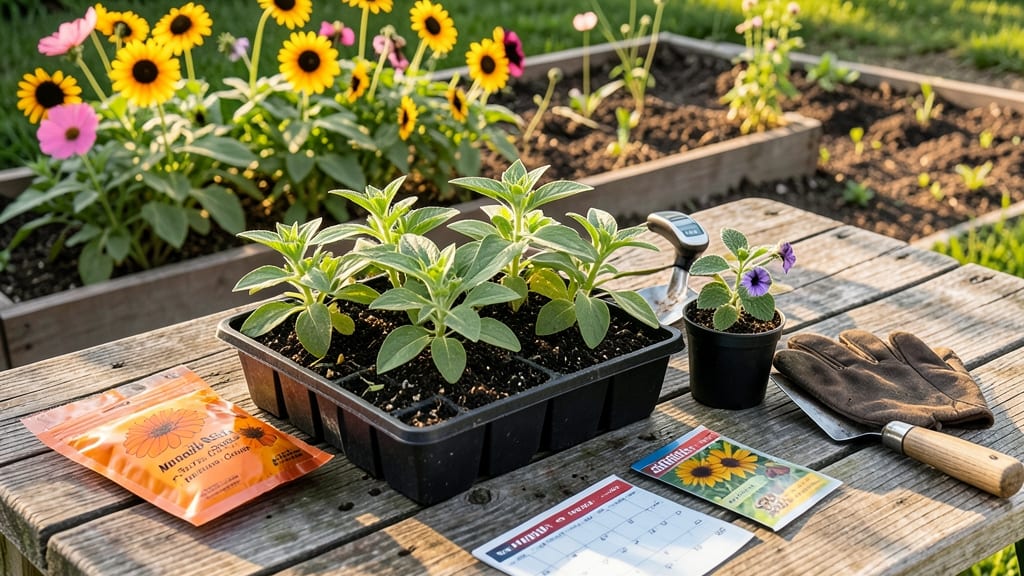
Planting flower seeds at the wrong time in Missouri can mean the difference between a garden bursting with 🌸 color and a season of disappointment.
The key to success lies in understanding your Zone 5b-6b frost dates and how they shape your planting windows—because waiting until the last minute or starting too early can both backfire.
Most Missouri gardeners know the frustration of watching delicate seedlings meet their end when frost strikes, or seeing their summer blooms fizzle from heat stress.
But with the right timing—like planting cool-season flowers in late March or early May and warm-season varieties in August—you can stretch your blooms from spring through fall without guessing.
I’ve tested these strategies over years in Missouri’s unpredictable climate, and what works here might surprise you. Whether you’re a beginner or a seasoned gardener, mastering these planting windows will give you longer blooms, healthier plants, and less stress about Mother Nature’s mood swings.
Ready to transform your garden into a year-round display? Let’s break down the exact months, soil prep secrets, and flower varieties that thrive in Missouri’s unique conditions—so you can finally stop worrying and start planting with confidence.
Missouri flower seed planting calendar by season (Zone 5 & 6)
Missouri’s Zone 5 and 6 climates offer a 165-day frost-free window, but timing matters—plant too early and frost zaps seedlings; too late and you lose summer blooms.
I’ve broken down the best months for annuals, perennials, and cold-hardy flowers, with regional tweaks for Missouri’s microclimates (e.g., St. Louis vs. Kansas City).
Start with cold-hardy annuals like snapdragons and lobelia in March under row covers, then transition to heat-lovers like marigolds and cosmos by May. Fall planting (August–September) lets you sneak in pansies and calendulas for winter color.
Here’s your month-by-month planting guide, including soil temperature thresholds and frost-free dates for Missouri’s Zone 5b/6a areas:
| Month | Plant Type | Ideal Varieties | Soil Temp (°F) | Notes |
|---|---|---|---|---|
| March | Cold-Hardy Annuals | Snapdragons, Lobelia, Pansies | 40–50°F | Use row covers; avoid frost |
| April | Perennials & Biennials | Black-Eyed Susans, Coneflowers | 50–60°F | Direct-sow after last frost |
| May | Heat-Loving Annuals | Marigolds, Zinnias, Sunflowers | 60–70°F | Wait until soil warms |
| June–July | Succession Planting | Cosmos, Nasturtiums, Sweet Alyssum | 65–80°F | Sow every 2 weeks for continuous blooms |
| August | Fall Annuals | Pansies, Calendulas, Stock | 55–65°F | Plant 8–10 weeks before first frost |
| September | Cold-Tolerant Perennials | Asters, Goldenrod, Sedum | 50–60°F | Establish roots before winter |
For Zone 5b areas (e.g., Columbia), delay May plantings by 1–2 weeks to avoid late frosts. In Zone 6a (e.g., Kansas City), you can push fall sowing into early October for hardy varieties like sweet peas.
Pro tip: Test soil temperature with a soil thermometer—most seeds need 60°F+ to germinate. Cool springs? Try biodegradable seed starter pots to jumpstart growth.
Missouri’s humidity and summer heat demand well-draining soil. Amend clay soil with compost or sand to prevent root rot in heat-loving annuals like petunias.
Don’t overlook shade-tolerant flowers for north-facing beds: impatiens, coleus, and begonias thrive in partial shade (3–6 hours of sun). Plant these in May–June after the worst heat waves pass.
Extend your season with row covers or cold frames—I’ve had pansies bloom through December in St. Louis by covering them in November.
How to adjust planting times for Missouri’s unpredictable weather
Missouri’s weather can throw even the most experienced gardeners for a loop—one week of unseasonable warmth followed by a late frost in May or a sudden heatwave in June. These swings make traditional planting windows tricky, but with the right adjustments, you can still grow a stunning garden.
The key is flexibility: knowing which flowers to plant early, which to delay, and how to protect your investments when Mother Nature changes her mind.
I’ve learned the hard way that sticking to a rigid schedule often leads to disappointment. Instead, I now use a combination of season extenders, fast-growing varieties, and weather monitoring tools to stay ahead of Missouri’s mood swings.
For example, I plant cosmos and zinnias in late May when the soil warms, knowing they’ll bolt if sown too early, but I also keep row covers on hand for a surprise frost in June.
Another trick? Starting some seeds indoors in early April for flowers like petunias and geraniums, then transplanting them after the last frost date—usually around April 15 in most of Missouri. This gives them a head start and ensures they’re established before the heat of summer arrives.
For cool-season flowers like pansies or snapdragons, I plant them in late August to enjoy blooms well into fall.
Missouri’s High-Risk Planting Weeks
These dates mark the most unpredictable times for frost or heat in Missouri. Adjust your planting schedule if you see forecasts for unseasonable temperatures:
- Late April - Early May: Last frost window—delay planting if nights are still chilly.
- Mid-June: Sudden heatwaves can stress young seedlings; use shade cloth.
- Early October: First frost risk increases—opt for cold-hardy varieties.
If you’re worried about a late frost, invest in frost blankets or row covers to protect tender seedlings. These lightweight fabrics trap heat and can raise soil temperatures by up to 5-10°F, giving your plants a fighting chance.
I keep a few on hand and drape them over my annuals whenever the forecast calls for temperatures below 32°F. For early heatwaves, shade cloth is a lifesaver—it blocks up to 50% of sunlight and prevents seedlings from wilting.
Choosing the right flower varieties also makes a difference. Fast-blooming annuals like marigolds and sunflowers can be direct-sown in late May and still produce blooms by summer. Perennials like coneflowers and black-eyed Susans are more forgiving—they’ll bounce back from frost and still thrive in Missouri’s heat.
I always prioritize these resilient picks when adjusting my planting timeline.
For a foolproof strategy, create a planting checklist for high-risk weeks. Include tasks like monitoring soil temperatures (use a soil thermometer!), checking weather forecasts daily, and having backup seeds ready in case of failure. I also recommend planting a mix of early, mid, and late-season flowers to ensure continuous blooms.
For example, combine sweet peas (plant in March) with cosmos (plant in June) and chrysanthemums (plant in August) for a garden that never skips a beat.
With these adjustments, you’ll turn Missouri’s unpredictable weather into an advantage. The secret isn’t avoiding the chaos—it’s learning to dance with it. And trust me, once you master the art of flexible planting, your garden will thank you with vibrant blooms from spring to frost. 🌼