
Flowers
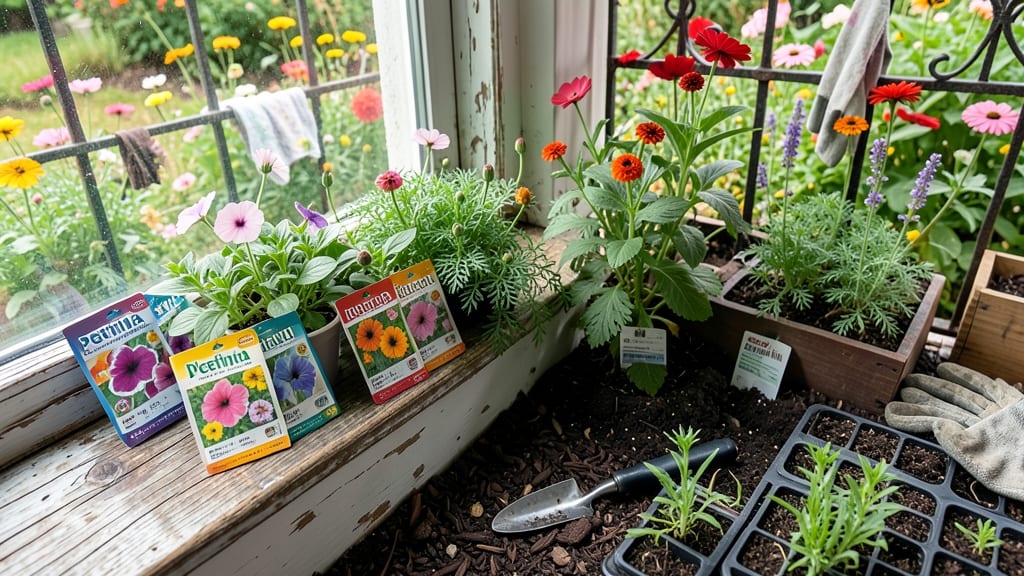
When to plant flower seeds in Wisconsin is the secret to a garden that bursts with color instead of freezing before it even begins. With frost dates shifting unpredictably across zones 4–6, knowing the right timing—whether in Milwaukee’s urban heat pockets or Green Bay’s lake-effect chill—can save you from wasted seeds and disappointed blooms.
Most gardeners assume "spring" means mid-April, but Wisconsin’s last frost typically lingers until mid-May, and that’s when the real magic happens. The key isn’t just waiting for warm weather—it’s prepping soil, starting tender seeds indoors, and choosing varieties that can handle the state’s short, intense growing season.
In this guide, I’ll break down the exact planting windows for both cool-season flowers (like snapdragons) and heat-lovers (like marigolds), plus how to adjust for your microclimate. Whether you’re a first-time gardener or a veteran with frostbitten memories, these tips will help you plant with confidence—and watch your garden thrive.
Ready to turn your Wisconsin yard into a summer-long floral show? Let’s get those seeds in the ground at the perfect moment—no more guessing, just blooms.
Wisconsin flower seed planting calendar by month (Zone 3-4)
Wisconsin’s Zone 3-4 climate demands precision when planting flower seeds—miss the window, and frost will nip your blooms before they begin. The key is understanding last frost dates (typically mid-May in southern Wisconsin, late May in northern regions) and adjusting for cold-hardy varieties that can handle early starts.
Whether you're sowing cosmos in April or marigolds in August, timing makes all the difference.
For Milwaukee and Madison, aim to plant cool-season flowers like pansies and snapdragons as early as late April, while Green Bay gardeners should wait until early May due to colder microclimates.
Warm-season favorites like zinnias and sunflowers thrive when direct-sown after Memorial Day, but late summer sowings (July–August) extend fall color. Let’s break it down month by month to avoid frost surprises.
| Month | Planting Window | Best Flowers to Sow | Notes |
|---|---|---|---|
| April | Indoors (start seeds) | Pansies, Snapdragons, Sweet Alyssum | Use grow lights; harden off before last frost. |
| May | Outdoors (after frost) | Cosmos, Marigolds, Calendula | Wait until soil is 50°F+; cover seedlings if frost threatens. |
| June | Direct-sow or transplant | Sunflowers, Zinnias, Nasturtiums | Thin seedlings to 12 inches apart; mulch to retain moisture. |
| July | Late summer sowing | Black-Eyed Susans, Coneflowers, Goldenrod | Ideal for fall blooms; water deeply during drought. |
| August | Fall prep (perennials) | Lupines, Foxgloves, Hollyhocks | Sow seeds now for next spring’s blooms. |
| September | Cold-hardy annuals | Sweet Peas, Stock, Larkspur | Plant 6-8 weeks before first frost for winter color. |
April is all about indoor starts—pansies and snapdragons thrive when sown under grow lights 6–8 weeks before your area’s last frost. These cool-season champions can handle light frosts, making them ideal for Wisconsin’s Zone 3-4 gardens.
Harden off seedlings by placing them outdoors for 2–3 hours daily starting in late April, gradually increasing exposure to toughen them up.
By May, the focus shifts to direct sowing once soil temperatures hit 50°F. Cosmos and marigolds are fast-growing annuals that tolerate cooler soils, while calendula adds edible blooms to your garden. Use row covers if overnight temps dip below 40°F—they protect young plants without trapping excess heat.
This is also the perfect time to transplant seedlings like petunias and geraniums, ensuring they establish roots before summer heat arrives.
June kicks off the peak planting season for warm-season lovers. Sunflowers and zinnias need full sun (6+ hours daily) and thrive when direct-sown after Memorial Day. Thin seedlings to prevent overcrowding—aim for 12–18 inches apart depending on the variety.
Mulch heavily to retain moisture, as Wisconsin summers can bring drought conditions. For container gardens, choose compact varieties like dwarf zinnias to maximize space.
Don’t overlook late summer sowings in July and August—they’re your ticket to fall blooms. Black-eyed Susans and coneflowers, both perennial favorites, handle Wisconsin’s short growing season beautifully when sown now.
How to adjust planting times for Wisconsin’s microclimates
Your neighbor’s marigolds might bloom beautifully by June, but their urban heat island could delay your last frost by 2-3 weeks compared to your yard. Wisconsin’s microclimates—created by lakes, cities, and elevation—can shift frost dates dramatically.
Ignoring these differences means risking frost damage or waiting too long for warm-season flowers to thrive.
For example, Green Bay’s lake-effect cooling can push back frost dates by 10 days compared to Madison’s inland warmth. Meanwhile, elevation changes of just 500 feet can alter planting windows by 1-2 weeks. The key is learning how to spot your local microclimate and adjust planting schedules accordingly.
⚠️ callout-warning
Planting zinnias in Milwaukee’s urban heat by mid-April? They’ll bolt. Planting cosmos in northern Wisconsin’s chill after Memorial Day? They’ll linger. Adjust by 1-3 weeks based on your local conditions—or risk stunted growth or frost loss.
Pro Tip: Use a frost-free date calculator (like the Old Farmer’s Almanac) and add 7-14 days if you’re in a cool microclimate, or subtract 7-10 days for urban heat pockets.
Start by identifying your microclimate type. Are you near a large lake (like Lake Michigan or Lake Superior), in a city center, or on a hillside? Lakes create cooler, slower-warming zones, while cities trap heat, speeding up soil warming.
Use a soil thermometer to check when your soil hits 50°F—the safe mark for direct sowing most flower seeds.
For cool microclimates (e.g., northern Wisconsin or lake-effect zones), delay planting warm-season flowers like sunflowers or petunias until late May or even early June. In contrast, urban heat islands (e.g., Milwaukee’s downtown) may allow earlier planting—as soon as mid-April for heat-tolerant varieties like marigolds or zinnia.
Elevation also plays a role: Every 1,000 feet higher can delay your last frost by 3-5 days. If you’re gardening in the Driftless Region or Northern Highlands, err on the side of caution and wait until Memorial Day to plant tender annuals.
Meanwhile, southern Wisconsin’s warmer pockets (like Rock County) may safely plant geraniums by April 15.
To fine-tune your schedule, track local frost dates for 3 years. Note when lilacs bloom (a natural frost indicator) or when cherry trees leaf out—these clues help adjust your planting timeline.
For fall-blooming flowers (like asters or mums), plant 6-8 weeks before your first frost, which can arrive as early as September 15 in northern areas or as late as October 15 in the south.
Remember: Microclimates aren’t just about frost—they also affect soil warmth, pest pressure, and bloom timing. By observing your yard’s unique conditions, you’ll maximize blooms and minimize guesswork, ensuring your Wisconsin garden shines brighter than your neighbor’s—no matter where you live. 🌸