
Light Requirements
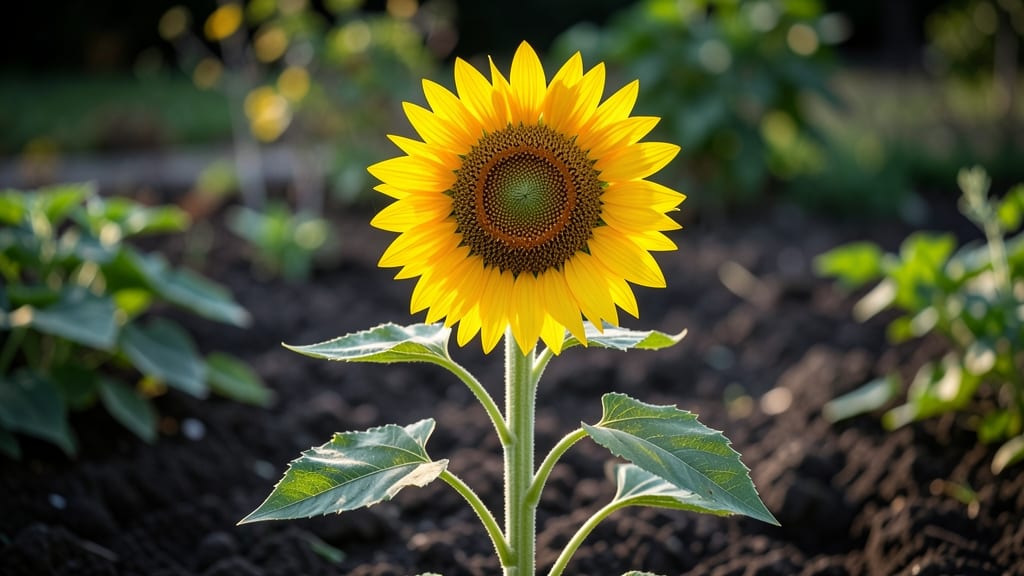
How many hours of sun do sunflowers need daily?
Sunflowers earned their name for a reason—they absolutely crave sunlight. While they can tolerate some shade, their growth rate and bloom size skyrocket when they receive the right amount of direct light.
Most sunflower varieties thrive with 6+ hours of sunlight daily, but the magic happens when they get 8-12 hours of full sun exposure. This isn't just about aesthetics; it's about photosynthesis efficiency, which directly impacts their towering heights and vibrant petals.
Think of sunlight as fuel for your sunflowers. Just like a car needs premium gas to reach top speeds, sunflowers need optimal light conditions to grow to their full potential. When they receive less than 6 hours of direct sunlight, you'll notice stunted growth, weak stems, and smaller blooms.
On the flip side, too much intense afternoon sun without proper hydration can cause stress. The key is finding that sweet spot where your sunflowers get plenty of light without overheating.
| Sunlight Requirement | Daily Hours Needed | Growth Impact | Ideal Varieties |
|---|---|---|---|
| Minimum Viable | 6 hours | Survival mode: slow growth, small blooms | Dwarf varieties (e.g., 'Teddy Bear') |
| Optimal Range | 8-12 hours | Max growth: 10+ ft tall, large blooms | Standard/giant (e.g., 'Mammoth', 'Russian Giant') |
| Maximum Tolerance | 12+ hours (with water) | Heat stress risk; needs extra water | All varieties (if properly hydrated) |
| Partial Shade Threshold | <4 hours | Leggy stems, no blooms, weak structure | Avoid (or use dwarf types) |
Here's how sunlight duration directly affects your sunflowers: Photosynthesis is the process where plants convert light energy into chemical energy. Sunflowers have large, broad leaves designed to capture maximum sunlight. When they get 8-12 hours of full sun, their chlorophyll production peaks, leading to faster growth and larger blooms.
For example, the 'Russian Giant' variety can reach 12-16 feet tall with optimal sunlight, while the same plant in partial shade might only grow to 3-5 feet with much smaller flowers.
Seasonal sunlight changes can also impact your sunflowers. In summer months, days are longer, providing natural 14-16 hours of daylight. While sunflowers can handle this, they'll need extra water to prevent heat stress.
Conversely, in early spring or late fall, shorter days mean less than 6 hours of sunlight. If planting during these times, choose dwarf varieties or supplement with a grow light to extend the daylight period.
The position of your sunflowers in the garden matters just as much as the duration of sunlight. Plant them in the southernmost part of your yard to maximize morning and afternoon sun exposure.
If your garden has obstructive trees or buildings, consider planting sunflowers along fences or trellises where they can lean toward the sun. Even a 1-2 hour difference in daily sunlight can result in noticeably different growth patterns between plants.
For container growers, sunlight requirements remain the same, but placement becomes even more critical. Place pots on patios, decks, or balconies that receive uninterrupted sunlight.
If using containers, ensure they're large enough to accommodate deep roots (at least 12 inches deep) and use lightweight potting mix to prevent overheating. Remember, sunflowers in containers dry out faster, so morning watering is essential to prevent wilting during peak sun hours.
One common misconception is that sunflowers can
Signs your sunflowers aren’t getting enough light (and how to fix it)
Sunflowers are sun-worshippers by nature, and when they don’t get enough light, they’ll show you in dramatic ways. Stunted growth is the most obvious clue—your towering sunflowers might stay dwarfed at just 1-2 feet tall instead of reaching their full 8-16 foot potential.
Even worse, their stems become weak and leggy, flopping over like overgrown noodles under their own weight.
Another dead giveaway? Small, pale blooms that lack the vibrant yellow hue you crave. Instead of 6-12 inch wide flowers, you might end up with tiny, green-tinged buds that never fully open.
These are all classic signs your sunflowers are light-deprived, struggling to photosynthesize enough energy to grow and bloom properly.
🌱
⚠️ Sunflower Light Requirements
Sunflowers need 6+ hours of direct sunlight daily for optimal growth. Here’s what happens when they don’t get enough:
- ❌ Stunted growth – Plants stay under 3 feet tall
- ❌ Weak stems – Flop over easily from lack of structural support
- ❌ Small blooms – Flowers under 4 inches wide with pale centers
- ❌ Leaf yellowing – Chlorosis from poor photosynthesis
Fix it fast: Move plants to full sun or supplement with grow lights for 12-16 hours daily.
If you’re growing sunflowers in containers, their roots may become root-bound due to limited space, which compounds light deprivation issues.
You’ll notice yellowing lower leaves first—this is your sunflower’s way of saying, “I’m starving for sunlight!” The plant redirects energy to keep the upper leaves alive, while the lower ones sacrifice themselves to survive.
For indoor growers, this becomes even more critical. Without natural light, sunflowers grown under grow lights may develop long, spindly stems (a condition called etiolation) as they stretch toward the light source.
Their leaves will also grow larger but thinner, lacking the thick, sturdy texture of sunflowers raised outdoors.
Here’s the good news: fixing light deprivation is easier than you think. Start by relocating your sunflowers to the sunniest spot in your garden—typically a south-facing area in the Northern Hemisphere.
If shade from trees or buildings is the issue, prune nearby foliage or install a reflective surface (like white paint on fences) to bounce extra light onto your plants.
For indoor sunflowers, invest in a full-spectrum grow light placed 6-12 inches above the plants. Run it for 14-16 hours daily to mimic summer sunlight. Rotate your plants quarter-turns every few days to prevent them from leaning toward the light source.
With these adjustments, you’ll see stronger stems, bigger blooms, and happier sunflowers in just a few weeks!
☀️