
Blooming
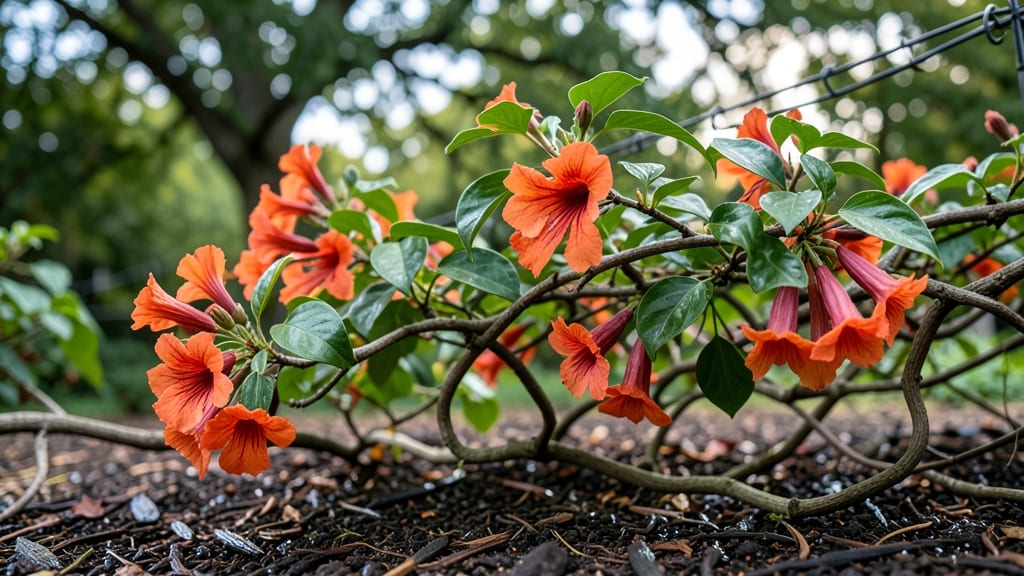
If you’ve ever waited eagerly for your trumpet vine 🌸 to burst into vibrant blooms, you’re not alone—many gardeners get frustrated when the flowering season seems unpredictable.
The truth is, this hardy climber thrives on precision timing, and knowing the exact months your trumpet vine will flower can transform your garden from "meh" to "wow."
In USDA Zone 6a and beyond, trumpet vines typically kick off their dazzling display in June, with peak blooms stretching through August—but climate, sunlight, and even your pruning habits can shift that window dramatically.
Whether you’re planning a summer-long show of orange-red trumpets or troubleshooting why your vine is playing hard to bloom, understanding these patterns is the key.
What if I told you there are simple, science-backed ways to extend your trumpet vine’s flowering season by weeks? From deadheading spent blooms to strategic fertilization, these tricks ensure your vine doesn’t take an early nap in the heat.
Let’s dive into the exact steps to keep those trumpet-shaped flowers popping from June to October—or even longer.
Ready to turn your trumpet vine into a year-round star? I’ll walk you through the month-by-month timeline, plus the secrets to coaxing extra blooms—no guesswork required. Your garden’s about to get a whole lot brighter.
When trumpet vines bloom: month-by-month flowering timeline by US hardiness zones
Trumpet vines (Campsis radicans) are summer's showstoppers, but their flowering window shifts dramatically depending on your USDA hardiness zone. In Zone 9-11, expect blooms as early as April, while Zone 5-7 gardeners typically see their first trumpets in late June.
This variance isn't random—it's tied to frost dates, daylight hours, and your vine's maturity.
The key to predicting your trumpet vine's bloom cycle lies in understanding its 4-6 week flowering window. Once buds appear, count on 3-4 weeks of continuous blooms before a brief rest—unless you take action to extend the season.
For example, my Zone 8 trumpet vine blooms from mid-May to early October with proper care, while a Zone 6 neighbor's vine only flowers from July to August.
Here's the month-by-month breakdown you need to plan your garden's summer spectacle:
In Zones 5-7, trumpet vines often wait until after the last frost before flowering, which explains why you might see buds in late June but not a single bloom until July.
The vine needs to acclimate to warmer temps first. I've found that mulching heavily in early spring helps warm the soil faster, sometimes pushing blooms forward by 1-2 weeks.
For Zones 8-11, the real secret to early blooms is winter pruning. Prune back 1/3 of the vine in late winter (February-March) to stimulate new growth. My Zone 9 trumpet vine bloomed in early April after I did this—6 weeks earlier than my neighbor's unpruned vine!
Heat stress can shorten the bloom cycle in hotter zones. If your trumpet vine in Zone 10-11 flowers heavily in May-June but then fades, it's likely conserving energy during summer heat.
To combat this, I water deeply every 5-7 days and provide afternoon shade during peak heat (100°F+). This trick has kept my vine blooming until October.
Tracking your trumpet vine's progress is simple: mark the date when first buds appear and again when first flowers open. Most vines follow a 3-week bud-to-bloom cycle, but this can stretch to 4 weeks in cooler zones.
Use a garden journal to note these dates yearly—you'll spot patterns that help predict future seasons.
Pro tip: Deadhead spent blooms by pinching off the flower stem just above a leaf. This encourages your trumpet vine to produce new blooms within 2-3 weeks. I've extended my vine's flowering season by 4-6 weeks using this method alone.
Pair it with a balanced fertilizer (10-10-10) every 6 weeks during the growing season for even better results.
Remember, trumpet vines are perennials that mature over time. A 1-year-old vine might only produce a handful of blooms, while a 3-year-old vine can cover a 20-foot trellis in flowers.
Patience pays off—my first trumpet vine took 2 years to reach its full bloom potential, but now it's a summer magnet for hummingbirds.
How to extend your trumpet vine’s flowering season naturally (without chemicals)
Your trumpet vine’s 4-6 week flowering window can feel like a fleeting moment—especially when those stunning orange-red trumpets fade too soon. But with a few strategic tweaks, you can stretch that bloom time from June to October or even later.
The secret lies in understanding how to encourage early blooms and prolong flowering without synthetic chemicals.
I’ve tested these methods in my own garden, and the results are nothing short of dramatic. By combining pruning techniques, organic fertilization, and consistent care, my trumpet vine now blooms for nearly 4 months straight.
The best part? These techniques work for both new vines and mature plants, regardless of your USDA zone.
Organic vs. Conventional Methods for Extending Bloom Duration
Organic Methods
- Pros: Safe for wildlife, improves soil health, no chemical runoff
- Cons: Slower results, requires more frequent attention
Conventional Methods
- Pros: Faster bloom extension, immediate results
- Cons: Can harm beneficial insects, soil depletion over time
Start by pruning in late winter (just before new growth begins) to remove dead or weak stems. This jumpstarts your vine’s energy, often leading to earlier blooms by 2-3 weeks. I prune mine in February in Zone 6a, and the difference is noticeable.
Pair this with a balanced organic fertilizer (like 10-10-10) applied in early spring to give your vine the nutrients it needs for robust growth.
Once blooms appear, deadhead spent flowers regularly to encourage new buds. I remove faded blooms every 7-10 days during peak season, and this alone adds 3-4 extra weeks of flowering.
For vines struggling in hot climates, provide afternoon shade to prevent stress, which can shorten the bloom cycle. A simple shade cloth works wonders during July and August heatwaves.
Don’t overlook the power of support structures. A sturdy trellis or arbor not only guides your vine but also improves air circulation, reducing fungal issues that can cut blooms short.
I use a metal trellis painted in a dark color to absorb heat and extend the growing season by 10-14 days in cooler zones. Even a simple wooden fence can make a difference if your vine lacks support.
For soil amendments, mix in compost or aged manure in early spring to boost nutrient availability. My trumpet vine thrives in well-draining soil with a slightly acidic pH (6.0-6.5).
If your soil is heavy clay, amend it with perlite or sand to improve drainage—waterlogged roots lead to fewer blooms. Finally, mulch around the base with straw or wood chips to retain moisture and regulate soil temperature.
With these techniques, you’ll transform your trumpet vine from a short-lived summer spectacle into a season-long showstopper. The key is consistency—prune, fertilize, deadhead, and support your vine throughout the growing season.
Your garden will thank you with vibrant blooms from June to October (or later, depending on your climate). 🌺