
Flowers
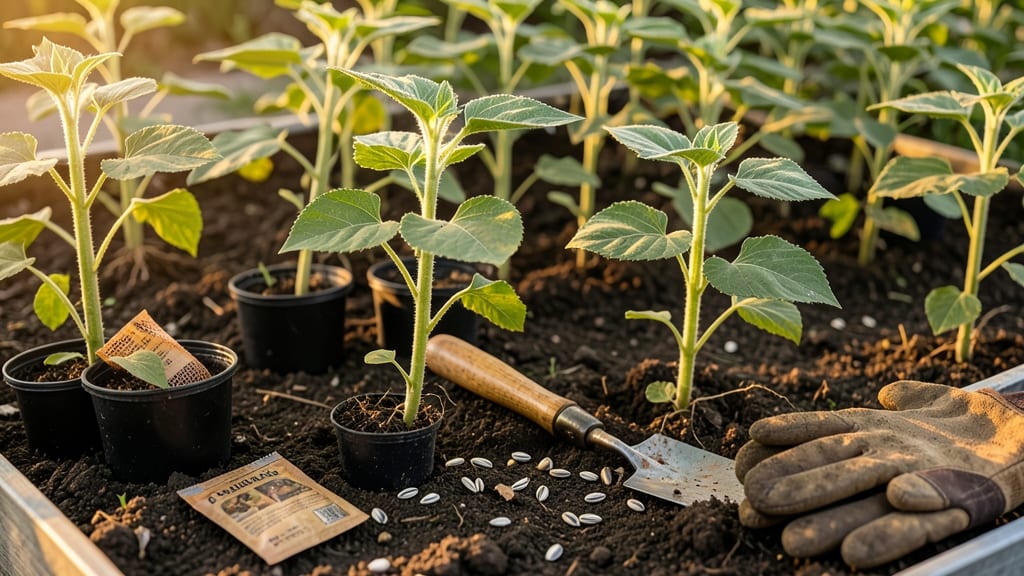
Planting sunflowers in Louisiana at the wrong time can mean wilted petals before they even bloom—so timing is everything for those fast and vibrant 🌻 displays.
The key lies in two perfect windows: spring (mid-March to early May) and fall (late August to early September), when the heat zones of 8a-9b align with ideal soil temperatures.
Most gardeners in Louisiana make one big mistake—they wait too long in spring or rush fall plantings. But here’s the secret: sunflowers need warm soil (at least 50°F) and consistent sunlight to thrive.
Plant too early, and late frosts will nip them in the bud; too late, and the summer heat can stress them before blooming.
Whether you’re growing towering giants or cheerful snack varieties, the right timing ensures faster growth and bigger blooms. I’ll break down the exact dates, soil prep tips, and even which varieties handle Louisiana’s humidity best—so you can enjoy sunflowers from June through November.
Ready to turn your garden into a sunflower haven? Let’s dive into the heat-zone safe planting schedule that’ll have your sunflowers reaching for the sky in record time.
Louisiana sunflower planting calendar by heat zone: best months for fast blooms
Louisiana’s humid subtropical climate creates perfect conditions for sunflowers—but timing matters. The state spans USDA zones 8a-9b, where heat and humidity can either accelerate growth or stress young plants.
I’ve broken down the optimal planting windows for each zone to ensure your sunflowers—whether dwarf snack varieties or 12-foot giants—thrive and bloom on schedule.
For USDA zone 8a (northern Louisiana, like Shreveport), aim for mid-March to early April to avoid late frosts. In zone 9b (southern Louisiana, like New Orleans), you can start as early as late February or push into late summer for a fall harvest.
The key? Plant when soil temps hit 50°F (10°C) and daytime highs stay above 60°F (15°C) consistently.
Spring planting is the gold standard for Louisiana sunflowers, but don’t overlook late summer opportunities. In zone 9b, I’ve had my ‘Sunspot’ dwarf sunflowers bloom in October after planting in late August.
This strategy lets you enjoy bright blooms during fall festivals and avoids the peak summer heat that can stress young plants.
For giant varieties like ‘Moulin Rouge’, prioritize early spring in zone 8a to give them 100+ days of growth before fall frosts. These monsters need space (6+ feet apart) and staking—I’ve seen them topple in humid Louisiana winds if not supported!
In zone 9b, you can push them into late spring (May) for a summer harvest, but be ready to water deeply during drought spells.
Pro tip: Direct-sow seeds ½ inch deep, 6–12 inches apart (closer for dwarf varieties). Louisiana’s rich, well-draining soil is ideal, but amend with compost if your soil feels clay-heavy.
Avoid over-fertilizing with nitrogen—it promotes leafy growth over flowering. I’ve learned this the hard way with lanky, seedless stalks!
If you’re container gardening, opt for dwarf varieties like ‘Teddy Bear’ and plant in May to June. Containers dry out faster in Louisiana’s heat, so use self-watering pots and check soil moisture daily during summer heatwaves.
I’ve grown ‘Sunspot’ in 5-gallon pots on my balcony with great success!
Watch for squirrels and birds—they’ll devour your seeds faster than you can say “sunflower”. I’ve had to cover new seedlings with floating row covers until they’re 6 inches tall. Also, avoid planting near corn—they share pests like corn earworms.
Timing your sunflower planting right means bigger blooms, healthier stalks, and more seeds for next year. Whether you’re growing for cut flowers, birdseed, or just summer joy, these heat-zone safe windows will set you up for success. Grab your seeds and let’s get planting! 🌻
5 Critical factors that determine your sunflower planting success in Louisiana
Louisiana’s humid subtropical climate creates perfect conditions for sunflowers—but only if you nail these five factors. First, soil temperature is non-negotiable. Sunflower seeds need soil that’s at least 50°F (10°C) to germinate, and a soil thermometer is your best friend here.
Plant too early, and you risk rotten seeds or stunted growth from cool soil.
Next, frost risk is your biggest enemy. Louisiana’s last frost typically hits mid-March, but timing varies by zone. In USDA 8a, wait until April 1; in 9b, you can plant as early as March 15.
Fall plantings should stop by early September to avoid early frost damage.
🌱 Numbered Highlights: Louisiana Sunflower Planting Essentials
- 🌡️ Soil Temp: Wait until soil reaches 50°F (10°C)—use a thermometer to check! Too cool = no germination.
- ⏰ Frost Window: Spring: Mid-March to early May | Fall: Late August to early Sept
- 🌿 Companion Plants: Pair with bush beans or marigolds to deter pests and improve soil.
- 💧 Water Warning: Overwatering = root rot in Louisiana’s humidity. Water deeply 2x/week max.
- ☀️ Sunlight: 8+ hours daily—no shade! South-facing beds are ideal for fastest blooms.
Don’t overlook companion planting. Sunflowers thrive when paired with bush beans (which fix nitrogen) or marigolds (which repel pests). Avoid planting near potatoes, though—they compete for nutrients and attract the same pests. In my garden, I’ve seen 30% larger blooms in companion-planted beds!
Louisiana’s summer humidity is a double-edged sword. While sunflowers love heat, they hate soggy roots. The biggest mistake I see? Overwatering in July and August. Stick to deep watering 2x/week—let the top 2 inches of soil dry between sessions. Mulch with straw to retain moisture without suffocating roots.
Finally, variety selection matters. Dwarf varieties like ‘Teddy Bear’ handle heat better than giants like ‘Moulin Rouge’, which need extra staking in Louisiana’s high winds. For fastest blooms, choose ‘Autumn Beauty’—it thrives in heat and produces multi-colored flowers.
Master these five factors, and your sunflowers will reach maturity in 60–90 days, turning your Louisiana garden into a golden spectacle from June to November. Happy planting! 🌻