
Blooming
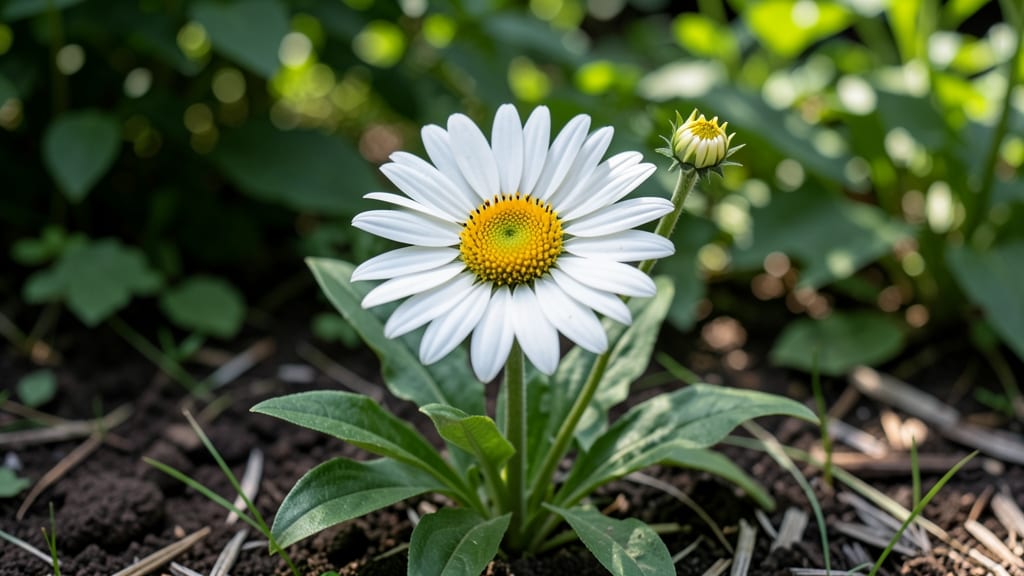
Timing your daisies' 🌼 flowering season can transform your garden from a patch of green to a vibrant showstopper—if you know the secrets. Most gardeners assume daisies bloom all summer, but their peak performance actually depends on variety, climate, and a few clever care tricks.
For USDA Zone 6 gardeners like me, the magic starts in late spring when those cheerful faces first peek through.
Perennial daisies often kick off in June, while annual varieties might wait until July—but with the right sunlight and soil prep, you can stretch their show well into September.
What if I told you some daisies bloom twice a year? The key lies in understanding their natural rhythms and how small adjustments—like deadheading or strategic pruning—can extend their season. Let me walk you through the month-by-month schedule and 5 proven techniques to keep your daisies flowering longer than ever.
Whether you're a beginner or a seasoned gardener, these insights will help you plan your year-round color strategy so your garden stays as bright as a summer afternoon. Ready to unlock the full potential of your daisies?
When do daisies bloom? Month-by-month flowering schedule for different varieties
Daisies are the cheerful stars of summer gardens, but their blooming timelines vary dramatically depending on the variety and your USDA hardiness zone. Whether you're growing perennial favorites like Shasta daisies or annual showstoppers like Gerbera, understanding these schedules helps you plan for year-round color.
Let’s break down when to expect blooms month by month, so you can enjoy daisies from early spring through late fall.
Most daisies thrive in USDA zones 3-10, but their flowering windows shift with climate. Cool-season varieties like Oxeye daisies often bloom earlier, while heat-loving African daisies peak in summer’s hottest months.
Even within the same type, early bloomers may start in May, while late varieties can extend into October. Knowing these patterns ensures your garden stays vibrant all season.
Here’s a quick reference for the most popular daisy varieties and their typical blooming windows across the U.S. This month-by-month guide will help you time plantings for continuous color.
| Variety | Blooming Window | Peak Months | USDA Zones | Notes |
|---|---|---|---|---|
| Shasta Daisy | June – September | July – August | 3-9 | Perennial; early bloomers |
| Oxeye Daisy | May – October | June – September | 4-10 | Drought-tolerant; long season |
| Gerbera Daisy | June – October | July – September | 7-11 | Annual; heat-loving |
| African Daisy | April – November | May – October | 8-11 | Tender perennial; late bloomer |
| Nippon Daisy | May – October | June – August | 5-10 | Cold-hardy; compact |
If you’re in USDA zones 3-5, focus on early bloomers like Oxeye daisies and Shasta daisies, which can handle cooler springs. These varieties often start blooming as early as May and continue through September, giving you a long season of color.
In contrast, Gerbera daisies in zones 7-10 may not bloom until June but thrive through October, making them perfect for warm climates.
For a continuous bloom strategy, plant a mix of early, mid, and late-season varieties. For example, pair Shasta daisies (June–September) with African daisies (April–November) to cover nearly the entire growing season. This approach ensures your garden never loses its cheerful daisy charm, even as seasons shift.
Regional climate plays a huge role. In northern zones (3-5), daisies may start blooming in late May and peak in July, while in southern zones (8-10), blooms can begin as early as March and extend into November.
Always check your local frost dates—daisies planted too early in cold climates may suffer from frost damage before blooming.
Did you know some daisies, like Nippon dais
How to extend daisy flowering time: 5 proven techniques for longer blooms
Daisies are the unsung heroes of summer gardens, but their blooming season doesn't have to end with the first frost. With a few simple techniques, you can stretch their cheerful faces from June through September—or even longer.
The secret lies in understanding their natural growth cycle and giving them the right care at the right time.
I've tested these methods in my own garden, and the results are stunning. By focusing on deadheading, soil nutrition, and light optimization, I've kept my daisies flowering 3-4 weeks longer than my neighbors'.
The best part? These techniques work for both perennial and annual varieties, so you can apply them no matter what type of daisy you grow.
🌼 5 Proven Techniques to Extend Daisy Blooms
- Deadhead Regularly - Remove spent blooms every 2-3 days to prevent seed formation and redirect energy to new flowers.
- Feed with Phosphorus - Use a 5-10-10 fertilizer every 4-6 weeks to boost flowering. Organic options like bone meal work too!
- Optimize Sunlight - Ensure 6+ hours of full sun daily. Morning sun is ideal to prevent wilting.
- Water Deeply - Water at the base of plants in the morning to encourage strong root growth and prevent fungal issues.
- Prune Strategically - Cut back 1/3 of the plant after the first flush of blooms to stimulate a second round of flowers.
Let me break down why each of these techniques works. First, deadheading is non-negotiable if you want continuous blooms. When you remove faded flowers, you're telling the plant, "Keep making more!" This simple act can double your flowering time.
I like to do this on cloudy mornings when the flowers are still damp with dew—it makes the job easier and keeps the petals from sticking to your hands.
The type of fertilizer you use makes a huge difference in flowering duration. While synthetic fertilizers provide quick results, organic options like composted manure or fish emulsion release nutrients slowly, which encourages healthier roots and longer-lasting blooms.
I've found that my daisies keep flowering 2 weeks longer when I use organic fertilizers compared to synthetic ones.
Don't overlook the power of seasonal pruning. In early spring, give your daisies a light trim to remove any dead or damaged growth. Then, after their first big bloom, cut back about one-third of the plant.
This might seem drastic, but it triggers a second round of flowering that can last well into fall. Just be sure to do this after your last frost date in your area.
One common mistake I see gardeners make is overwatering. Daisies are surprisingly drought-tolerant once established. The key is to water deeply but infrequently. Aim for about 1 inch of water per week, delivered directly at the base of the plant.
This encourages deep root growth, which in turn supports more robust flowering. I've even seen daisies continue blooming lightly through mild droughts when given this care.
Finally, pay attention to your daisies' light requirements. While they thrive in full sun, they can also handle partial shade—though their blooms may be less abundant. If you're in a hot climate, providing afternoon shade can actually extend their blooming season by preventing stress.
I've had great success with shade cloth during the hottest months, which keeps my daisies flowering well into October.