
Blooming
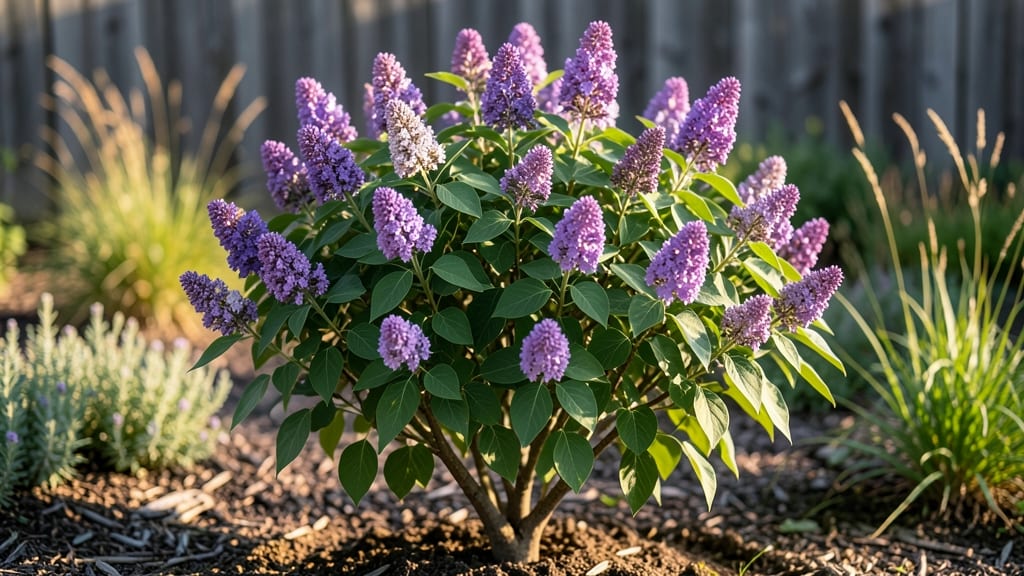
There's nothing quite like the moment when your garden bursts into fragrance with lilac flower blooming season—those sweet, intoxicating clusters that turn every walk through your yard into a sensory delight.
For those of us in USDA Zone 6a, timing is everything, because missing that window means waiting another year for nature's perfume to fill the air.
But here's the thing: not all lilacs bloom at the same time. Early varieties like Syringa meyeri might wake up as soon as late April, while latecomers like Syringa vulgaris could still be putting on their best show in early June.
The difference comes down to climate, sunlight, and even how you've cared for your shrubs over the years.
What if you could stretch that blooming window? I'll show you how to maximize fragrance with simple pruning tricks and companion plants that make your lilacs smell even stronger. Plus, we'll cover the signs of peak blooming—because not all flowers are created equal when it comes to scent intensity.
Whether you're planning your spring garden layout or just want to make the most of your existing lilacs, these insights will help you time everything perfectly. Let's dive into how to spot, extend, and enjoy your lilacs at their absolute best.
Lilac blooming season by variety: when each type peaks
Timing your garden visits around lilac blooms means catching their most fragrant moments. Different varieties burst into color at distinct times, with some blooming as early as late April and others lingering into early June. Understanding these windows helps you plan companion plantings and enjoy peak fragrance without delay.
Lilacs thrive in USDA zones 3-9, but their bloom timing shifts slightly based on your region. Warmer zones like zone 8-9 may see blooms 2-3 weeks earlier than cooler zones like zone 3-4. Always check local frost dates to anticipate bud swell and flowering.
Here’s how to plan around the three bloom categories: early, mid, and late-season lilacs. Each group offers unique fragrance profiles and garden benefits, from compact varieties for small spaces to towering specimens that anchor borders.
🌸
Early bloomers like Syringa meyeri (Palibin) are perfect for extending your fragrance season. Their light lemon scent
How to extend lilac blooming season: pruning, care, and fragrance tips
Your lilac blooming season doesn’t have to last just a few fleeting weeks. With the right care, you can stretch those fragrant clusters from early May into June—or even later. The key lies in understanding lilac growth habits and making small adjustments to pruning, soil, and watering.
I’ve learned that most gardeners miss out on extended blooms because they prune at the wrong time or overlook simple scent-boosting tricks.
First, let’s address the biggest myth: pruning lilacs after they bloom is actually the fastest way to shorten their season. If you cut back too late, you’re removing next year’s flower buds that form right after blooming.
Instead, time your pruning for late summer or early fall, when the plant has finished flowering and new buds are developing.
🌿 5 Pro Tips to Extend Lilac Blooms
- Prune in late summer: Cut back 1/3 of oldest stems after blooming to encourage new growth and next year’s buds.
- Feed in early spring: Use 10-10-10 fertilizer when buds swell—this fuels longer, more abundant blooms.
- Water deeply weekly: 1-2 gallons per shrub in morning sunlight prevents stress that shortens blooming.
- Plant near lavender: Companion plants like lavender or rosemary enhance lilac fragrance through shared scent compounds.
- Avoid over-mulching: Keep mulch 2-3 inches deep to prevent root suffocation that weakens blooms.
For maximum fragrance, focus on soil health. Lilacs thrive in well-draining, slightly alkaline soil (pH 6.5-7.5). If your soil is too acidic, amend it with lime or crushed oyster shell in early spring.
I’ve seen lilacs with dull, weak-smelling blooms transform into fragrant powerhouses after just one season of proper soil prep.
Don’t forget about watering schedules. Established lilacs are drought-tolerant, but consistent moisture during bud formation (late winter) and bloom time (spring) makes all the difference. Water deeply once weekly rather than shallow daily sessions. This encourages stronger root systems that support longer blooming periods.
To boost scent intensity, try these companion planting tricks: Place your lilacs near roses, peonies, or catmint. These plants share similar growing conditions and their combined fragrances create a more immersive garden experience.
I planted French lavender alongside my lilacs last year, and the scent became so rich I could smell it from my patio—even at night.
Finally, resist the urge to prune for shape during the blooming season. Save heavy pruning for late summer when the plant is done flowering. A little patience goes a long way—your lilacs will reward you with longer, more fragrant blooms year after year.
The secret isn’t complicated: it’s about working with nature’s timing rather than against it.