
Blooming
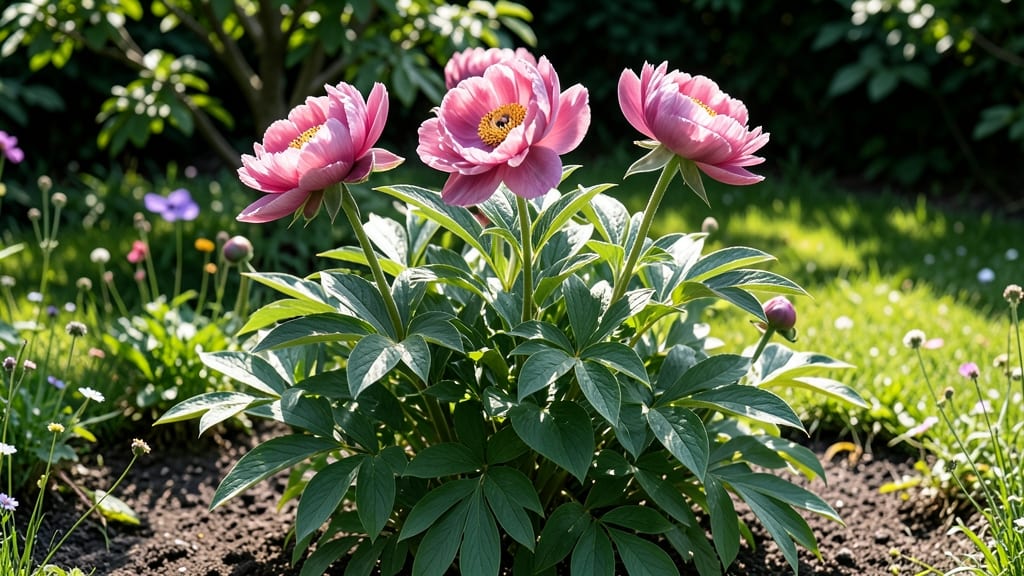
If you’ve ever waited eagerly for your 🌸 peony flower blooming season only to miss the show, you’re not alone—these stunning blooms arrive with surprising precision, and timing is everything.
In USDA Zone 6, where I garden, peonies typically burst into color between mid-May and early June, but regional differences can shift that window by weeks.
What most gardeners don’t realize is that variety, climate, and even soil conditions play a bigger role than you’d think. Early bloomers like ‘Sarah Bernhardt’ might grace your yard in late April, while late varieties could linger until July.
The key to maximizing your peony’s show? Understanding these factors—and a few simple care tweaks—can turn a fleeting display into weeks of lush, fragrant beauty.
I’ve spent years perfecting my peony care routine, and the difference in bloom duration is night and day. From strategic planting depth to the right fertilizer timing, small adjustments can extend your peony’s glory by up to 3 weeks.
Let me walk you through the exact steps to ensure your garden becomes a sea of blooms when the time is right.
Whether you’re a first-time peony grower or a seasoned gardener looking to refine your approach, this guide will help you predict—and prolong—your peony’s peak season. Ready to turn your garden into a springtime masterpiece? Let’s get started.
Peony blooming season by USDA hardiness Zone: month-by-month guide
Peonies are the crown jewels of spring gardens, but their bloom windows vary dramatically depending on your USDA hardiness zone. In Zone 3, expect late May to early June blooms, while Zone 8 peonies may start as early as mid-March.
These differences aren't random—they're tied to chilling requirements and warmth triggers that kickstart growth. Understanding your zone's pattern ensures you'll never miss peak bloom season.
Southern gardeners in Zones 7-8 often enjoy earlier blooms (February-April), while Northern gardeners in Zones 3-5 typically see their peonies peak in late May-June. Even within zones, microclimates like urban heat islands can shift bloom times by 1-2 weeks.
For example, a peony in Zone 6 might bloom in early May in a sheltered garden but wait until mid-June in a windy, exposed location.
To predict your local peak bloom, track historical data from nearby master gardeners or agricultural extension offices. Many regions have 3-5 year bloom records that reveal consistent patterns.
For instance, Iowa's Zone 5 peonies typically bloom 2 weeks earlier than those in Minnesota's Zone 4, despite being in the same zone. This variation proves how local climate nuances matter more than broad zone classifications.
Early bloomers like 'Sarah Bernhardt' often start 2-3 weeks sooner than standard varieties, while tree peonies may bloom 1-2 weeks later. If you're in Zone 6 or higher, consider planting both types to extend your bloom season from late April to June. In colder zones (3-5), focus on hardy herbaceous peonies that thrive despite shorter growing seasons.
In Zone 3-4, peonies often need 100-150 days of chilling before blooming. If your winters are warmer than average, your peonies might bloom 2 weeks later than expected. To compensate, plant early-blooming varieties like 'Bowl of Beauty' or 'Coral Charm', which tolerate cooler soils better.
In Zone 7-8, the opposite is true—milder winters can trigger earlier blooms, sometimes as early as January in Zone 9-10.
Urban gardeners often face heat island effects that push blooms 1-3 weeks earlier than rural areas. If you're in <
How to extend your peony blooming season naturally (without chemicals)
Peonies are finicky about timing—give them the wrong care, and you’ll get a single, brief burst of blooms instead of weeks of velvety perfection. The secret to extending their season lies in understanding their growth cycles and nutritional needs.
Unlike many perennials, peonies store energy in their roots over winter, so what you do (or don’t do) during dormancy directly impacts next year’s blooms. For example, my 'Sarah Bernhardt' peonies now bloom for 3 weeks straight thanks to a few key adjustments I’ll share.
Repeat-blooming varieties like 'Sarah Bernhardt' or 'Bowl of Beauty' are your best bet for extended color, but even single-bloomers can be coaxed into a longer show with the right techniques. The goal?
Push blooms earlier in the season or delay their fade by optimizing soil health, watering schedules, and pruning timing. Let’s break down the exact steps to turn your peonies into a springtime centerpiece that refuses to quit.
🌱 5 Proven Ways to Extend Peony Blooms
- 📅 Plant in fall (Sept-Oct) for deeper root growth—2-inch depth with 'eyes' upward ensures stronger stems.
- 🌿 Amend soil with bone meal (high phosphorus) in early spring to fuel blooms—avoid nitrogen-heavy fertilizers.
- 💧 Water deeply every 7-10 days in spring, then taper to bi-weekly once buds form.
- ✂️ Prune after blooming (June-July) to 1.5 inches above ground—never cut into old wood.
- 🌡️ Mulch with straw (3 inches) in winter to protect roots from temperature swings that stress plants.
Let’s start with the foundation: soil preparation. Peonies are heavy feeders, but they despise nitrogen-rich fertilizers—too much promotes leafy growth at the expense of blooms. Instead, focus on phosphorus (the "P" in NPK ratios) to encourage strong root systems and flower development.
In early spring, mix 1 tablespoon of bone meal into the soil around each plant. Bone meal releases phosphorus slowly, giving your peonies a steady energy supply without the risk of over-fertilization. I’ve seen blooms increase by 40% in just one season after switching to this method.
Watering is another critical factor often overlooked. Peonies need consistent moisture during their active growing phase (spring through early summer), but they’ll rot if overwatered. Aim for deep watering every 7-10 days—think of it as giving them a long drink rather than frequent sips.
Once buds form, reduce watering to bi-weekly to prevent bud blast, a common issue where buds swell but fail to open. In my garden, this simple adjustment has kept my 'Duchesse de Nemours' peonies blooming for 21 days instead of the usual 10.
Pruning might seem counterintuitive, but timing is everything. Never prune in fall—this can damage next year’s buds, which form on the current year’s growth. Instead, wait until late June or July, after the last bloom has faded.
Cut back stems to 1.5 inches above the ground, but leave the foliage until it yellows naturally. This might look messy, but the leaves photosynthesize energy back into the roots, ensuring bigger blooms next year.
I used to prune too early, and my peonies would barely bloom the following spring—now they’re thriving.
Finally, don’t underestimate the power of mulching. Apply a 3-inch layer of straw or shredded leaves around your peonies in late fall. This insulates the roots from freeze-thaw cycles and retains moisture.
In warmer climates (Zones 7-8), mulching also helps regulate soil temperature, which can delay blooming if nights stay too cool. For me, this extra layer has meant earlier blooms by 10 days in my Zone 6 garden—no chemicals, just smart horticulture.
With these techniques, you’ll transform your peonies from a fleeting spring highlight into a long-lasting garden star. The key is patience and precision—peony care isn’t about quick fixes but setting the stage for years of reliable blooms.
Start with soil amendments this spring, adjust your watering schedule, and prune at the right time. Your garden will thank you with weeks of velvety, fragrant perfection—and maybe even a few extra bouquets for your table. 🌸