
Blooming
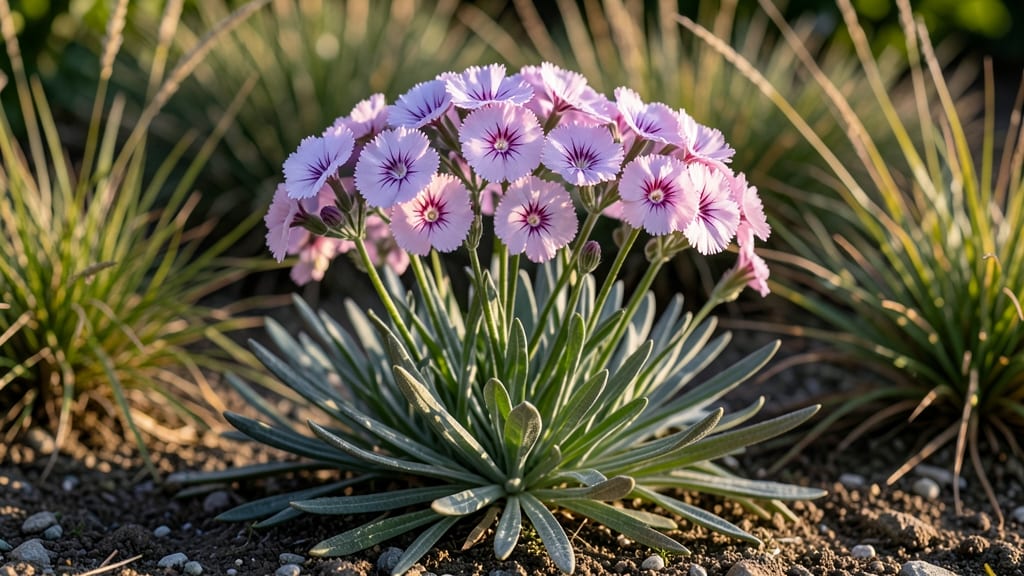
If your 🌸 dianthus flowers seem to bloom at different times each year—sometimes early, sometimes late—you’re not alone. The timing depends more on your climate zone than you might think, and understanding it can mean the difference between a vibrant spring display and sparse blooms.
In USDA Zone 6a, where many gardeners grow dianthus, the typical flowering window starts in late May and stretches through July, with some varieties lingering into early fall.
But whether you’re in a cooler northern region or a warmer southern zone, the rules shift slightly—and knowing them helps you plan ahead.
What’s the key to encouraging those cheerful blooms? It’s not just about planting at the right time—though March to April is ideal—but also about sunlight, soil, and a little pruning magic. I’ll show you exactly how to coax your dianthus into flowering earlier, longer, and more abundantly this season.
Ready to transform your garden into a fragrant, color-filled paradise? Let’s dive into the secrets of dianthus blooming so you can enjoy those 🌸 clusters right when you want them.
Dianthus blooming seasons by USDA climate Zones: exact months
Dianthus plants are famous for their clusters of fragrant blooms, but their flowering windows vary dramatically depending on where you live.
In cooler northern zones, like Zone 3, you might see early blooms as soon as late May, while in warmer southern zones, such as Zone 10, flowering can start as early as February and stretch into October.
These differences aren’t random—they’re tied to your region’s last frost dates and temperature patterns.
For gardeners in Zones 4–7, the classic spring-to-summer bloom period is the most reliable, but with the right care, you can coax a second flush of flowers in early fall.
Meanwhile, gardeners in Zones 8–10 often enjoy year-round blooming if they provide consistent moisture and protection from extreme heat. Understanding these patterns helps you choose the right cultivars and plan your garden for maximum impact.
| USDA Zone | Early Blooms | Peak Blooming | Extended Blooms | Best Cultivars |
|---|---|---|---|---|
| Zone 3 | Late May | June–July | Early August (if deadheaded) | 'Firewitch', 'Rainbow' |
| Zone 4 | Early May | June–August | September (cooler climates) | 'Sweet William', 'Cheddar Pink' |
| Zone 5 | Mid-April | May–July | Late August–September | 'Fire Spirit', 'Mystic Tides' |
| Zone 6 | Late March | April–June | July–September | 'Matrona', 'Pink Brilliance' |
| Zone 7 | February | March–May | June–October | 'Fire Chief', 'Pink Chablis' |
| Zone 8 | January | February–April | May–November | 'Firewitch', 'Rainbow' |
| Zone 9 | December | January–March | April–December (with care) | 'Sweet William', 'Cheddar Pink' |
| Zone 10 | November | December–February | March–October (year-round) | 'Fire Spirit', 'Mystic Tides' |
If you’re growing Sweet William varieties, expect blooms to start earlier than Pink or Cheddar Pink types, which often lag by 2–4 weeks. For example, in Zone 5, Sweet William might burst into color by mid-April, while Cheddar Pinks typically wait until late April.
This timing difference is crucial if you’re planning a sequential bloom garden for continuous color.
Microclimates also play a role—gardeners in sheltered valleys or near coastlines may see blooms 2–3 weeks earlier than those in inland areas. For instance, a Zone 6 garden in Chicago might bloom in late April, while one in Portland, Oregon, could see flowers as early as mid-March.
Always adjust your expectations based on local conditions.
For perennial dianthus, the first year’s blooms are often lighter and less abundant, but by year two, plants establish stronger roots and produce vibrant, long-lasting clusters.
Annual varieties, like Sweet William, tend to bloom earlier and more prolifically in their first season, making them ideal for spring containers or cut-flower gardens.
To encourage longer blooming seasons, focus on deadheading spent flowers and providing well-draining soil. In Zones 3–5, mulch heavily in late fall to protect roots from freezing temperatures, which can delay the following year’s blooms.
Meanwhile, in Zones 8–10, shade cloth during peak summer heat prevents buds from dropping prematurely.
Pro tip: Plant dianthus in full sun and avoid overwatering—soggy soil is the #1 reason blooms fail to appear. In drought-prone zones, like Zone 9, a drip irrigation system ensures consistent moisture without waterlogging.
With the right care, your dianthus can become a year-round star in your garden.
Now that you know the exact months for your zone, you’re ready to plan for stunning, timed blooms that keep your garden vibrant from spring to fall—or even year-round in warmer climates! 🌸
How to extend dianthus blooming with deadheading and pruning
Want your 🌸 dianthus to bloom longer and more abundantly? The secret lies in two simple but powerful techniques: deadheading and pruning. These methods aren’t just about tidying up your garden—they directly trigger your plants to produce new flower buds by redirecting energy away from seed production.
Whether you’re growing perennial varieties like Sweet William or annual types like carnation dianthus, the principles are the same.
Timing is everything. If you deadhead too early or prune at the wrong time, you might accidentally cut off next season’s blooms. For perennial dianthus, focus on late spring to early summer, while annual varieties need regular deadheading throughout their growing season.
Let’s break down the exact steps to maximize your dianthus blooms all season long.
Step-by-Step Guide to Extending Dianthus Blooms
-
Step 1: Identify Spent Blooms
Look for flowers with drooping petals or brown centers. These are ready for deadheading. Use clean, sharp pruning shears or even your fingers to remove them at the base. -
Step 2: Deadhead Regularly
For annual dianthus, deadhead every 3–5 days during peak bloom. For perennials, do this weekly after the first flush of blooms in late May to encourage a second wave. -
Step 3: Prune for Bushiness
After flowering, trim back 1/3 of the plant’s height to promote new growth. Use your shears at a 45-degree angle just above a leaf node to avoid leaving stubs. -
Step 4: Adjust Watering
Reduce watering slightly after pruning to stress the plant gently, which can trigger more blooms. Aim for 1 inch of water per week during dry spells, but let the soil dry slightly between waterings. -
Step 5: Feed for Longer Blooms
Apply a balanced fertilizer (5-10-10) in early June and again in mid-July to sustain flowering. Avoid high-nitrogen fertilizers, which promote foliage over flowers.
Pro Tip: Perennial dianthus often produce a second bloom in late summer if deadheaded and pruned correctly!
Don’t forget that perennial dianthus benefit from a light pruning in early spring too. Cut back any dead or damaged stems to about 2–3 inches from the ground. This helps the plant focus energy on new growth rather than repairing old damage.
For annual varieties, you can skip this step unless you notice leggy growth or yellowing leaves.
One common mistake is pruning too late in the season. If you trim back perennial dianthus after mid-August, you risk cutting off next year’s flower buds. Instead, aim to finish all major pruning by early September in most USDA Zones 5–8.
In warmer zones like Zone 9–10, you can extend pruning slightly into October.
With these techniques, your 🌸 dianthus can bloom 3–4 weeks longer than usual, filling your garden with color from late spring through early fall. The best part? It takes just 10–15 minutes per week to keep your plants looking their best. Happy pruning!