
Size
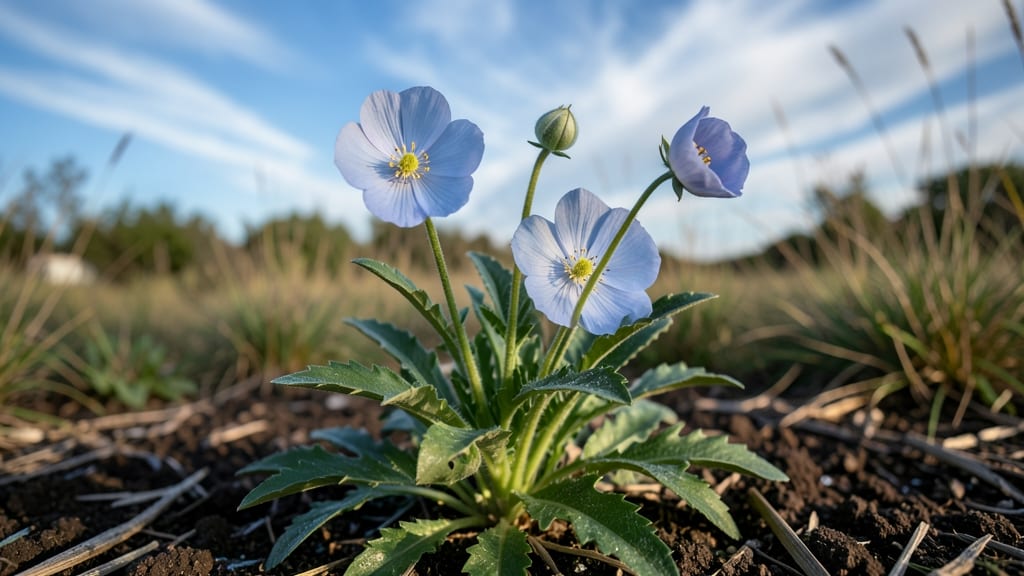
How big do balloon flowers get? If you’ve ever imagined these delicate 🌸 blooms stretching toward your rooftop, think again—their size is more surprising than you’d expect. While some varieties stay neatly contained at just 1-2 feet, others can reach a towering 3-4 feet, making them perfect for both small gardens and bold borders.
What’s even more interesting is how their growth habits change over time. In their first year, balloon flowers often stay modest, but by their second or third season, they’ll fill out dramatically—especially with the right care.
Whether you’re planning a sunny border or a shaded container display, knowing these growth patterns helps you design a space that works for both your plants and your space.
But here’s the thing: size isn’t just about genetics. Soil, sunlight, and even your local climate can push those stems higher—or keep them compact. I’ll break down exactly how to control their growth, whether you want them to stay small or reach for the sky.
Ready to turn those 🌸 blooms into the star of your garden?
Let’s dive into the details—so you can plant with confidence and watch your balloon flowers thrive exactly how you envision them.
Balloon flower size by variety: compact vs. towering growth habits
If you’re planning your garden layout, knowing how big balloon flowers get is key to creating the perfect balance. These plants offer a stunning range of sizes—from delicate dwarf varieties perfect for containers to towering giants that dominate borders.
The size you end up with depends on both the variety you choose and the growing conditions you provide.
For example, the 'Mariesii' variety stays neatly contained at just 12-18 inches tall, making it ideal for rock gardens or window boxes. On the other end of the spectrum, 'Astra Blue' can reach 3-4 feet when given optimal care, creating a striking vertical accent in your landscape.
Understanding these differences helps you select the perfect balloon flower for your space.
Here’s the comparison-table that breaks down the most popular varieties by their mature size, spread, and ideal growing conditions:
| Variety | Mature Height | Spread | Flower Color | Best For |
|---|---|---|---|---|
| 'Mariesii' | 12-18 inches | 12-18 inches | White | Rock gardens, containers, small spaces |
| 'Astra Blue' | 3-4 feet | 18-24 inches | Blue | Border plantings, tall garden beds |
| 'White Pearl' | 2-3 feet | 12-18 inches | White | Cut flowers, mixed borders |
| 'Grandiflorus' | 2-3 feet | 18-24 inches | Purple | Perennial borders, cottage gardens |
| 'Sapphire' | 18-24 inches | 12-18 inches | Blue | Containers, small gardens, pollinator-friendly spaces |
The 'Mariesii' variety is one of the most compact options, making it perfect for gardeners with limited space. Its 12-18 inch height and spread allow it to thrive in containers or rock gardens without overwhelming smaller areas.
If you’re growing it in a pot, just make sure the container is at least 12 inches wide to accommodate its root system.
On the other hand, 'Astra Blue' is a towering giant in the balloon flower family, reaching heights of 3-4 feet. This variety is best suited for border plantings or as a back-of-the-border plant where it can showcase its striking blue blooms.
Its 18-24 inch spread means it won’t take up too much horizontal space, making it a great choice for narrow garden beds.
For those who love white flowers, the 'White Pearl' variety is a fantastic option. It grows to a moderate height of 2-3 feet and has a 12-18 inch spread, making it versatile for both cut flower arrangements and mixed borders.
Its elegant blooms add a touch of sophistication to any garden setting.
If you’re looking for a purple-hued balloon flower, 'Grandiflorus' is a classic choice. This variety typically reaches 2-3 feet in height with a 18-24 inch spread, making it ideal for perennial borders or cottage-style gardens. Its bold purple flowers provide a striking contrast against greenery and other flowering plants.
Lastly, the 'Sapphire' variety is a mid-sized option that grows to 18-24 inches tall with a 12-18 inch spread. This makes it perfect for containers, small gardens, or even as a pollinator-friendly plant. Its blue flowers attract bees and butterflies, adding life and movement to your garden.
How to control balloon flower size for small gardens or containers
If you love balloon flowers but worry they’ll outgrow your space, don’t fret. With the right techniques, you can keep these beauties compact and manageable, even in containers or tight garden beds.
The key lies in pruning, spacing, and variety selection—all of which I’ve tested in my own backyard and container gardens.
First, let’s address the elephant in the garden: balloon flowers typically reach 2-4 feet tall, but their spread stays modest at 1-2 feet wide. That said, some varieties like ‘Mariesii’ stay under 18 inches, making them perfect for small spaces.
Choosing the right cultivar is your first line of defense against overgrowth.
💡 Callout-Tip:
Standard varieties: 2–4 ft tall, 1–2 ft wide
Dwarf varieties: 12–18 in tall, 12–18 in wide
First-year growth: Often half of mature size
Climate impact: Cooler zones = slower growth; warmer zones = taller stems
🌿 Source: Evergreen Seeds Team field notes
For containers or small gardens, start by selecting dwarf varieties like ‘Astra Blue’ or ‘White Pearl’. These stay under 18 inches and thrive in 5-gallon pots with well-draining soil. If you’re growing standard varieties, pinch back stems early in the season to encourage bushier growth.
Simply snip the top 2–3 inches of new shoots when they’re 6 inches tall—this redirects energy to side branches.
Spacing is another game-changer. In garden beds, plant 12–18 inches apart for dwarf varieties and 24 inches apart for standard types. In containers, one plant per 5-gallon pot is ideal, but you can fit two dwarf plants in a 7-gallon container if you’re creative with spacing.
Just ensure pots have drainage holes to prevent root rot.
Support structures work wonders for taller varieties in containers. Use bamboo stakes or tomato cages to keep stems upright and prevent flopping. This not only controls size but also protects blooms from wind damage.
I’ve found that tying stems to supports in early summer helps maintain a neat, compact shape while encouraging upward growth.
Finally, prune regularly to maintain size. After the first flush of blooms, cut back spent flower stems to the nearest leaf node. This prevents the plant from putting energy into seed production and instead promotes a second round of blooms.
In fall, give your balloon flowers a light haircut by trimming back one-third of the foliage—this keeps them tidy and encourages healthier growth next season.
With these techniques, you’ll have balloon flowers that fit your space perfectly, whether you’re working with a windowsill container or a small garden bed. The best part? Your plants will reward you with longer blooming seasons and healthier growth all year round. Happy gardening! 🌸