
Flowers
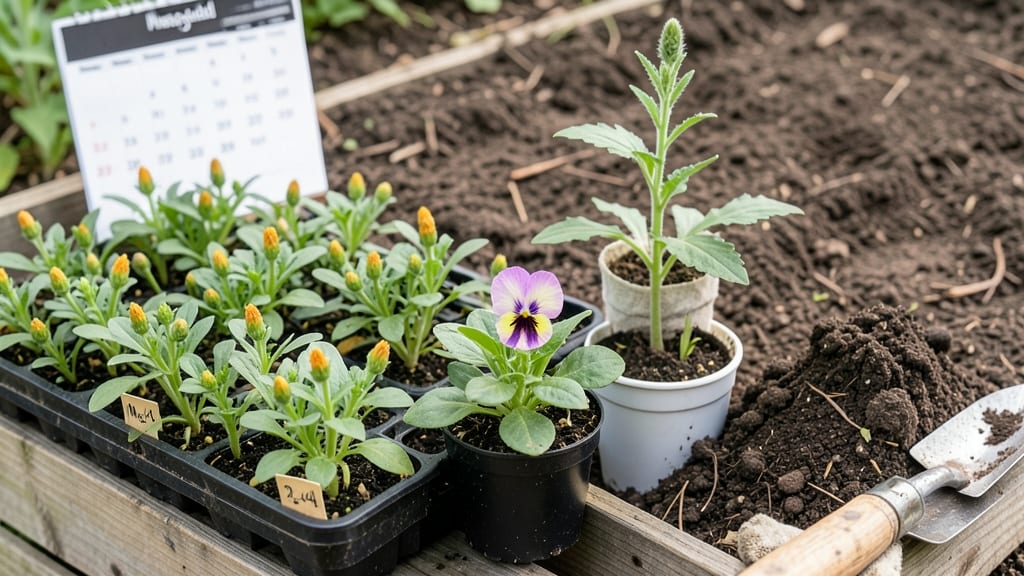
When can you start planting flowers in USDA Zone 6a to ensure a vibrant garden and avoid frost-nipped disappointments? Timing your flower planting just right means the difference between a thriving display of blooms and a sad pile of frost-damaged petals. In this zone, where spring arrives with cautious optimism, knowing the ideal planting window can save you from costly mistakes.
Most gardeners wait until after the last frost date—typically around April 15 in many regions—but the truth is more nuanced. Some flowers, like cold-hardy annuals, can handle a light frost, while others need the soil to warm to 60°F before they’ll thrive.
The key is balancing local frost charts with your specific flower types.
If you’ve ever rushed to plant only to watch your seedlings wilt in a surprise chill, you’re not alone. I’ll break down the exact windows for spring and fall planting, plus how to use frost-free day calculators to pinpoint your ideal start date. No more guesswork—just blooms.
Ready to transform your garden from "meh" to "wow"? Let’s dive into the science behind planting flowers at the perfect moment, so you can enjoy a season of color without the stress.


How to find your local frost dates by county (with interactive heat map)
Knowing your local frost dates is the secret to planting flowers at the perfect time. A late frost can kill tender seedlings, while planting too late may mean missed blooms. The key is understanding your last spring frost and first fall frost dates, which vary dramatically by county.
Let’s break down how to find these critical dates—and why they matter for your garden’s success.
Most gardeners rely on USDA Plant Hardiness Zone Maps and county-specific frost data to plan their planting schedule. These resources provide average frost dates, but remember: averages aren’t guarantees.
A 10% frost probability means there’s still a chance of frost, so always be prepared with row covers or cold frames for delicate flowers like petunias or geraniums.
For an instant visual reference, use our interactive heat map below. Simply click your county to see your last frost date, first frost date, and frost-free growing season length. This tool replaces guesswork with data-driven decisions, ensuring your annuals and perennials thrive.
| Region | Last Frost Date | First Frost Date | Frost-Free Days | Best Planting Window |
|---|---|---|---|---|
| Northern US (Zones 3-5) | May 1 - May 15 | September 15 - October 1 | 120-150 days | After May 15 (hardy annuals) |
| Midwest (Zones 5-7) | April 15 - April 30 | October 1 - October 15 | 165-190 days | After April 30 (warm-season flowers) |
| Southern US (Zones 8-10) | February 15 - March 15 | November 15 - December 1 | 240-300 days | After February 28 (year-round in Zones 9-10) |
| Pacific Northwest (Zones 7-9) | April 1 - April 15 | October 15 - November 1 | 180-210 days | After April 15 (cooler microclimates) |
To use this data effectively, start by checking your USDA Zone (find yours via the [USDA Interactive Map](https://planthardiness.ars.usda.gov)). Then, cross-reference with your county’s frost records from sources like the National Oceanic and Atmospheric Administration (NOAA) or local agricultural extensions.
For example, if you’re in Zone 6a with a last frost date of April 15, wait until May 1 to plant frost-sensitive flowers like impatiens or begonias.
Pro tip: Use a frost calendar from your state’s agricultural extension office. These often include 10-year averages and historical trends, giving you a clearer picture than generic zone maps.
For instance, Alabama’s last frost might average March 1, but some years it’s as late as March 20—so always plan for flexibility.
Adjust your planting timeline based on flower types. Cold-hardy annuals like pansies or snapdragons can handle light frosts, while tropical flowers like hibiscus or bougainvillea need to wait until all danger of
Best flowers to plant by early, mid, and late season timelines
Timing your flower planting is like choreographing a dance between frost dates and bloom cycles. In USDA Zone 6a, where I garden, early spring can still bring surprise frosts, while late summer heat can stress delicate blooms.
The key is matching your flower types—annuals vs. perennials—with the right planting window to maximize their potential.
Annuals like marigolds and petunias thrive when planted after the last frost, typically mid-April in my region, while hardy perennials such as daylilies and coneflowers can handle cooler soil temperatures. Southern climates may start earlier, but Northern gardeners must wait until soil warms to 60°F to avoid stunted growth.
🌱 Numbered Highlights: Planting Flowers by Season
- Early Season (March-April): Plant cold-hardy annuals like pansies and snapdragons under protective row covers. Perennials like lupines can go in once soil thaws.
- Mid-Season (May-June): Ideal for heat-loving annuals such as zinnias and geraniums. Transplant perennial seedlings like black-eyed Susans after danger of frost passes.
- Late Season (July-August): Focus on fall-blooming perennials like asters and sedum. Start cool-season annuals indoors for fall planting.
- Fall Planting (September-October): Plant bulbs like tulips 6-8 weeks before first frost. Biennials such as foxgloves can be sown in late summer for next year’s blooms.
For Southern climates, where winters are milder, you can extend planting into late fall, even for tender annuals like impatiens. Meanwhile, in Northern regions, prioritize frost-tolerant varieties such as stock flowers or sweet alyssum to push your season earlier.
Pro tip: Use a soil thermometer to confirm readiness—60°F is the magic number for most annuals. If your soil is cooler, opt for cold-hardy varieties or start seeds indoors under grow lights to jumpstart growth.
Don’t forget about succession planting! By staggering your plantings every 2-3 weeks, you’ll enjoy continuous blooms from spring through fall. For example, plant cosmos in early June for late-summer color, then follow up with mums in July for fall interest.
Remember, every garden is unique—adjust these timelines based on your microclimate and past frost experiences. With the right timing, your garden will burst with color, and you’ll avoid the heartbreak of frost-damaged blooms. Happy planting!