
Flowers
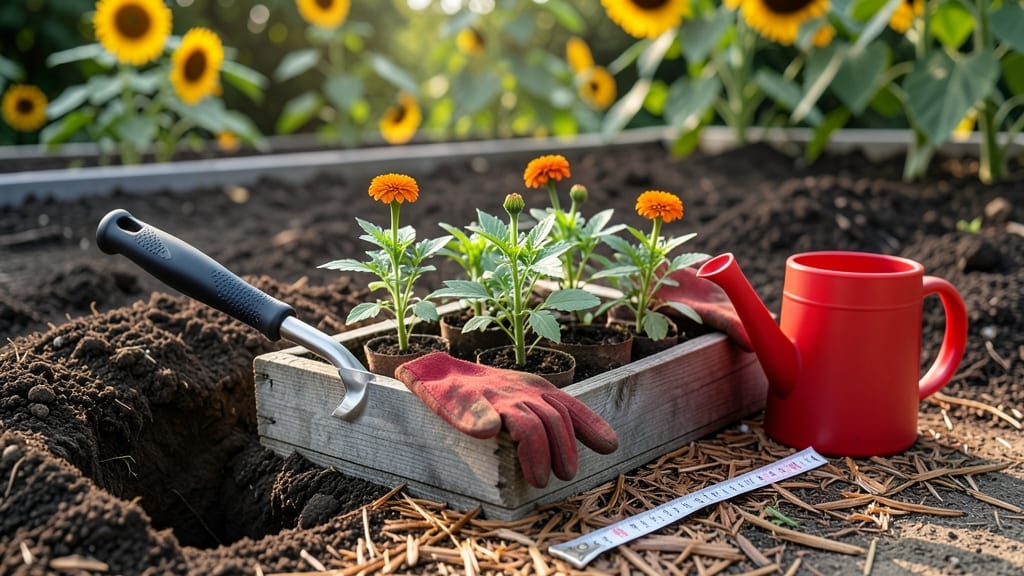
Planting flowers in the ground might seem simple, but getting the spacing and depth right is the key to keeping them healthy and vibrant. Too close or too deep, and you’ll end up with weak stems or stunted growth—no one wants that for their 🌸 garden.
I’ve learned that even experienced gardeners make mistakes here, like overcrowding plants or burying them too shallow. The good news? With a few easy steps, you can avoid these pitfalls and set your flowers up for success from day one.
In this guide, I’ll walk you through everything you need to know—from preparing the soil to planting at the perfect depth. You’ll discover how to space your flowers just right, whether you’re growing annuals, perennials, or bulbs, so they thrive all season long.
Ready to transform your yard into a blooming paradise? Let’s get started with the basics that make all the difference.
Perfect flower spacing and depth guidelines by plant type
Getting the spacing and planting depth right for your flowers isn't just about looks—it's about their long-term health. Crowded plants compete for nutrients and air circulation, while improper depth can stunt root growth or even kill seedlings.
The good news? Following science-backed guidelines for annuals, perennials, bulbs, and shrubs makes all the difference between a struggling garden and one that bursts with color year after year.
Most gardeners make two critical mistakes: planting too close together (which leads to overcrowding and disease) or burying plants too deep (which suffocates roots). The key is understanding each plant's mature size and root structure.
For example, a sunflower planted too close to a marigold will shade it out, while a tulip bulb planted too deep may never bloom. Let's break down the rules for each type so you can create a thriving, low-maintenance garden.
| Plant Type | Spacing (inches) | Planting Depth | Mature Height | Sunlight Needs |
|---|---|---|---|---|
| Annuals (e.g., Marigolds, Petunias, Zinnias) | 6-24" | Surface to 1" deep | 6"-36" | Full sun to partial shade |
| Perennials (e.g., Coneflowers, Lavender, Black-Eyed Susans) | 12-36" | Same depth as root ball | 12"-48" | Full sun to partial shade |
| Bulbs (e.g., Tulips, Daffodils, Hyacinths) | 3-6" | 2-3x bulb height | 6"-24" | Full sun to partial shade |
| Shrubs (e.g., Roses, Hydrangeas, Butterfly Bush) | 3-10 feet | Same as root ball depth | 3'-12' tall | Full sun to full shade |
| Climbing Plants (e.g., Clematis, Morning Glories) | 12-24" from trellis | 1" deep | 6'-20' tall | Full sun to partial shade |
Pro Tip: Always check the plant tag for specific spacing/depth guidelines—some varieties have unique needs!
For annuals, like marigolds or zinnias, spacing is all about giving them room to spread without competing. Plant them 6-12 inches apart for smaller varieties and up to 24 inches apart for larger blooms like sunflowers.
The rule of thumb is to space them according to their mature width, not their current size. If you're unsure, err on the side of more space—you can always fill gaps later with smaller flowers.
When it comes to perennials, like coneflowers or lavender, proper spacing ensures they don’t outgrow their spot in 2-3 years. A 12-inch spacing for dwarf varieties and up to 36 inches for larger perennials like black-eyed Susans gives roots room to establish deeply.
Dig holes twice as wide as the root ball but only as deep as the plant was growing in its container. This prevents burying the stem, which can cause rot.
Bulbs like tulips and daffodils are trickier because their depth affects whether they’ll bloom next year. Plant them 2-3 times deeper than their height—so a 2-inch bulb goes 4-6 inches deep. Space them 3-6 inches apart to prevent overcrowding, which can lead to fewer or smaller blooms. A great trick is to plant bulbs in layers: larger ones at the bottom and smaller ones on top for a continuous display.
Shrubs, such as roses or hydrangeas, need the most consideration because they’re long-term investments. Space them according to their mature width, which is often listed on the tag. For example, a 3-foot-wide hydrange
Step-by-step flower planting process for beginners
Planting flowers in the ground is easier than you think, but the secret to success lies in the details—like soil prep, hole depth, and proper spacing.
I’ve planted hundreds of flowers over the years, and these small steps make the biggest difference between a wilted mess and a show-stopping garden. Let’s break it down into simple, foolproof actions you can follow even on your first try.
Before you grab your trowel, remember: healthy soil is your foundation. Flowers need loose, nutrient-rich dirt to grow strong roots. If your soil feels compacted or dry, take 10 minutes to loosen it with a fork or shovel.
Mix in a 2-inch layer of compost to give your plants the nutrients they crave right from the start.
🌱 Your Foolproof Flower Planting Checklist
- 1 Choose the right time: Plant annuals after the last frost (typically mid-April in most zones) and perennials in early spring or fall for best root establishment.
- 2 Dig holes twice as wide as the root ball but only as deep as the plant’s container. Use a trowel for small flowers or a spade for larger plants.
- 3 Loosen roots gently if they’re circling in the pot. For bulbs, plant the pointy end up at a depth of 2-3 times their height (e.g., tulips go 6-8 inches deep).
- 4 Space plants according to their mature size: Dwarf marigolds need 6 inches apart, while sunflowers require 18-24 inches. Check the plant tag for exact spacing!
- 5 Backfill with soil and press lightly to remove air pockets. Water immediately to settle the roots and remove any gaps.
- 6 Add mulch (2-3 inches) around the base to retain moisture and suppress weeds. Keep mulch 2 inches away from stems to prevent rot.
- 7 Water deeply every 2-3 days for the first 2 weeks, then adjust based on rainfall. Morning watering prevents fungal diseases by letting foliage dry before nightfall.
One of the most common mistakes I see is planting too deep, which can suffocate roots and lead to weak stems. Always check the plant tag for depth guidelines—most flowers should sit at the same level they were in their container.
If you bury the stem too much, the plant may rot before it even gets a chance to bloom.
After planting, give your flowers a weekly check-up for the first month. Look for signs of stress like yellowing leaves (could mean overwatering) or wilting (a sign of underwatering). Most flowers need 1 inch of water per week, but adjust based on your climate.
In hot, dry areas, you might need to water every 2-3 days until they’re established.
Finally, don’t forget that mulch is your best friend after planting. It keeps soil moist, regulates temperature, and blocks weeds—saving you time and effort. Just remember to avoid piling mulch against stems, as this can trap moisture and cause rot.
A 2-inch layer around the base (not touching the plant) is perfect.
With these steps, your flowers will thrive from day one. The key is patience—give them time to adjust to their new home, and soon you’ll be rewarded with vibrant blooms that last all season. Happy planting! 🌷