
Plants
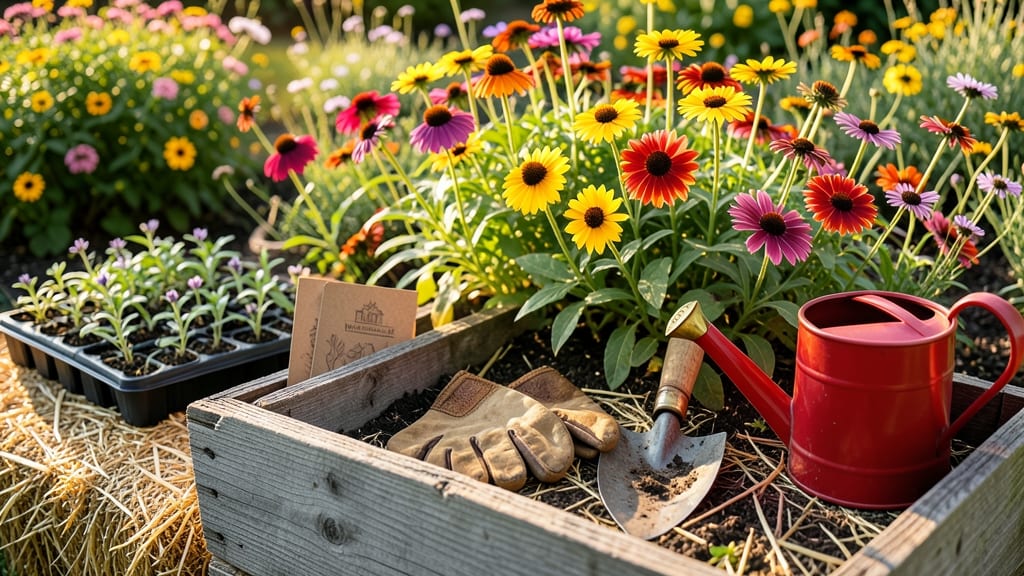
Planting wildflower seeds in Illinois at the wrong time could mean waiting another year for that burst of 🌼 color you crave.
The key to success in USDA Zone 5 isn't just about throwing seeds in the ground—it's about understanding when the soil warms, when frost lingers, and how to work with Illinois' unpredictable spring weather.
Most gardeners assume spring is the only chance to plant, but fall offers a smarter window for wildflowers to establish roots before winter. I've learned the hard way that timing matters more than you'd think—especially when dealing with Illinois' late frosts that can wipe out tender seedlings overnight.
In this guide, I'll break down exactly when to plant for maximum blooms, whether you're sowing in March or September. We'll cover soil prep tricks for Illinois' clay-heavy soils and which native species thrive best in your local microclimate.
Ready to turn your yard into a pollinator paradise? Let's get those wildflowers growing on schedule—no more missed opportunities or wasted seed packets.
Best planting windows for Illinois wildflowers: fall vs spring timing explained
Timing is everything when planting wildflower seeds in Illinois, where USDA Zone 5 conditions bring unpredictable frost dates and variable rainfall. I’ve learned that planting too early or too late can leave your seeds vulnerable to soil erosion, drought stress, or even winterkill.
The key is understanding when soil temperatures and moisture align with seed germination needs.
Most Illinois gardeners focus on two main planting windows: early spring and fall. Each has distinct advantages. Spring planting gives seeds a head start, while fall planting allows them to establish roots before winter.
But which is better for your specific wildflower mix? Let’s break down the optimal timing, soil conditions, and regional considerations to help you decide.
Comparison Table: Spring vs. Fall Planting for Illinois Wildflowers
For spring planting, aim to sow seeds as soon as the soil reaches 45°F (7°C)—typically mid-March to early April in most of Illinois. This gives seeds time to germinate before the last average frost date (around April 15).
However, I’ve seen late frosts push this back to mid-April, so always check your local frost-free date.
Fall planting, on the other hand, offers a quieter competition from weeds and takes advantage of natural autumn rains. The ideal window is September to early October, when soil temperatures remain warm enough for germination but cool enough to prevent dormancy issues.
Seeds sown too late may not establish roots before winter, while early sowing risks premature germination.
One of my biggest lessons? Soil moisture is just as critical as timing. Illinois’ clay-heavy soils can dry out quickly in spring or become waterlogged in fall. Always water lightly after planting to ensure seed-to-soil contact, then rely on mulch (like straw) to retain moisture.
For drought-prone areas, consider planting in fall when rainfall is more reliable.
Native wildflowers like black-eyed Susan and purple coneflower thrive with fall planting, while annuals like cosmos do better in spring. If you’re unsure, I recommend a split planting strategy: sow half in spring and half in fall for a longer bloom season.
This approach also reduces the risk of total crop failure if one season underperforms.
Don’t overlook microclimates in Illinois. Northern regions (like Chicago) have shorter growing seasons, while southern areas (like St. Louis) can extend spring planting until mid-April.
Always adjust your timing based on your specific location and elevation. For example, higher elevations may need seeds planted 2-3 weeks later to avoid frost.
Pro tip: Use a soil thermometer to monitor temperatures. Seeds need consistent warmth (above 50°F/10°C) to germinate. If your soil is too cold, wait a few days—rushing can lead to poor germination rates. Patience here pays off with healthier, hardier plants.
Finally, align your planting with natural rainfall patterns. Illinois typically sees higher precipitation in spring and fall, which is perfect for seedling establishment. If you’re planting in dry conditions, supplement with light, frequent watering (about ¼ inch per week) until seeds sprout.
Overwatering can cause seed rot, so always let the top inch of soil dry between waterings.
With the right timing, your Illinois wildflower meadow can burst into color from early summer to fall. Start with small test plots to refine your approach, and soon you’ll have a self-sustaining ecosystem that requires minimal maintenance. Happy planting! 🌼
How to prepare Illinois soil for wildflower seed success: a step-by-step guide
Illinois' clay-heavy soils and unpredictable frost patterns can make wildflower gardening challenging, but with the right prep, you'll create the perfect foundation for native pollinator plants to thrive. The key is loosening compacted soil while preserving its natural structure—wildflowers need good drainage but hate disturbed roots.
Start by testing your soil's pH level (aim for 6.0-7.0). Illinois soils often lean acidic, and wildflowers like black-eyed Susans and coneflowers prefer slightly alkaline conditions. If needed, add lime in fall or wood ash in spring to adjust pH gradually.
Most gardeners skip this critical step: weed suppression before planting. Illinois' late spring weeds like garlic mustard can outcompete wildflower seedlings. Use a mulch blanket of straw or cardboard to smother weeds while improving soil as it breaks down.
Clear & Loosen Soil
Remove existing vegetation and loosen top 4-6 inches of soil with a broadfork or tiller. Avoid deep tilling—wildflowers rely on natural soil structure for long-term success.
Amend with Compost
Work in 2-3 inches of compost or well-rotted manure to improve drainage and fertility. Illinois' clay holds moisture too well—compost helps prevent waterlogging.
Choose Cover Crops
Plant clover or alfalfa in fall to prevent erosion and add nitrogen. These cover crops also suppress weeds naturally while improving soil structure over winter.
Create Microclimates
For rocky areas, use rock mulch to create warm microclimates where seeds can germinate earlier. This is especially helpful in northern Illinois where spring arrives late.
Final Soil Prep
Rake the surface lightly to create a fine seedbed (no clumps larger than a dime). For clay soils, add sand or perlite to improve drainage without disrupting the soil's natural composition.
After preparing your soil, consider using a seed starter mix for the first planting. Mix equal parts of your prepared soil with sand and peat moss to create an ideal germination medium. This blend helps prevent soil crusting—a common issue in Illinois' heavy rains.
Remember: Less is more when amending soil. Wildflowers are adapted to lean conditions, and over-fertilizing can lead to weak stems and fewer blooms. Focus on improving drainage and reducing competition—your wildflowers will reward you with years of color with minimal maintenance.
Once your soil is ready, you're just weeks away from a pollinator-friendly meadow that thrives on Illinois' unique growing conditions. The key is patience—wildflowers establish slowly but become self-sustaining once they take hold.