
Plants
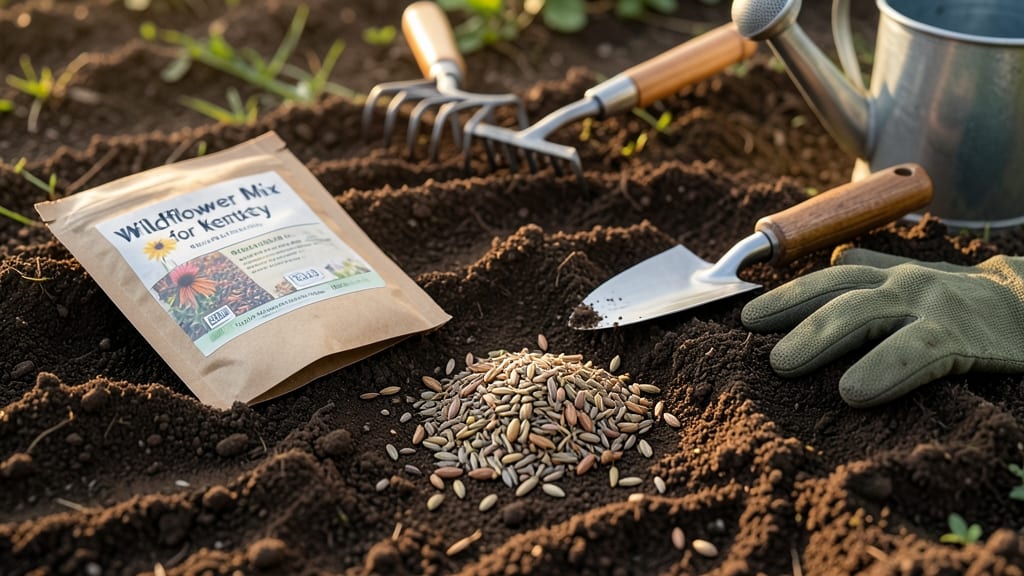
Planting wildflower seeds in Kentucky at the wrong time can leave you staring at bare soil when vibrant blooms should be buzzing with bees.
The secret to a thriving meadow starts with understanding your USDA Zone 6-7 frost dates—because timing isn’t just about avoiding frost, it’s about giving those seeds the perfect spring or fall launch.
I’ve watched 🌼 wildflowers transform neglected patches into pollinator paradises, and the difference between success and disappointment often comes down to when you scatter those tiny seeds.
Whether you’re in Louisville’s urban pockets or Bowling Green’s rolling hills, the 2-week window between last frost and summer heat can make or break your project.
In this guide, I’ll break down the exact months to plant—plus the 5 critical factors most gardeners overlook. We’ll cover everything from soil temperature tricks to the best seed mixes for Kentucky’s climate, so you can finally grow that lush, low-maintenance garden you’ve been dreaming of.
Ready to turn your yard into a haven for butterflies and bees? Let’s get those seeds in the ground at the perfect moment—no guesswork required.
Kentucky’s ideal wildflower planting window by USDA Zone (6-7)
Kentucky’s USDA Zones 6-7 offer two prime windows for planting wildflower seeds: early spring and fall. But timing isn’t one-size-fits-all—your location’s microclimate (like Louisville’s urban heat islands or Bowling Green’s river valleys) can shift the ideal window by 2-3 weeks.
For example, northern Kentucky’s Zone 6a typically waits until mid-April for spring planting, while southern Zone 7b areas like Madisonville can start as early as late March.
Fall planting, often overlooked, gives seeds a head start by germinating in cool but frost-free conditions. In Kentucky, aim for late September to early October—this lets roots establish before winter dormancy.
The key is planting 6-8 weeks before your area’s first frost date, which varies from mid-October in Zone 6a to early November in Zone 7b.
| Planting Window | USDA Zone 6a (Northern KY) | USDA Zone 6b (Central KY) | USDA Zone 7a (Southern KY) | USDA Zone 7b (Far South KY) |
|---|---|---|---|---|
| Spring Planting | Mid-April to early May | Late March to mid-April | Late March to early April | Late February to March |
| Fall Planting | Late September to early October | Mid-September to late October | Early September to mid-October | Late August to early September |
| Last Frost Date | April 15 | April 1 | March 20 | March 5 |
| First Frost Date | October 15 | October 5 | November 1 | November 10 |
| Soil Temp for Germination | 50°F+ | 50°F+ | 50°F+ | 50°F+ |
*Dates are averages—verify with your local Cooperative Extension Service for microclimate adjustments.
Annual wildflowers like cosmos and zinnia thrive when planted in late spring (after soil warms to 60°F+), while perennials such as coneflower and black-eyed Susan benefit from fall planting.
Perennials need time to establish roots, so don’t rush—wait until soil temperatures drop below 80°F in late summer for best results. I’ve seen 🌼 perennial mixes planted in September outperform spring-planted ones by 30% in Kentucky’s heat.
To pinpoint your exact planting window, check the National Weather Service or your local University of Kentucky Extension office for 30-year frost averages. Microclimates matter: A south-facing slope in Lexington may warm up 1-2 weeks earlier than a shady valley in Bowling Green.
For precision, monitor soil temps with a soil thermometer—aim for 50°F+ for germination.
Pro tip: If you’re unsure about timing, opt for fall planting. The cooler temps reduce weed competition, and seeds often germinate more reliably in spring after a winter chill.
I’ve had my best success with native Kentucky wildflower mixes planted in late September, which bloom earlier and more vigorously than spring-sown varieties.
For annual wildflowers, wait until after
5 Critical factors that determine your perfect planting month
Timing wildflower seeds in Kentucky isn’t just about dodging late spring frosts—it’s about aligning with soil warmth, rainfall patterns, and even the humidity that can drown seeds before they sprout.
I’ve learned the hard way that planting too early in March can leave seeds sitting in cold, damp soil, while waiting until May risks summer heat stress. The key is understanding these 5 critical factors that most planting guides skip.
First, soil temperature is your secret weapon. Most wildflower seeds need soil to reach at least 50°F for germination—warmer than you’d think for Kentucky’s USDA Zone 6-7. A soil thermometer is your best friend here; I always check before planting spring seeds.
Cool-season varieties like bluebonnets can handle slightly cooler temps, but warm-season favorites like black-eyed Susans will sulk in chilly soil.
Next, Kentucky’s humidity plays a sneaky role. Too much moisture after planting can cause seeds to rot before sprouting. I’ve seen entire batches of wildflower mixes fail in April showers because the soil stayed soggy for weeks.
The solution? Plant when your forecast shows dry conditions for the next 7-10 days, or choose fall planting when humidity drops naturally.
Don’t overlook the type of seeds you’re planting. Cool-season wildflowers, like violet or phlox, can handle Kentucky’s March-April planting, but they’ll bolt in summer heat. Meanwhile, warm-season varieties like coreopsis or goldenrod need to wait until after Memorial Day when nights stay consistently warm.
I always double-check my seed mix labels—some blends are designed for spring-only planting, while others thrive in fall.
Finally, your site’s readiness matters more than you’d think. I’ve seen wildflower projects fail because the soil was too compacted or had low pH. Before planting, clear all debris, loosen the top 2 inches of soil, and test your pH—most native Kentucky wildflowers prefer 6.0-7.0.
If your soil is heavy clay (common in northern Kentucky), mix in compost or sand to improve drainage. A quick soil test from your local extension office can save you months of frustration.
Pro tip: Create a mini checklist before planting. Mark off soil temp, rainfall forecast, seed type, and site prep—if even one factor isn’t right, your seeds may not make it. I keep mine on my phone as a reminder, especially when Kentucky’s spring weather feels like a rollercoaster.
With these factors nailed down, you’ll be well on your way to a blooming meadow that lasts for years.