
Flowers
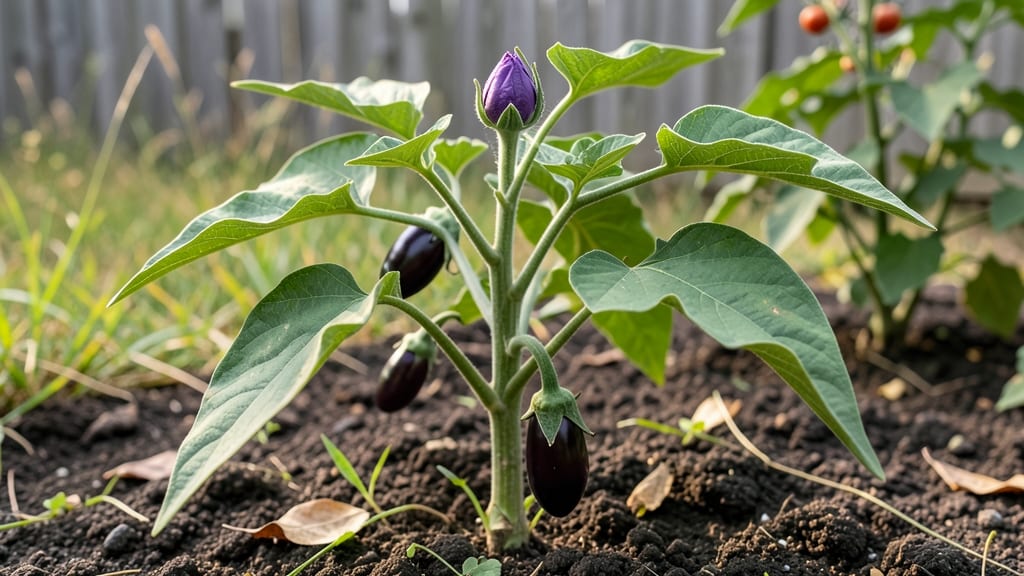
If your eggplant flower buds keep falling off before they even bloom, you're not alone—this frustrating problem affects gardeners in USDA Zone 6a and beyond. That first glimpse of a 🍆 bud turning brown and dropping is heartbreaking, especially after all the effort you've put into growing these finicky plants.
What you might not realize is that this isn't just about watering or sunlight—it's often a combination of factors working against your plants. From temperature swings to poor pollination, understanding these hidden triggers is the key to saving your buds and finally getting those plump eggplants you've been dreaming of.
I've spent years troubleshooting this exact issue, and what I'm about to share will help you identify why your buds are dropping and how to create the perfect conditions for them to thrive. Let's turn those lost buds into a bountiful harvest.
We'll cover everything from hand-pollination techniques to soil secrets that make all the difference. By the end, you'll know exactly what your eggplants need to stop wasting their energy on buds—and start producing fruit instead.
5 Common reasons eggplant flower buds fall off (and how to fix them)
Eggplant flower buds dropping before they bloom is frustrating—especially when you’ve invested time and care into growing these heat-loving plants. The issue often stems from environmental stress, nutritional imbalances, or poor pollination. Understanding these 5 common causes and their fixes can turn your struggling plants into productive eggplant producers.
First, it’s crucial to recognize that eggplants are sensitive to temperature fluctuations and soil conditions. Even minor shifts can cause buds to abort. For example, daytime temps above 90°F (32°C) or nighttime dips below 55°F (13°C) trigger bud drop.
Let’s explore each cause and the actionable solutions to save your buds.
Bud drop occurs when temps exceed 90°F (32°C) or drop below 55°F (13°C). Use shade cloth or mulch to stabilize soil temps.
Lack of bees or wind causes buds to drop. Hand-pollinate with a small brush or gently shake plants in the morning.
Low calcium or boron causes buds to abort. Apply egg shells or a balanced fertilizer (10-10-10) every 4-6 weeks.
Inconsistent moisture stresses roots. Water deeply every 3-5 days and ensure well-draining soil to prevent root rot.
Aphids, mites, or fungal infections weaken plants. Use neem oil or insecticidal soap and remove affected buds immediately.
Let’s tackle temperature stress first, as it’s the most common culprit in warm climates. Eggplants thrive in 75-85°F (24-29°C) ranges. If your garden hits 90°F+ (32°C+) regularly, buds will drop like clockwork.
My solution? Install 30-50% shade cloth during peak afternoon heat. This keeps soil temps cooler and reduces stress on the plant.
For poor pollination, nature often fails eggplants because their flowers are self-pollinating but inefficient. If you notice buds forming but no fruit, it’s time to hand-pollinate. Grab a small paintbrush, gently open a flower, and brush the stamens against the pistil.
Do this in the morning when flowers are fresh. Pro tip: Repeat every 2-3 days for best results.
Nutrient deficiencies, especially calcium and boron, are sneaky culprits. Eggplants need these minerals to set fruit. I’ve had success with crushed eggshells (for calcium) worked into the soil before planting. For boron, a foliar spray with borax solution (1 tsp per gallon of water) can work wonders.
Always test your soil first—deficiencies show up as blossom end rot or bud drop.
Watering issues often fly under the radar. Eggplants hate wet feet but also drought stress. The key is consistent moisture. Water deeply every 3-5 days, aiming for 1-2 inches of water per week.
Use a moisture meter to check soil levels—eggplants prefer 60-70% soil moisture. Mulching with straw helps retain moisture and keeps roots cool.
Finally, pests and diseases can silently sabotage your eggplants. Aphids, spider mites, and fungal infections like powdery mildew weaken plants, causing buds to drop. I recommend a weekly inspection of leaves and stems.
If you spot pests, spray with neem oil or insecticidal soap. For fungal issues, improve airflow with pruning and avoid overhead watering.
By addressing these 5 common issues, you’ll see a dramatic improvement in your eggplant’s fruit set. Start with temperature control and pollination, then fine-tune nutrients and watering. Your garden will thank you with a bountiful harvest of glossy, healthy eggplants this season! 🌱
How to hand-pollinate eggplants for maximum fruit set
When your eggplant plants produce beautiful flower buds but fail to set fruit, it’s often because natural pollinators like bees aren’t doing their job. Eggplants are self-pollinating, but they need a little help when conditions—like cool weather or lack of bees—keep fruit from forming.
Hand-pollination is a simple, effective solution that can double your yield with minimal effort.
I’ve found that the best time to pollinate is in the early morning when flowers are fully open and pollen is fresh. All you need are a few basic tools and a gentle touch.
This method works especially well for gardeners in USDA Zone 6a or cooler climates where bees are less active. Let’s walk through the exact steps to ensure your eggplants go from buds to plump, ready-to-harvest fruits.
Step-by-Step Guide to Hand-Pollinating Eggplant Flower Buds
-
Step 1: Choose the Right Flowers
Select fully open eggplant flowers (usually white or lavender) with visible stamens (the yellow pollen-covered parts). Avoid wilted or damaged blooms. -
Step 2: Gather Your Tools
You’ll need a soft paintbrush (or cotton swab) and a small bowl to collect pollen. A magnifying glass helps if your eyes aren’t what they used to be! -
Step 3: Collect Pollen
Gently tap the stamens of one flower over the bowl to release pollen. Alternatively, rub the stamens onto the brush to pick up pollen. -
Step 4: Transfer Pollen
Dip the brush into the pollen or brush it directly onto the stigma (the green, cone-shaped center) of another flower. Repeat for 3–5 flowers per plant for best results. -
Step 5: Repeat Daily
Pollinate every 2–3 days during peak flowering (usually June–August in Zone 6a). Focus on flowers that appear healthy and haven’t been pollinated yet. -
Step 6: Watch for Success
Successful pollination means the flower will wilt and drop within 24–48 hours, and a small fruit bump will form where the flower was.
One common mistake I see is skipping the stigma entirely—make sure you’re transferring pollen to the center of the flower, not just brushing the petals. Another tip? If your eggplants are in containers, place them near a window where you can easily monitor and pollinate flowers daily.
After pollinating, keep an eye out for fruit set. A healthy eggplant should develop a firm, glossy fruit within 10–14 days. If you notice buds dropping after pollination, it might be due to temperature stress (eggplants thrive in 75–85°F) or overcrowding.
Thin out excess fruits to 1–2 per plant to avoid stressing the plant.
With consistent hand-pollination, you’ll see a noticeable difference in your harvest. I’ve had years where my eggplants produced three times more fruit just by dedicating 10 minutes a day to this simple task. The key is patience and attention to detail—your future eggplant harvest will thank you! 🍆