
Plants
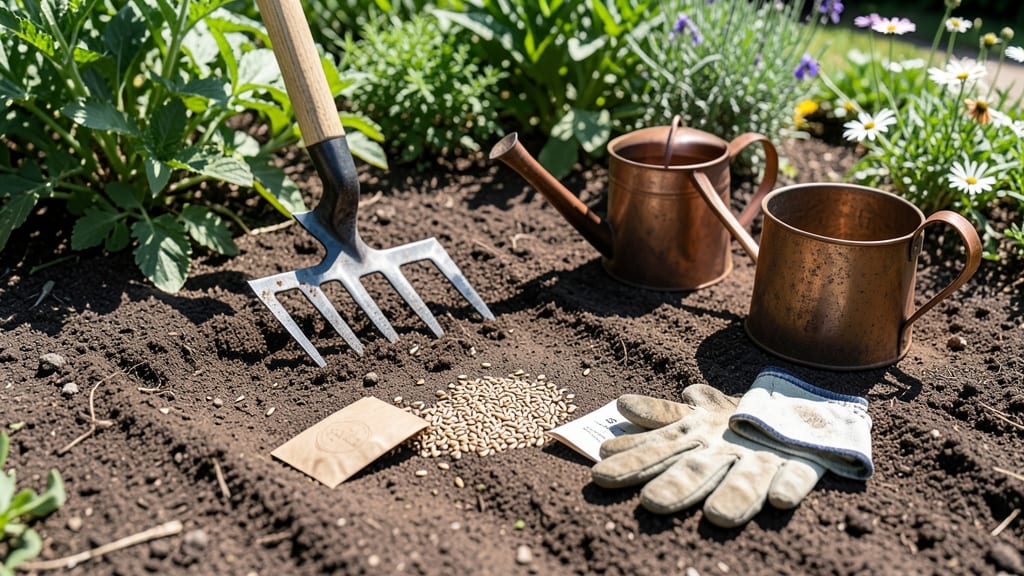
Planting wildflower seeds in Texas at the wrong time can mean waiting another year for those iconic bluebonnets and black-eyed Susans to burst into color.
The key to success lies in understanding your region’s heat zone—whether you’re in frost-prone North Texas or the nearly frost-free Rio Grande Valley—because timing directly impacts germination and survival.
Fall planting (September–November) is my top recommendation for most Texans, as cooler temperatures and winter rains create perfect conditions for seeds to establish roots before summer’s brutal heat arrives. This strategy works especially well in zones 6a–8b, where frost can still pose a threat to tender seedlings.
But if you’re in the 9a–10a South Texas zone, spring planting (February–April) often yields better results, avoiding the monsoon season’s potential seed washout.
Why does this matter? Wildflowers like 🌼 Indian paintbrush and Mexican feathergrass thrive when planted in their optimal window, saving you time, water, and frustration. I’ll walk you through the exact steps—from soil prep to watering schedules—to ensure your seeds take root and flourish, even in Texas’ unpredictable climate.
Let’s get those blooms growing!
Whether you’re a first-time planter or a seasoned gardener, mastering these timing tricks will transform your landscape into a vibrant, low-maintenance oasis. Ready to skip the guesswork and start planting with confidence? Let’s dive into the best months for your specific Texas heat zone.
Texas wildflower planting calendar by heat zone: best months for zero-frost success
Texas wildflowers thrive when planted at the right time—especially since the Lone Star State’s extreme heat and unpredictable frost dates can make or break your blooms. The key is understanding your USDA heat zone (6a–10a) and planting during cooler months when seeds germinate easily.
In North Texas (zones 6a–7b), frost can hit as early as November 15, while South Texas (zones 9a–10a) rarely sees frost before December 1. This means your planting window shifts dramatically depending on where you live.
For zero-frost success, focus on fall planting (September–November) for spring blooms or early spring (February–March) for summer color. Cold-hardy annuals like bluebonnets and wild indigo need a 60-day head start before last frost, while tender perennials like black-eyed Susans can handle late spring sowing.
Let’s break down the best months for each Texas heat zone to ensure your wildflowers beat the heat—and the frost.
🌱 Pro Tip: Always check your local last frost date (use the Texas A&M AgriLife Extension map) and adjust by 4–6 weeks for optimal germination.
In North Texas (zones 6a–7b), where frost can strike as early as November 15, prioritize fall planting (September–October) for spring blooms. Seeds like bluebonnets and wild indigo need cool soil temps (60–70°F) to germinate, so avoid planting in summer heat.
If you miss fall, February–March is your next best shot—just be ready to protect seedlings with frost cloth if late frosts hit.
For Central Texas (zones 7b–8a), including Austin and San Antonio, October–November is ideal for fall planting, while March works for spring. The Hill Country (zones 8b–9a) has a slightly longer window—November for fall or February–March for spring—thanks to milder winters.
Here, black-eyed Susans and salvias thrive with minimal frost risk after January 15.
Down in South Texas (zones 9a–10a), frost is rare, so you can plant year-round with best results in December–January (fall) or March–April (spring). Varieties like Turk’s Cap and Mexican Hat love the heat and drought conditions, making them perfect for low-water landscapes.
In the Rio Grande Valley (zone 10a), treat wildflowers like annuals—plant in January–February for spring color or April for summer blooms.
🌡️ Heat Zone Hack: Use a soil thermometer to confirm temps are below 80°F before planting—seeds won’t germinate in Texas summer heat. If you’re in doubt, fall planting always wins
How to prep wildflower seeds for Texas’ brutal heat: soil, watering, and sunlight secrets
Texas wildflower seeds need special prep to survive the state’s alkaline soils and intense heat. Unlike cooler climates, our native species like bluebonnets and Indian paintbrush often have hard seed coats that resist germination without proper treatment.
I’ve learned the hard way that skipping these steps means seeds either rot or sprout too late for spring blooms. The key is preparing your seeds, soil, and planting site to create the perfect conditions for success.
First, test your soil’s pH—most Texas wildflowers prefer slightly acidic to neutral (6.0–7.0), but our native soils often lean alkaline (7.5–8.5). If your test shows pH above 7.5, amend with peat moss or sulfur to lower it gradually.
This adjustment is critical because alkaline soil can lock out essential nutrients, stunting seedling growth before they even emerge. I always add a 1-inch layer of compost to improve drainage and moisture retention, which is especially important during Texas’ dry spells.
Next, tackle the hard seed coat challenge. Many Texas wildflower seeds, including lupines and coreopsis, have tough outer layers that block water absorption. To break this barrier, I use a technique called scarification.
For small batches, rub seeds between two sheets of sandpaper or gently nick them with a sharp knife. For larger quantities, soak seeds in warm water for 24 hours before planting—this mimics natural weathering and triggers germination. Always rinse and dry seeds afterward to prevent rot.
- Test Soil pH: Use a kit to check alkalinity. Amend with peat moss if pH >7.5. Aim for 6.0–7.0 for optimal germination.
- Scarify Seeds: Rub between sandpaper or soak in warm water for 24 hours to break hard coats. Rinse and dry.
- Prep Planting Site: Clear debris, loosen top 2 inches of soil, and mix in compost for nutrients.
- Watering Schedule: Keep soil moist but not soggy for first 2 weeks. Water deeply every 3–5 days in fall/spring.
- Sunlight Trick: For shade-sensitive varieties like Indian paintbrush, plant in morning sun with afternoon shade to prevent wilting.
Once your seeds and soil are ready, focus on the watering schedule to avoid seed rot—a common pitfall in Texas’ humidity. After planting, keep the soil consistently moist but never waterlogged.
I use a gentle mist setting on my hose or a watering can with a fine rose to avoid displacing seeds. For the first 2 weeks, check soil moisture daily—it should feel like a damp sponge.
After that, reduce to every 3–5 days in fall or spring, adjusting for rainfall. Overwatering is just as harmful as underwatering, especially in our heavy clay soils.
Sunlight exposure is another critical factor, particularly for shade-sensitive varieties like Indian paintbrush or Mexican hat. While most Texas wildflowers thrive in full sun (6+ hours daily), some species wilt under the harsh afternoon sun common in South Texas.
To work around this, I plant shade-loving varieties on the north or east side of structures where they receive morning sun but escape the intense afternoon heat. For container gardens, place pots near a south-facing window or use lightweight shade cloth (30%) during peak heat (12 PM–4 PM).
Finally, don’t overlook the power of mulching. After seeds sprout, apply a thin layer (1/4 inch) of straw or wood chips to retain moisture and regulate soil temperature. This is especially important in Zone 9a–10a, where summer heat can dry out seedlings in days.
Mulch also suppresses weeds, reducing competition for your wildflowers. I’ve seen firsthand how this simple step can mean the difference between a thriving meadow and a struggling garden.
With these prep steps, your wildflower seeds will have the best chance to establish strong roots before Texas’ summer heat kicks in. Remember, patience is key—some species like bluebonnets may take 2–3 weeks to germinate, while others like coreopsis sprout in just 7–10 days.
Keep an eye on your garden and adjust care as needed. Before you know it, you’ll have a vibrant, low-maintenance wildflower display that attracts pollinators and brings color to your landscape for years to come. 🌼