
Flowers
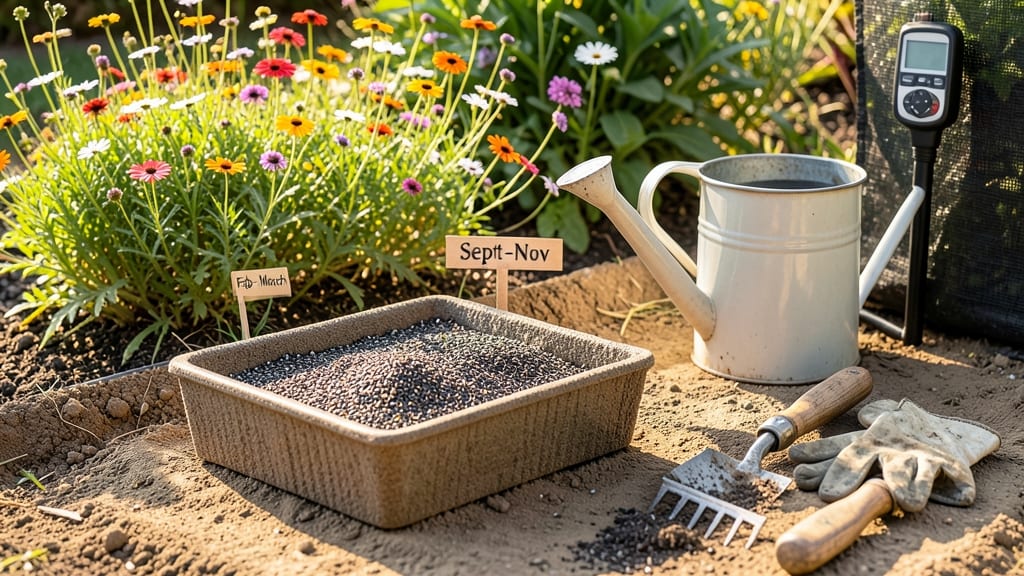
When to plant wildflowers in Florida just right means the difference between a garden bursting with color and seeds that never take root. The rainy season—those steamy summer months—holds the secret to fast, vibrant blooms, but planting too early or late can leave your wildflowers struggling against Florida’s heat and humidity.
I’ve tested the best windows for planting wildflowers across Florida’s zones, and what I’ve learned will save you from wasted effort. Whether you’re in the 8a-11 regions or along the coast, the key is understanding how rainfall, temperature, and soil moisture work together to give your wildflowers the best start.
Fall and early spring are the classic choices, but the rainy season (June–September) can actually be your game-changer—if you know the tricks.
I’ll walk you through the exact timing, soil prep, and even which native species thrive when planted during Florida’s wettest months, so you can enjoy blooms year-round without the guesswork.
Ready to transform your garden into a wildflower paradise? Let’s dive into the fastest way to get those seeds sprouting and blooming, no matter where you are in the Sunshine State.
Florida’s best wildflower planting windows by season (rainy vs. dry)
Florida’s wildflower success hinges on timing—especially the rainy season (June–September), when natural moisture and humidity create ideal conditions. Planting at the right time means faster germination, healthier roots, and vibrant blooms that last through Florida’s unpredictable climate.
Coastal areas benefit from higher humidity, while inland regions need extra moisture prep.
For North Florida (USDA Zones 8a–9a), aim for late August–September to avoid summer’s scorching heat, while South Florida (Zones 10a–11) can plant year-round but thrives with June–July sowing. The key? Soil moisture and temperature balance—too dry, and seeds struggle; too hot, and they overheat.
Here’s how Florida’s two distinct seasons shape your planting strategy: the rainy season (June–September) offers natural irrigation, while the dry season (October–May) demands manual watering and soil prep. Coastal areas also experience salt spray and higher winds, requiring sturdier species.
In North Florida, where frost risk lingers in winter, plant perennials like Black-Eyed Susans in late summer to establish roots before cold snaps. South Florida, however, can sow annuals like Cosmos year-round, but June–July yields the most lush blooms with minimal effort.
For coastal gardens, prioritize salt-tolerant varieties like Sea Oats or Beach Morning Glory, which handle salt spray and sandy soil. Inland areas should focus on deep-rooted natives like Blanket Flower to conserve water.
Always test soil pH—Florida’s sandy soil often needs compost or organic matter to retain moisture.
Pro tip: Pre-soak seeds for 24 hours before planting in dry season to boost germination rates. Use drip irrigation or soaker hoses to mimic rainy season moisture without overwatering. Avoid planting during hurricane season (June–November)
If you’re in Central Florida, split your planting: June–July for summer bloomers and September–October for fall/winter color. This staggered approach ensures continuous blooms and reduces competition for resources. Always mulch lightly to lock in moisture—critical in Florida’s sandy, fast-draining soil. Remember, Florida’s microclimates vary wildly. A 5-mile drive inland can mean 10°F cooler nights or lower humidity. Check local weather patterns and adjust your planting 2–4 weeks earlier if your area gets early rains. The goal? Sync seeds with soil moisture—not the calendar. For maximum impact, pair wildflowers with native grasses like Muha Grass to stabilize soil and attract pollinators. These pairings thrive in Florida’s humid heat and sandy soil, creating a low-maintenance ecosystem. Start small—even a 5x5-foot patch of Coreopsis or Mexican Sunflower will burst with color with the right timing. 🌧️🌼
Top 5 wildflower species for Florida’s rainy season planting
Florida’s rainy season (June–September) is the perfect time to plant wildflowers that thrive with minimal care and burst into color. These native species love the humidity and occasional downpours, making them ideal for low-maintenance gardens.
I’ve selected five fast-growing, drought-tolerant varieties that will flourish with the right timing and soil prep.
Timing is everything—planting too early risks heat stress, while waiting too late can leave seeds washed away by summer storms. The key is to sow seeds just as the rainy season kicks off, around late May to early June, when soil moisture is high but temperatures aren’t yet extreme.
This ensures your wildflowers establish roots quickly before the peak heat arrives.
Here’s my curated list of the top 5 wildflowers for Florida’s rainy season, complete with their ideal planting windows, bloom cycles, and why they’re perfect for your garden:
Bloom Cycle: Summer to fall
Why It Thrives: Drought-tolerant, attracts pollinators, and blooms for months with minimal care.
Bloom Cycle: Late summer to frost
Why It Thrives: Handles Florida’s heat and humidity, self-seeds easily, and comes in vibrant yellows and oranges.
Bloom Cycle: Summer through winter (with occasional rain)
Why It Thrives: Native to Florida, thrives in poor soil, and blooms in fiery reds and yellows.
Bloom Cycle: Late summer to early fall
Why It Thrives: Essential for monarch butterflies, drought-resistant, and thrives in sandy Florida soil.
Bloom Cycle: Late summer to frost
Why It Thrives: Native ground cover, fixes nitrogen in soil, and blooms in cheerful yellow.
Each of these wildflowers is a Florida-friendly choice, meaning they require little water once established and support local ecosystems. For example, Butterfly Milkweed is a must-have for pollinator gardens, while Blanket Flower adds a pop of color that lasts well into the cooler months.
The key to success? Plant them during the rainy season when nature does the watering for you!
Once your wildflowers are planted, resist the urge to overwater—they’re designed to thrive on Florida’s natural rainfall. A light mulch layer (like pine straw) will help retain moisture and keep weeds at bay.
Within weeks, you’ll see vibrant blooms that attract bees, butterflies, and hummingbirds, turning your garden into a lively ecosystem.
Ready to try these rainy-season wildflowers in your garden? Grab a handful of seeds, prepare your soil, and let Florida’s magic do the rest. Your garden will thank you with a year-round display of color and life—no matter how unpredictable the weather gets.