
Flowers
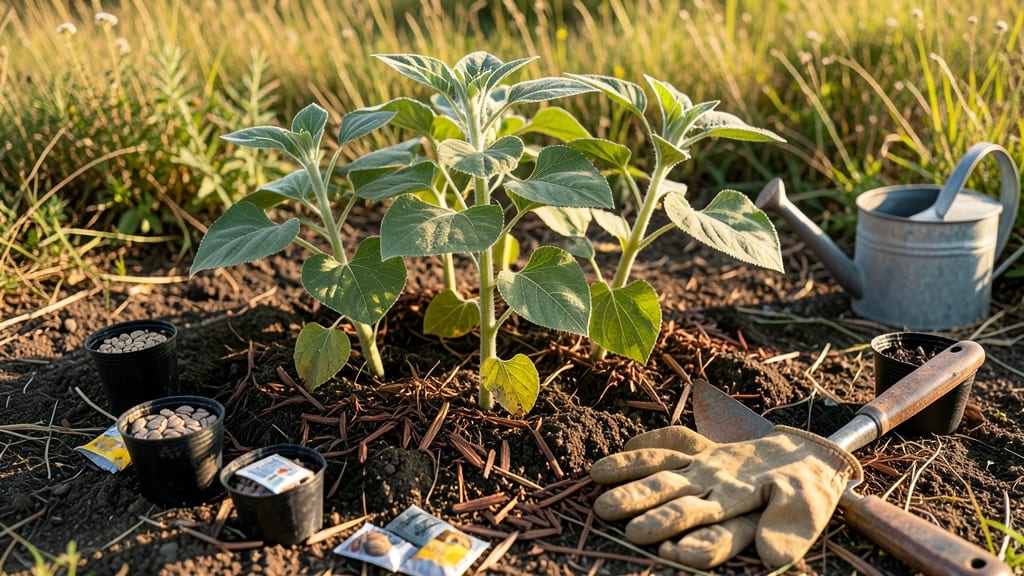
If you’ve ever planted sunflowers in South Florida only to watch them wither under the relentless sun, you’re not alone. The key to growing vibrant, towering 🌻 sunflowers here isn’t just about soil or water—it’s about timing.
Plant them too early, and the summer heat will scorch them before they bloom; too late, and you might miss the sweet spot for those iconic golden faces.
South Florida’s frost-free year-round climate means sunflowers can technically grow anytime, but that doesn’t mean every season is equal. The best windows—early spring and late summer—align with cooler temperatures and avoid the brutal midday heat that can stress even the hardiest varieties.
I’ll show you exactly when to put those seeds in the ground for the most dramatic, sun-soaked blooms.
Beyond just the calendar, I’ll break down how to prep your soil, adjust watering for Florida’s humidity, and even pick the right sunflower varieties that won’t bolt in the heat.
Whether you’re a first-time gardener or a seasoned green thumb, these tricks will help you avoid the common pitfalls and grow sunflowers that turn heads—and maybe even shade your patio.
Ready to skip the guesswork? Let’s dive into the perfect planting schedule for sunflowers that thrive in South Florida’s unique climate, so you can enjoy those cheerful faces from seed to harvest without the frustration.
Best planting windows for sunflowers in South Florida’s climate zones
South Florida’s frost-free climate (Zones 10-11) lets you grow sunflowers year-round—but timing matters to beat the heat. Planting at the wrong time risks heat stress or stunted growth. The key is choosing windows when temperatures are mild enough for strong establishment but still warm enough for rapid growth.
Unlike cooler climates, sunflowers in South Florida face year-round heat challenges. The best strategy? Plant during transitional months when humidity is lower and afternoon temperatures dip below 90°F (32°C). This gives seedlings time to develop roots before summer’s peak intensity.
Here’s the breakdown of optimal planting windows for South Florida’s microclimates, including coastal areas, inland zones, and elevated regions like the Everglades:
| Planting Window | Ideal Months | Temperature Range | Microclimate Notes | Heat Escape Tip |
|---|---|---|---|---|
| Early Fall | August–September | 75–88°F (24–31°C) | Coastal areas benefit from sea breezes; inland zones may need shade cloth. | Plant dwarf varieties (3–5 ft) to avoid wind damage. |
| Late Winter | January–February | 65–78°F (18–26°C) | Best for high elevations (e.g., Miami’s Redland area); avoid low-lying spots prone to cold snaps. | Use black plastic mulch to warm soil faster. |
| Spring Escape | March–April | 70–85°F (21–29°C) | Peak window for standard varieties; Everglades may need drip irrigation. | Plant after Easter to avoid April heatwaves. |
| Summer Rescue | June (early) | 80–90°F (27–32°C) | Risky but possible with dwarf varieties and afternoon shade. | Water twice daily and use 50% shade cloth. |
My top recommendation for South Florida gardeners is planting in late winter (January–February). This window gives sunflowers 3–4 months of ideal growth before summer’s peak heat arrives. The cooler nights help seedlings establish roots, while increasing daylight fuels rapid growth.
If you’re in a coastal microclimate (e.g., Miami Beach or Key West), you can push planting into early fall (August–September). The trade winds provide natural cooling, and humidity drops slightly, reducing fungal risks like powdery mildew. Just choose dwarf varieties to avoid wind damage.
For inland areas like Fort Lauderdale or Palm Beach, avoid planting in May or June unless you’re using drip irrigation and shade cloth. Temperatures often exceed 95°F (35°C), causing sunflowers to bolt prematurely or develop blind stems (no flowers).
Instead, opt for late summer (July) plantings with heat-tolerant varieties like ‘ProCut’.
Pro tip: Monitor your local heat index, not just air temperature. South Florida’s humidity makes 85°F (29°C) feel like 95°F (35°C). Use a soil thermometer to aim for 65–75°F (18–24°C) at planting depth—this is the sweet spot for germination.
Always plant afternoon shade if temperatures exceed 88°F (31°C) during seedling stages. A simple row cover or shade cloth can extend your planting window by 2–3 weeks in summer. For container growers, move pots to shadier spots during peak heat (12–4 PM).
🌻
How to time sunflower planting for maximum bloom success
Timing your sunflower planting in South Florida isn’t just about avoiding frost—it’s about beating the heat. Since we don’t have frost to worry about, the real enemy is the intense summer sun, which can cause seeds to dry out or seedlings to bolt before they mature.
The ideal soil temperature for sunflower germination is between 60°F and 90°F, but consistent temperatures above 95°F stress young plants.
To maximize your chances of show-stopping blooms, focus on planting during cooler transitional periods—early spring (February–March) and late summer (August–September). These windows give your sunflowers time to establish roots before the peak heat arrives.
I’ve also found that companion planting with heat-tolerant crops can extend the growing season by providing shade and moisture retention.
- 1 Plant after soil warms: Wait until soil reaches 65°F+ (use a soil thermometer) to avoid slow germination. In South Florida, this typically aligns with late February–early March for spring plantings.
- 2 Use shade cloth for summer starts: If planting in August–September, cover seedlings with 30% shade cloth for the first 2 weeks to ease them into direct sun. Remove gradually to prevent shock.
- 3 Companion plant for heat relief: Pair sunflowers with bush beans or cosmos, which provide light shade and improve soil moisture. Avoid planting near corn or tomatoes, which compete for nutrients.
- 4 Adjust watering for humidity: In South Florida’s high humidity, water deeply every 2–3 days in spring/fall but reduce to daily shallow watering in summer to prevent fungal diseases like powdery mildew.
- 5 Monitor heat waves: If temperatures exceed 95°F for 3+ days, provide afternoon shade with row covers or move potted sunflowers to a cooler spot. Resume full sun once temps drop below 90°F.
Another trick I’ve used is to stagger plantings every 2 weeks during the optimal windows. This ensures a continuous bloom cycle instead of one big flush of flowers. For example, plant a batch in late February, another in early March, and a final batch in mid-August.
This way, you’ll have sunflowers in various stages of growth, from seedlings to mature blooms, all summer long.
Don’t overlook the power of mulching to regulate soil temperature. Apply a 2–3 inch layer of straw or wood chips around your sunflower bases to keep roots cool and retain moisture.
In my garden, mulched sunflowers survive South Florida’s short heat waves with minimal stress, and the blooms last longer too.
Finally, if you’re growing sunflowers for cut flowers or seeds, aim for the earliest possible planting in February. These sunflowers will mature just as summer cools slightly in late May–June, giving you the best chance to harvest before the peak heat sets in.
With these timing tricks, you’ll avoid the common pitfalls and enjoy sunflowers that thrive—no wilting in sight!