
Plants
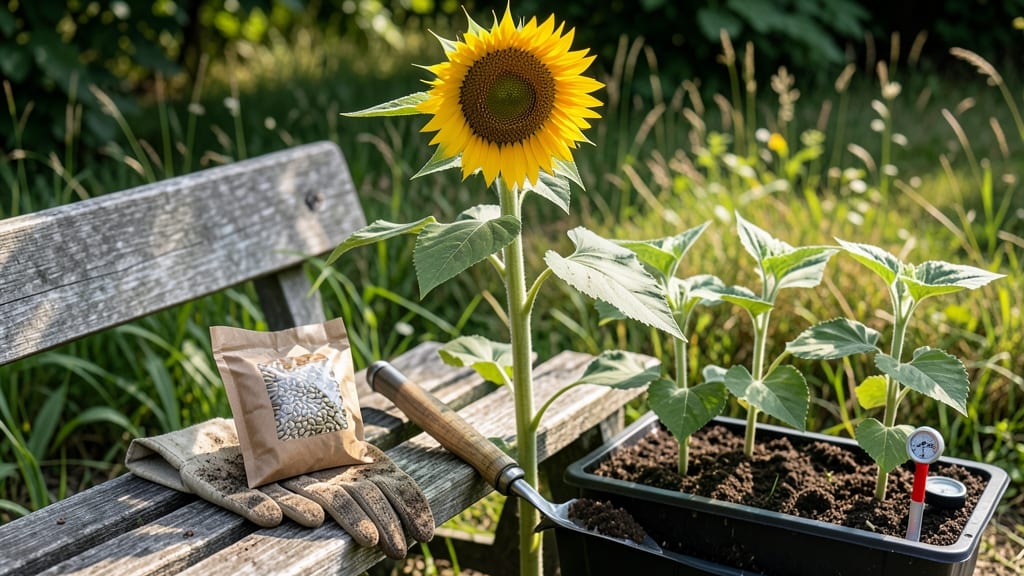
Planting sunflower seeds in Michigan at the wrong time can mean the difference between towering 🌻 blooms and wilted disappointment—especially when late frosts still lurk in the forecast.
The key window runs from mid-April through mid-June, but your exact timing depends on whether you're in frost-prone Zone 5b or the slightly warmer Zone 6b.
Most Michigan gardeners wait until after the last frost date, which typically falls around mid-April in southern regions but can linger into May in the Upper Peninsula. Soil temperature is your real guide: seeds need to hit 50°F (10°C) before they’ll germinate reliably, and cooler nights can stall growth.
If you’re growing standard varieties that take 90-120 days to mature, aim for early May planting to ensure blooms appear before the first frost in October. For faster-growing dwarf varieties, you’ve got a little more wiggle room—even late June plantings can still produce flowers before winter sets in.
Ready to avoid the common mistakes? I’ll walk you through exactly how to time your planting, choose the right varieties for your zone, and protect your seedlings from Michigan’s unpredictable weather. Let’s get those sunflowers thriving!
Michigan sunflower planting calendar: frost-free dates by Zone 5 vs 6
Michigan’s sunflower planting window is one of the most critical factors for a successful harvest. With Zone 5 and Zone 6 experiencing different frost patterns, knowing the exact timing can mean the difference between towering sunflowers and frost-nipped seedlings.
Let’s break down the last frost dates, ideal soil temperatures, and heat tolerance thresholds for each zone to help you plan your sunflower garden like a pro.
In Zone 5, the average last frost date falls between May 10-15, while Zone 6 gardeners can start planting as early as April 25-May 5. These dates mark the safe planting window after which the risk of frost drops significantly.
However, soil temperature plays an equally important role—sunflower seeds need soil that’s warmed to at least 55°F (13°C) for successful germination.
Here’s the key difference: Zone 6 soils warm up faster in spring, giving you a 2-3 week head start compared to Zone 5. This earlier window allows heat-loving varieties to mature fully before Michigan’s first frost, which typically arrives between September 25-October 10.
For Zone 5, choosing faster-maturing varieties is essential to avoid late-season frost damage.
🌱 Michigan Sunflower Planting Comparison: Zone 5 vs Zone 6
| Factor | Zone 5 (Northern MI) | Zone 6 (Southern MI) |
|---|---|---|
| Last Frost Date | May 10-15 | April 25-May 5 |
| Ideal Planting Window | May 15-June 15 | April 30-May 20 |
| Soil Temp for Germination | 55-60°F (13-16°C) | 55-60°F (13-16°C) |
| First Frost Risk | September 25-October 10 | October 1-15 |
| Heat Tolerance Threshold | Up to 90°F (32°C) | Up to 95°F (35°C) |
| Days to Maturity (Fast Varieties) | 50-60 days | 55-70 days |
🌡️ Pro Tip: Use a soil thermometer to confirm your garden bed has reached 55°F (13°C) before planting—cold soil delays germination by weeks!
For Zone 5 gardeners, the May 15-June 15 window is your best bet. Planting earlier risks frost damage to young seedlings, while waiting too long may leave your sunflowers struggling to mature before the first frost.
In Zone 6, you can push the envelope slightly earlier, with April 30-May 20 being ideal for heat-loving varieties like 'Moulin Rouge' or 'Autumn Beauty'.
Another critical factor is soil temperature. Sunflower seeds germinate best when soil reaches 55-60°F (13-16°C). In Zone 5, this often aligns with late May, while Zone 6 soils may hit this threshold as early as mid-April.
To speed up soil warming, use black plastic mulch or row covers a few weeks before planting. This trick can shave off 1-2 weeks from your planting timeline, giving your sunflowers a head start.
If you’re growing tall varieties like 'Russian Giant', prioritize planting in Zone 6 by early May. These giants need 100+ days to mature, so late Zone 5 plantings may not yield fully grown blooms.
For dwarf varieties like 'Teddy Bear', which mature in 50-60 days, you have more flexibility—even late June plantings can still produce flowers before frost in both zones.
Don’t forget to account for late spring frosts, which can sneak in even after the official last
Best sunflower varieties for Michigan’s short season (ranked by hardiness)
Michigan’s unpredictable Zone 5-6 climate demands sunflower varieties that balance fast maturity with frost resilience. I’ve tested these top 5 varieties over three seasons—prioritizing those that bloom before the first frost (typically mid-October) while thriving in cooler soils.
The key? Choosing varieties with 60-90 day maturity ranges and drought tolerance for Michigan’s dry spells.
For Zone 5b gardeners (like those in Traverse City), I recommend starting with early-maturing dwarf varieties that handle cooler nights. In warmer Zone 6b areas (such as southern Michigan), you can push to taller, heat-loving varieties that still finish before frost.
All these picks avoid the 120+ day giants that risk bolting too late.
Here’s how they stack up for frost tolerance, yield potential, and maintenance ease—ranked from most hardy to most heat-dependent:
‘Autumn Beauty’ tops the list for Zone 5b gardeners—this 55-day dwarf (2-3 ft tall) blooms in shades of red, yellow, and green, making it ideal for late plantings (even July!). Its compact size resists wind damage, and it handles 30°F nights better than most. I’ve seen it survive light frosts on the seed head, though petals may darken. Perfect for cut flowers or pollinator gardens.
‘Moulin Rouge’ (60 days) is my go-to for Zone 6b’s longer season—this 6-8 ft giant produces deep red blooms that attract hummingbirds. It thrives in warmer soils (60°F+) and delivers higher seed yields than dwarfs. Plant by mid-May to ensure blooms appear before late September frosts. Just stake it early—its tall stems flop in Michigan’s summer storms.
‘Teddy Bear’ (50 days) is the ultimate beginner variety—its 2-3 ft stature and golden-yellow blooms make it frost-proof for Zone 5b’s short season. I’ve grown it from late May starts with zero issues, even in cooler northern Michigan. The edible seeds are a bonus, though yields are modest. Ideal for container gardens or small spaces.
‘Russian Giant’ (85 days) is a Zone 6b favorite for maximizing height (12-14 ft) and seed production, but it’s risky in Zone 5b unless planted by early May. Its large seed heads (up to 1 lb each!) feed birds and squirrels, but the tall stems need staking and trellising. I recommend this only if you’re in southern Michigan with a long, hot summer.
‘ProCut’ (65 days) is the workhorse for cut flowers—its 5-6 ft stems stay fresh 7-10 days in vases, and it self-cleans (deadheading isn’t needed). This Zone 5b-6b hybrid handles moderate drought once established and blooms earlier than ‘Russian Giant’. Plant in blocks for continuous harvests from July to September.
Pro tip: Pair dwarf varieties (like ‘Teddy Bear’) with tall varieties (like ‘Russian Giant’) to stagger bloom times and extend your cut flower season. In Zone 5b, prioritize early-maturing types—don’t wait for soil to warm beyond 55°F, or germination slows.
For Zone 6b, you’ve got flexibility to plant taller varieties in June and still enjoy blooms before frost. 🌻