
Plants
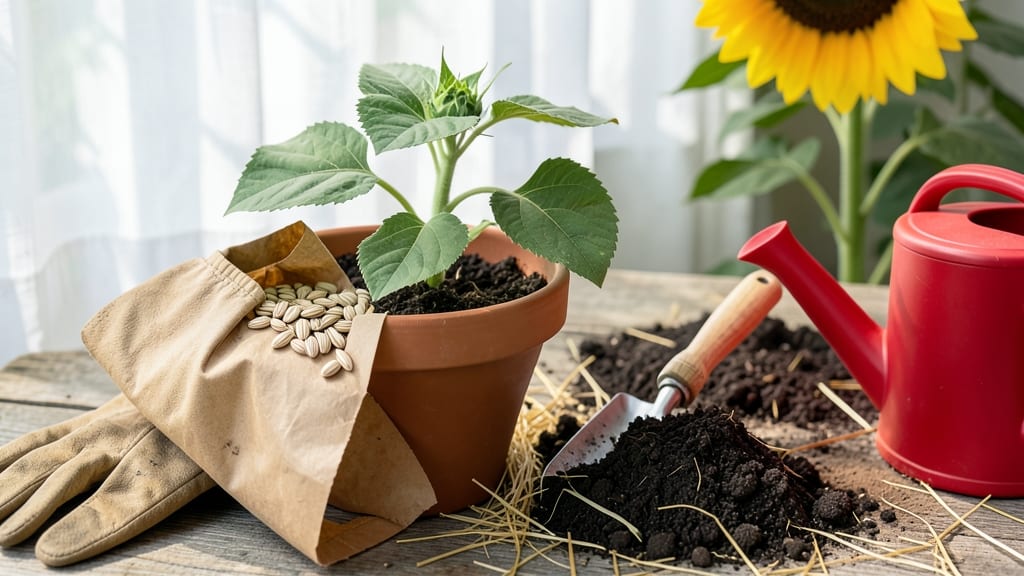
To grow sunflowers that reach 10 feet tall in Florida, when to plant sunflower seeds in Florida is the key—get it wrong, and you’ll miss their stunning blooms entirely.
Florida’s warm winters and long growing season mean you’ve got two prime windows: spring for summer sunflowers and fall for winter varieties, but the exact month depends on where you live in the state.
In North Florida’s 9a zones, wait until after the last frost (usually mid-March) when soil warms to 55°F. Meanwhile, South Florida’s 11 zones can plant as early as February, thanks to their frost-free climate.
The goal? Germinate seeds when temperatures are steady, so they don’t bolt too quickly in the heat.
I’ve learned the hard way that planting too early in cooler zones leads to leggy, weak stems, while waiting too late risks stunted growth.
Whether you’re aiming for giant varieties like ‘Russian Giant’ or compact types like ‘Teddy Bear,’ the right timing ensures your 🌻 sunflowers thrive from seed to showstopper bloom.
Ready to unlock the secrets? Let’s break down the exact planting schedule for your Florida zone, plus pro tips to keep your sunflowers thriving through Florida’s intense summers.
Best planting months for sunflowers in Florida’s climate zones
Florida’s climate zones—North (Zones 8a-9a), Central (Zones 9a-9b), and South (Zones 10a-11)—create unique planting windows for sunflowers. Unlike northern states, Florida’s frost-free growing season spans nearly year-round, but timing still matters to avoid heat stress or premature bolting.
Here’s how to align your planting with Florida’s three distinct regions.
In North Florida, where last frost dates average January 15 and first frosts arrive December 15, sunflowers thrive when soil temperatures hit 55°F or warmer. This typically means waiting until mid-March for spring plantings.
Meanwhile, Central Florida’s longer frost-free window allows for slightly earlier starts in late February, while South Florida’s tropical climate lets you plant year-round—though summer heat demands extra care.
Soil temperature is the critical factor for germination. Sunflower seeds need consistent warmth above 55°F to sprout reliably. In Florida, this usually aligns with March-April for spring and September-October for fall plantings. Summer sowing (June-August) is possible in Central/South Florida but risks bolting or pest pressure from humidity.
For North Florida growers, the March-April window ensures sunflowers mature before summer’s 90°F+ temperatures trigger bolting. Start seeds indoors in February if you’re eager, but transplant outdoors only after April 1 when nighttime temps stay above 50°F.
In Central Florida, you can push the envelope with late February starts, but monitor soil moisture closely—Florida’s clay soils dry out quickly under spring sun.
In South Florida, where frost is nonexistent, the real challenge is heat and humidity.
Plant dwarf varieties like ‘Teddy Bear’ in summer (June-July) to avoid wilting, or opt for tall varieties in fall (September-October) when temps cool slightly. Shade cloth (30-50%) can extend summer growing windows by 2-3 weeks in all zones.
Pro tip: Use a soil thermometer to confirm 55°F+ soil temps before planting. In Florida’s sandy soils, this may mean waiting until mid-April in North Florida or early March in Central Florida. Amend soil with compost to improve moisture retention—critical for Florida’s intense summer sun.
If you miss the spring window, don’t despair—fall planting (September-October) yields second blooms just in time for winter holidays. In South Florida, October-November plantings often outperform spring ones due to cooler temps and lower humidity. Just beware of hurricane season (June-November), which can uproot young seedlings.
For container growing, Florida’s heat zones shift the rules slightly. North Florida containers need black plastic pots to absorb heat, while South Florida containers benefit from light-colored pots to reflect sunlight. Always use well-draining mix with perlite to prevent root rot in Florida’s heavy rains.
Remember: Florida’s long growing season is a gift, but timing still matters. Plant sunflowers when soil is warm, humidity is moderate, and pests are less aggressive. With these zone-specific windows, you’ll grow sunflowers from seed to 10-foot giants—no matter where you garden in Florida. 🌻
How to adjust planting for Florida’s extreme heat and humidity
Florida’s summer heat and humidity can turn sunflower gardening into a challenge if you’re not prepared. The key is choosing the right varieties and adjusting your planting strategy to prevent bolting—when plants flower too quickly due to heat stress.
I’ve found that heat-tolerant varieties like ‘Moulin Rouge’ handle Florida’s climate better than standard types, while ‘Russian Giant’ thrives with extra care during peak summer months.
To avoid bolting, focus on soil moisture management and shade protection during the hottest afternoons. Sunflowers planted in Florida’s Zone 10-11 need consistent moisture to prevent stress, but overwatering can lead to fungal issues. The trick is finding that sweet spot where roots stay hydrated without sitting in soggy soil.
Here’s the critical warning: Florida’s summer heat can cause sunflower seeds to sprout unevenly or fail entirely if soil temperatures exceed 90°F. If you’re planting in late spring or early summer, use row covers or shade cloth to protect young seedlings until they establish strong roots.
⚠️ Florida Heat Warning
When planting sunflower seeds in Florida, never sow directly into hot soil (above 85°F). Instead, start seeds indoors in cool conditions (68-72°F) and transplant after soil cools to 75°F or below. For summer plantings, use black plastic mulch to regulate soil temperature and retain moisture.
For heat-tolerant varieties, ‘Moulin Rouge’ is my top pick—its deep red blooms thrive in Florida’s humidity and resist common diseases. Meanwhile, ‘Russian Giant’ needs extra attention: stake young plants to prevent stem collapse from heavy heads in summer storms.
Both varieties benefit from mulching to keep roots cool and moist.
Watering is another critical adjustment. In Florida’s heat, sunflowers need deep watering twice weekly rather than daily shallow watering. Aim for 1-2 gallons per plant in the morning to reduce evaporation and fungal risks. Avoid overhead watering during peak sun hours, which can scorch leaves.
Finally, consider fall planting for a second sunflower crop. September-October plantings in North Florida or year-round in South Florida give you bolting-resistant blooms before winter. Just be sure to choose short-day varieties like ‘Autumn Beauty’ for fall success.