
Plants
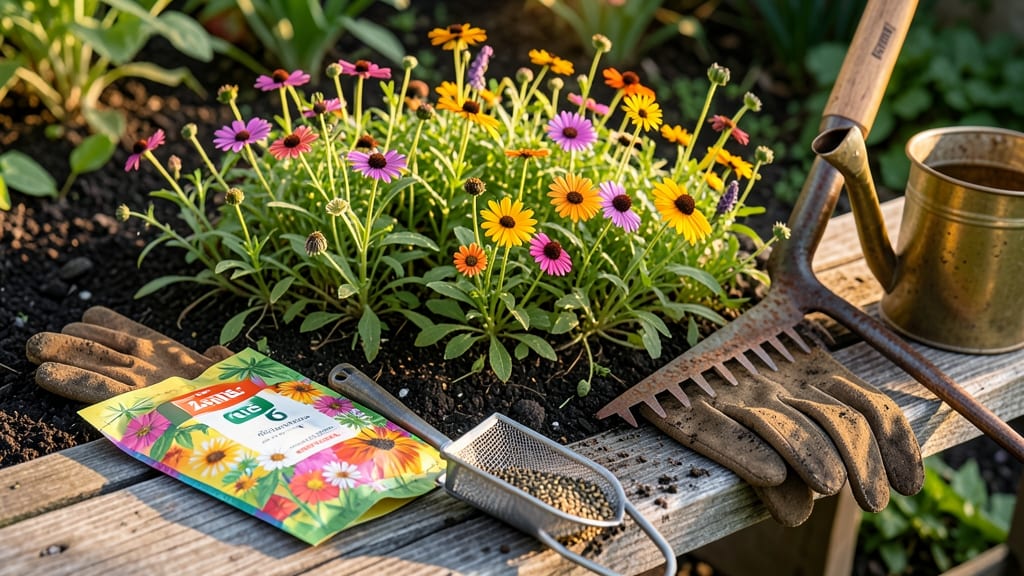
Planting wildflower seeds at the wrong time in Zone 6 could leave you staring at bare soil instead of a colorful meadow. The secret to success lies in understanding when to plant for the strongest roots and most vibrant blooms.
In Zone 6, you have two prime windows: early spring or late summer/early fall. Each season offers unique advantages that can dramatically impact your wildflower's growth. Let me walk you through the best timing and what to consider for each approach.
Spring planting gives your wildflowers a head start as temperatures rise, while fall planting allows seeds to establish roots before winter. Both methods work well in Zone 6, but the key is preparing your soil and understanding your local microclimate.
Whether you're creating a pollinator garden or adding color to your landscape, getting the timing right is the first step to a thriving wildflower display. I'll show you exactly how to maximize your chances of success in each planting season.
Optimal wildflower seed planting times in Zone 6: spring vs fall comparison
Deciding when to plant wildflower seeds in Zone 6 can feel overwhelming with conflicting advice. The truth? Both spring and fall offer advantages, but the best choice depends on your specific goals and local climate patterns.
In Zone 6, where last frosts typically occur around mid-April and first frosts arrive by mid-October, timing becomes crucial for seedling survival and establishment.
Spring planting gives seeds a head start in warm soil, while fall planting allows roots to develop before winter dormancy. Both methods work, but understanding the soil temperatures, moisture availability, and weed competition will help you decide which season suits your garden best.
Let's break down the key differences to help you make an informed choice for your wildflower meadow.
🌱
| Zone 6 Wildflower Planting Comparison | ||
|---|---|---|
| Factor | Spring Planting (March-April) | Fall Planting (August-September) |
| Ideal Planting Window | After last frost (mid-April), when soil reaches 50-60°F | 6-8 weeks before first frost (late August-early September) |
| Soil Temperature | 50-60°F (warmer soil speeds germination) | 60-70°F (cooler fall nights slow growth but reduce stress) |
| Moisture Availability | Moderate (spring rains vary; supplemental watering may be needed) | High (fall rains often provide consistent moisture) |
| Weed Competition | High (weeds germinate early in warm soil) | Moderate (cooler temps slow weed growth) |
| Establishment Time | 6-8 weeks before first frost (limited growing season) | 8-10 weeks (roots develop before winter dormancy) |
| Bloom Time | First year (summer-fall blooms) | Second year (spring-summer blooms, longer vase life) |
| Best For | Quick color (annuals like cosmos, zinnias) | Long-term meadows (perennials like coneflowers, black-eyed Susans) |
| Key Advantage | Immediate visual impact | Stronger root systems before winter |
| Potential Challenge | Drought stress if spring is dry | Overwintering risks if planted too late |
Spring planting in Zone 6 typically occurs between March and April, right after the last frost date. The key advantage here is that seeds germinate quickly in warming soil, often reaching maturity before summer's peak heat.
However, spring-planted wildflowers face intense competition from weeds and may struggle with drought conditions if rainfall is inconsistent. This method works best for annual varieties like cosmos or sunflowers, which can produce blooms within the same growing season.
Fall planting, on the other hand, happens between August and September, allowing seeds to establish roots before winter dormancy. The cooler temperatures reduce weed pressure and provide consistent moisture from fall rains.
While blooms may appear in the second year, the resulting meadows often have deeper root systems and longer vase life. Perennial wildflowers like black-eyed Susans or cone flowers thrive with this approach, creating low-maintenance landscapes.
For gardeners in Zone 6 with dry summers, fall planting often yields better results because established roots can access deeper moisture reserves. Conversely, those prioritizing immediate color might prefer spring planting.
Always check your local last frost dates, as microclimates can shift planting windows by 2-3 weeks in either direction.
One critical factor often overlooked is seed dormancy requirements. Many wildflower seeds need a period of cold stratification to germinate properly. Fall planting naturally provides this, while spring-planted seeds may require pre-treatment or scarification. If you're unsure about your seed mix, consult the packaging for specific recommendations.
🌿
Pro tip: If you're torn between seasons, consider a split approach! Plant some seeds in spring for immediate color and others in fall for long-term establishment. This hybrid method creates a multi-season display while balancing both strategies' benefits.
Just be sure to mark your planting areas clearly to avoid confusion when maintenance time comes.
Remember that soil preparation matters just as much as timing. Whether planting in spring or fall, clear the area of debris, loosen the top 2-3 inches of soil, and mix in a light compost to improve drainage.
Wildflower seeds don't need deep planting—just a gentle press into the soil will do. For larger areas, consider using a seed spreader for even distribution.
Finally, don't forget that local climate variations within Zone 6 can affect these guidelines. Urban areas often experience heat islands that extend growing seasons, while rural spots may have cooler microclimates. Pay attention to your specific location's patterns over several years to refine your planting strategy.
5 Key factors that determine success for fall vs spring planting
When planting wildflower seeds in Zone 6, the difference between spring and fall success often comes down to five critical factors. Understanding these can help you choose the perfect planting window for your location.
In spring, you'll face weed competition and potential drought stress, while fall offers cooler temperatures and natural moisture retention.
First, let's consider frost dates. Zone 6 typically experiences its last frost around mid-April and first frost in mid-October. Planting too early in spring risks frost damage, while fall planting should occur at least 6-8 weeks before frost to allow seeds to establish roots before winter dormancy.
Here's what you need to know about each factor to make the best decision for your wildflower meadow:
Spring: Plant after last frost (mid-April). Fall: Plant 6-8 weeks before first frost (by early September).
Fall: Natural rainfall increases. Spring: May require irrigation during dry spells.
Spring: Weeds germinate first. Fall: Fewer weeds emerge before winter.
Many wildflower seeds need cold stratification. Fall planting mimics natural winter conditions.
Southern exposures warm faster. Northern areas stay cooler longer. Adjust timing accordingly.
For Zone 6 gardeners, fall planting often has the edge because cooler temperatures reduce stress on emerging seedlings. The soil stays moist longer from natural rainfall, and fewer weeds compete for resources.
However, spring planting works well if you prepare the soil thoroughly and keep seeds consistently moist during germination.
Consider your local microclimate when choosing timing. Areas with southern exposure may stay warmer longer, while northern exposures might benefit from slightly later spring planting. Always check your specific last frost date and adjust accordingly—this can vary by several weeks even within the same zone.
Remember that seed dormancy requirements play a crucial role. Many wildflower seeds need a period of cold stratification to germinate properly. Fall planting naturally provides this, while spring planting may require pre-treatment for some varieties. Always check the specific needs of your chosen wildflower mix.
By weighing these five factors, you'll be able to choose the best planting time for your wildflower seeds in Zone 6. Whether you opt for spring or fall, proper preparation and timing will give your meadow the best chance to thrive.