
Plants
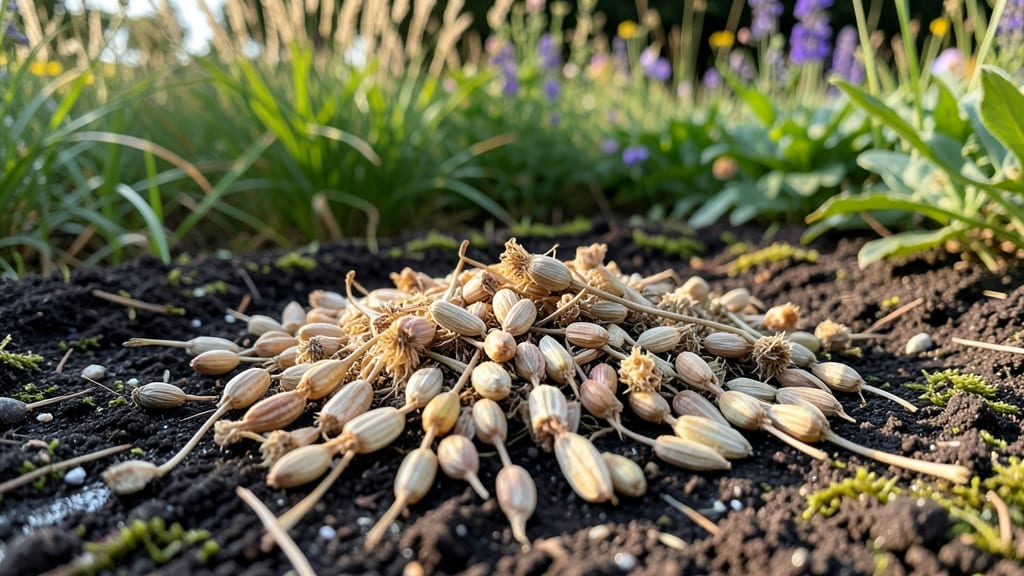
When to plant wildflower seeds in Oregon can make the difference between a vibrant meadow and a year of waiting—especially with the state’s unpredictable frost dates and diverse microclimates. The ideal planting window—late summer to early fall or early spring—makes all the difference, especially with Oregon's shifting frost dates and coastal vs. inland climate quirks.
If you've ever scattered seeds only to watch them struggle through unpredictable Pacific Northwest weather, you're not alone. The key is understanding when to plant for zero-frost success, whether you're in Portland's 7b zone or Southern Oregon's 9a warmth.
I'll show you exactly how to align your planting with Oregon's microclimates for maximum bloom potential.
We'll cover the best months for each region, soil prep secrets, and which native varieties thrive with minimal fuss. Whether you're planting annuals for quick color or perennials for years of beauty, these insights will help you skip the guesswork and start enjoying your wildflower meadow sooner.
From coastal fog delays to inland heat waves, Oregon's weather demands smart planning. Let's dive into the exact timing and techniques that'll have your garden bursting with color—without the frustration of last-minute frost surprises.
Best months to plant wildflower seeds in Oregon by region
Oregon’s diverse climate means your wildflower planting timeline should match your specific region. From the coastal fog of the Oregon Coast to the hot summers of the High Desert, each area has unique frost-free windows.
I’ll break down the ideal planting months for four key regions—coastal, Willamette Valley, High Desert, and mountain areas—to help you time your seeds perfectly for vibrant blooms.
Most wildflower seeds thrive when planted either in early spring (March–April) or late summer (August–October). Spring planting lets seeds establish roots before summer heat, while fall planting takes advantage of cool, moist soils and winter rains. The key is avoiding late frosts or extreme heat, which can stress young seedlings.
Here’s a quick reference for Oregon’s four distinct regions. Use this as your planting guide to maximize success with minimal effort.
| Region | Best Planting Months | Frost-Free Window | Key Considerations |
|---|---|---|---|
| Coastal (e.g., Astoria, Cannon Beach) | March–April (spring) or September–October (fall) | April 1–May 15 | Cool, moist soils; late frosts possible until May. |
| Willamette Valley (e.g., Portland, Eugene) | March–April (spring) or August–September (fall) | April 15–May 10 | Moderate climate; avoid planting after June 1 to prevent summer drought stress. |
| High Desert (e.g., Bend, Burns) | April–May (spring) or August (fall) | May 10–June 1 | Hot, dry summers; plant early spring or late summer for best moisture retention. |
| Mountain Regions (e.g., Crater Lake, Mount Hood) | May–June (spring) or July–August (fall) | June 1–July 15 | Short growing season; prioritize hardy perennials and plant after last frost. |
For the coastal region, I recommend focusing on spring planting (March–April) because the cool, damp soils provide ideal conditions for seed germination. If you choose fall planting, aim for September–October to allow seeds to establish before winter rains set in.
Coastal areas like Astoria and Cannon Beach often experience late frosts into May, so avoid planting too early.
The Willamette Valley, including Portland and Eugene, offers a more predictable climate, making it ideal for both spring and fall planting. I’ve had the most success with late summer planting (August–September) because it allows seeds to germinate with the first autumn rains.
However, if you miss this window, early spring (March–April) is a close second. Just be sure to water consistently until seedlings are established.
In the High Desert, where cities like Bend and Burns experience hot, dry summers, timing is critical. Plant in April–May to take advantage of spring moisture, or opt for late summer (August) to avoid the peak heat.
I’ve found that drought-tolerant species, like lupine and blanket flower, thrive here with minimal watering once established.
Mountain regions, such as those near Crater Lake or Mount Hood, have the shortest growing seasons. Here, late spring (May–June) is your best bet for planting wildflower seeds. If you’re planting in fall, stick to July–August to ensure seeds germinate before the first frost.
These areas benefit from native alpine wildflowers, which are well-adapted to cooler temperatures.
Regardless of your region, always check the soil temperature before planting. Wildflower seeds typically need soil temperatures of at least 45°F (7°C) to germinate. Use a soil thermometer to confirm conditions are right—this small step can make a big difference in your success rate.
Pro tip: If you’re unsure about your local frost dates, consult the Oregon State University Extension Service or use a frost-free date calculator for your specific zip code. This ensures you’re planting at the optimal time for your microclimate.
With the right timing, your wildflower garden will reward you with colorful blooms from spring through fall—minimal effort, maximum beauty! 🌼
How to adjust planting for Oregon’s unpredictable weather patterns
Oregon’s unpredictable weather—from late spring frosts to sudden summer heat waves—can throw off even the most experienced gardener. Wildflower seeds planted too early may get nipped by frost, while seeds planted too late might struggle to establish roots before winter.
The key is flexible timing and smart soil prep to give your seeds the best chance to thrive.
I’ve learned the hard way that soil temperature matters just as much as air temperature. In cooler microclimates like the Willamette Valley, seeds planted in late August or September often germinate better than spring plantings because the soil stays warm longer.
Meanwhile, in Southern Oregon’s high desert, early spring plantings in March can avoid summer drought stress. Let’s break down how to adapt your planting schedule to Oregon’s quirks.
⚠️ CALLOUT-WARNING Late Frost Risk: Even if your last frost date is April 15, coastal areas can see frost as late as May 10. Use row covers or plant perennial wildflowers (like yarrow or lupine) first—they’re hardier and recover better from cold snaps.
For annuals, wait until after May 1 in coastal zones or April 15 inland to avoid frost damage. Always check your local frost-free date and adjust by 2-3 weeks if your area is prone to delays.
Seed stratification is another game-changer for Oregon gardeners. Many native wildflowers, like blue-eyed grass or checker mallow, need a cold period to break dormancy. If you’re planting in fall, nature handles this for you. But for spring plantings, mimic winter by refrigerating seeds in a damp paper towel for 4-6 weeks before sowing. This trick boosts germination rates by 30-50%.
Don’t overlook succession planting—a lifesaver for Oregon’s variable rainfall. Instead of planting all your seeds at once, stagger them every 3-4 weeks from late summer to early fall.
This ensures a continuous bloom cycle and reduces the risk of losing your entire crop to a single heatwave or downpour. For example, plant cosmos in August, black-eyed Susan in September, and goldenrod in early October.
Finally, soil preparation can make or break your wildflower garden. Oregon’s clay-heavy soils in the Willamette Valley and sandy soils in the desert need different treatments. For clay, mix in compost and coarse sand to improve drainage.
For sandy soils, add peat moss or compost to retain moisture. Always test your soil’s pH—most wildflowers prefer 6.0-7.0. If your soil is too acidic, amend it with lime before planting.
With these adjustments, you’ll turn Oregon’s unpredictable weather into an advantage. Your wildflowers will establish strong roots, weather fluctuations, and reward you with bold, long-lasting blooms—no matter what Mother Nature throws your way. Happy planting! 🌼