
Flowers
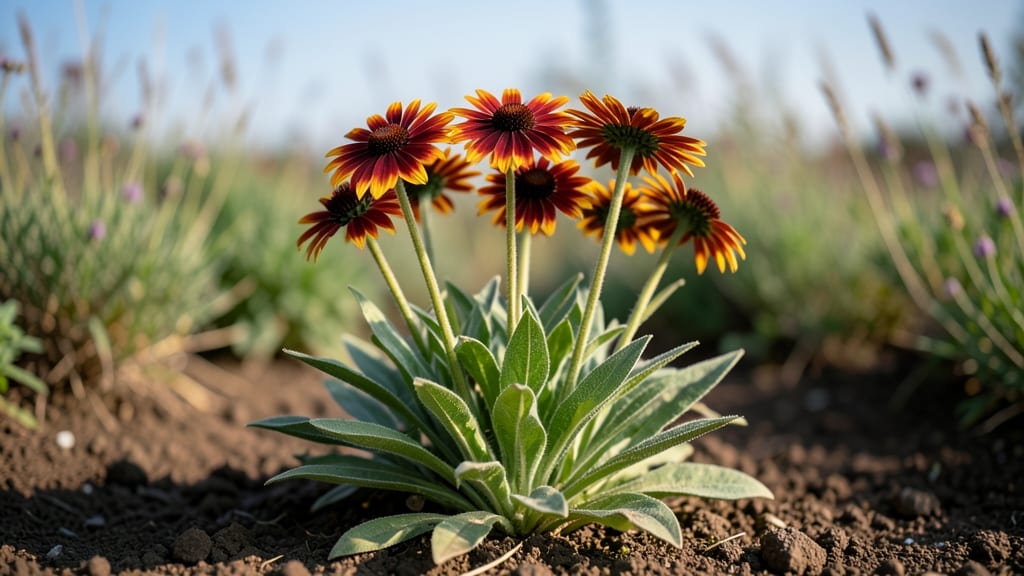
Wondering how tall a blanket flower grows and whether it’ll dominate your garden or blend right in? The answer depends on the variety you choose, and getting it right means the difference between a crowded flower bed and a well-balanced, eye-catching display.
Blanket flowers typically mature between 1 and 4 feet, but some varieties—like the compact 'Goblin'—stay under 2 feet, while others, such as 'Arizona Sun,' can stretch toward 3 to 4 feet.
This range alone makes height a critical factor in where you plant them, especially if you’re working with limited space or pairing them with taller perennials.
If you’re designing a border, a 2-foot-tall variety creates a neat, uniform look, while taller types shine in the back of beds or mixed containers. The key is matching the plant’s mature height to its surroundings—whether that’s a sunny border, a pollinator-friendly meadow, or a cozy cottage garden.
Let’s break down exactly how tall each popular variety grows and how to use that information to place your blanket flowers for maximum impact—without sacrificing airflow or sunlight for other plants.


Blanket flower height by variety: from compact to towering
When designing your garden, understanding the mature height of blanket flower (Gaillardia) varieties helps you create stunning visual layers. These hardy perennials range from compact ground covers to towering garden stars, each offering unique design opportunities.
The height differences aren't just about aesthetics—they directly impact spread potential, airflow needs, and even pollinator attraction.
For example, the 'Goblin' variety stays under 12 inches tall, making it perfect for rock gardens or container displays, while 'Arizona Sun' can reach 36 inches, ideal for back-of-border planting.
Let's explore how these height variations influence your garden planning decisions and which varieties suit different spaces.
| Variety | Mature Height | Spread | Best For |
|---|---|---|---|
| 'Goblin' | 12–18" | 12–18" | Containers, rock gardens, edging |
| 'Arizona Sun' | 24–36" | 18–24" | Back borders, mixed beds, pollinator gardens |
| 'Mesa Red' | 18–24" | 12–18" | Cut flowers, cottage gardens, mass plantings |
| 'Fanfare Red' | 24–30" | 18–24" | Pollinator gardens, wildflower meadows |
| 'Arizona Sunset' | 30–36" | 24–30" | Back-of-border, tall perennial beds |
The 'Goblin' variety's 12-inch maximum height makes it a fantastic choice for small-space gardens or vertical planters. Its compact size also means it won't compete with nearby plants for sunlight, reducing the risk of leggy growth.
In contrast, taller varieties like 'Arizona Sunset' (up to 3 feet) create dramatic vertical interest when planted in groups of 3–5.
Height also affects bloom visibility. Taller varieties like 'Mesa Red' (18–24 inches) are perfect for cut flower arrangements because their stems remain sturdy. Shorter varieties, however, offer ground-level color that attracts butterflies and bees at eye level.
I've found that mixing heights—like pairing 'Goblin' in front with 'Arizona Sun' behind—creates a natural tiered effect that draws the eye upward.
For container gardening, stick to varieties under 18 inches to avoid top-heavy pots that may tip over in wind. In in-ground plantings, taller varieties benefit from staking or support if they lean, especially in partial shade where stems may weaken.
I always recommend planting taller varieties on the north side of containers to prevent them from shading shorter companions.
Another key consideration is spread potential. While height gets most of the attention, the width of each variety determines how many plants you'll need. For example, 'Arizona Sunset' spreads 24–30 inches, so I space them 18 inches apart to prevent overcrowding.
In contrast, 'Goblin' stays tight at 12–18 inches wide, allowing for closer spacing in rock gardens.
If you're designing for pollinators, taller varieties like 'Fanfare Red' provide landing platforms for bees and butterflies, while shorter ones offer low-level nectar access. I've noticed that mixed-height plantings create a continuous bloom ladder, supporting pollinators throughout the growing season.
For maximum impact, combine 3–5 varieties in a single bed, ensuring a colorful, textured display from spring to frost.
For cut flower gardens, prioritize varieties with sturdy stems and long vase life, like 'Mesa Red' or 'Arizona Sunset'. Their 24–36 inch heights make them ideal for bouquet arrangements, while their bright colors add vibrancy to mixed floral designs.
I always harvest stems early in the morning when water content is highest and buds are still closed for longer-lasting blooms.
In drought-prone regions, taller varieties may require occasional staking to maintain upright growth, while shorter ones handle dry conditions with minimal support. I've found that mulching around the base helps retain moisture and prevents stem flopping in heat.
For container-grown blanket flowers, choose dwarf varieties or prune regularly to control height and encourage bushier growth.
Remember, height isn't fixed—it's influenced by light exposure, soil fertility, and pruning habits. In partial shade, blanket flowers may grow 10–20% shorter than their full-sun potential. To maximize height, plant in
Optimal garden spacing for blanket flower growth & spread
Proper garden spacing for blanket flower (Gaillardia) isn't just about aesthetics—it directly impacts bloom production, airflow circulation, and even pest resistance. Crowding these plants too closely leads to stunted growth, fungal diseases, and fewer flowers.
Since blanket flowers vary in height and spread, their spacing needs differ significantly between varieties.
For dwarf varieties like 'Goblin' (1–2 feet tall), I recommend spacing plants 12–18 inches apart in rows. This creates a dense, uniform look while preventing competition for nutrients. Taller varieties, like 'Arizona Sun' (3–4 feet), need 24–36 inches of space to avoid shading their neighbors and maintain strong stems.
Here’s the science behind these spacing guidelines: blanket flowers have shallow root systems that spread horizontally. Giving them enough room ensures roots access moisture and nutrients without competing. Proper spacing also reduces humidity around foliage, lowering the risk of powdery mildew—a common issue in crowded beds.
🌼 Blanket Flower Spacing Guidelines by Variety
- Dwarf varieties (1–2 ft): Space 12–18 inches apart in rows. Ideal for borders or front-of-bed planting.
- Semi-dwarf varieties (2–3 ft): Space 18–24 inches apart to balance height and spread.
- Standard varieties (3–4 ft): Space 24–36 inches apart for full airflow and stem strength.
- All varieties: Use 36-inch spacing in containers to prevent root binding.
- Pro tip: Mulch around plants to suppress weeds and retain moisture without overcrowding.
When planting blanket flowers in mixed borders, consider their mature height relative to neighboring plants. For example, pairing 'Goblin' (1–2 feet) with salvia (2–3 feet) creates a layered effect, while taller varieties like 'Arizona Sun' should be placed behind shorter perennials like coreopsis or yarrow.
If you’re using blanket flowers in containers, ensure the pot is at least 12 inches wide and deep for each plant. Overcrowding in pots leads to root competition and poor flowering.
I’ve found that one plant per 12-inch pot yields the best results, especially in hanging baskets where airflow is critical.
Finally, remember that deadheading spent blooms encourages more flowers but doesn’t change spacing needs. However, if you notice yellowing leaves or stunted growth, it’s a sign your plants are too close—thin them out immediately to restore health.
With the right spacing, your blanket flowers will thrive, bloom prolifically, and become the star of your garden! 🌻