
Flowers
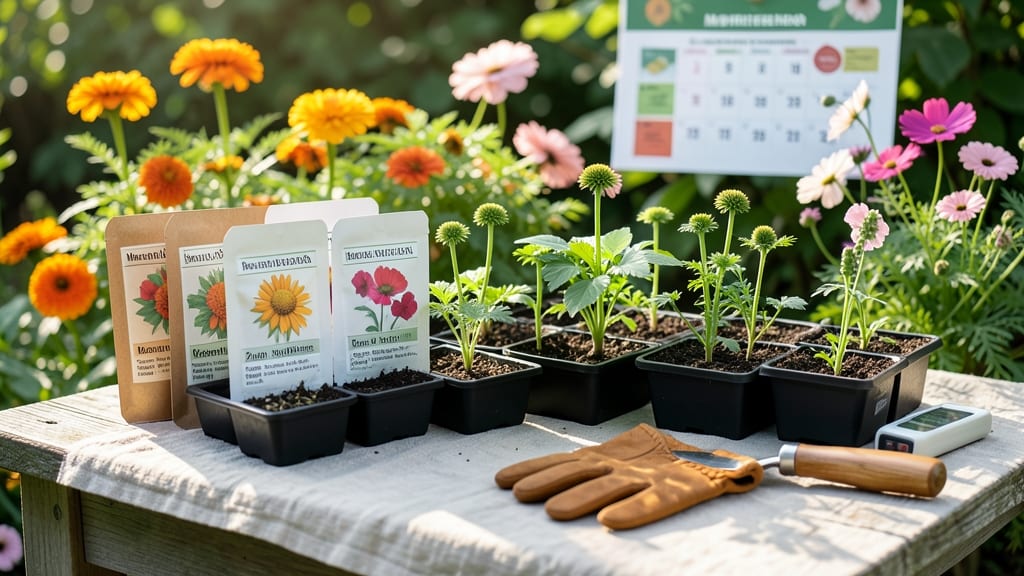
Planting flower seeds at the wrong time in Massachusetts could mean watching your 🌸 blooms turn into sad, frost-killed stubs—so timing is everything in Zone 5B’s unpredictable climate. Whether you're dreaming of vibrant marigolds or hardy coneflowers, getting the dates right ensures your garden thrives from spring to fall.
The key is knowing when to start seeds indoors versus direct sowing, and how to adjust for late frosts or scorching summers. I’ve tested the best planting windows over the years, and what works for Boston’s coastal breezes might fail in Western MA’s hotter valleys.
Let’s break down the exact months to plant for maximum blooms, plus the heat-tolerant varieties that won’t give up when the weather turns tricky.
You’ll learn how to time your spring sowing to avoid frost damage and why late-summer planting can still yield stunning fall flowers. I’ll also share my top tips for using row covers, soil warmers, and local resources like the MA Extension Service to stay ahead of Mother Nature’s surprises.
Ready to transform your yard into a year-round floral paradise? Grab your gloves—we’re diving into the perfect planting schedule for Massachusetts gardens, so you can enjoy blooms from June through October without the guesswork.
Massachusetts zone 5B frost dates: exact seed planting windows by month
Massachusetts’ Zone 5B climate demands precision when planting flower seeds—just one late frost can wipe out tender seedlings. The average last frost date hovers around April 15, but microclimates vary: Boston’s coastal influence delays frost slightly, while inland areas like Western MA may see frost 1-2 weeks earlier.
Always check the MA Extension Service for real-time updates before planting.
For spring planting, start seeds indoors 6-8 weeks before your last frost (around February 20-March 1 for most flowers). Heat-loving varieties like marigolds and zinnias can handle direct sowing 2-3 weeks after frost, while cosmos and sunflowers tolerate cooler soil.
Fall planting opens August 1-September 15, with first frost typically striking October 15.
Here’s your month-by-month planting guide, tailored to Massachusetts’ short growing season and regional differences:
| Month | Indoor Start (Weeks Before Last Frost) | Direct Sow (After Last Frost) | Fall Planting Window | Heat-Tolerant Varieties |
|---|---|---|---|---|
| March | 6-8 weeks (Feb 20) | Wait until April 15+ | N/A | Marigolds, Snapdragons |
| April | 4-6 weeks (Mar 15) | April 30-May 15 | N/A | Cosmos, Zinnias |
| May | N/A | May 15-June 1 (hardy flowers) | N/A | Sunflowers, Black-Eyed Susans |
| August | N/A | August 1-September 1 | August 15-September 15 | Marigolds, Aster |
| September | N/A | September 1-15 (fast growers) | September 1-15 | Sweet Alyssum, Pansies |
For Boston gardeners, extend your season by 1-2 weeks thanks to the city’s urban heat island effect. Plant heat-loving cosmos or zinnias as early as April 20 if nights stay above 50°F.
In Western MA, wait until May 1 for direct sowing to avoid late frosts near Mount Greylock.
Use row covers or cloche tunnels to protect seedlings if planting before May 15. These tools raise soil temperatures by 5-10°F, letting you start marigolds or nasturtiums as early as April 1 in sheltered spots. Always monitor soil temperature—seeds need 60°F+ to germinate reliably.
Succession planting is key in Massachusetts’ short season. Sow fast-growing zinnias every 2 weeks from May-July to enjoy blooms until first frost. For fall flowers, prioritize cool-season varieties like pansies or sweet alyssum, which tolerate light frosts (28-32°F).
Pro tip: Mark your calendar for Memorial Day weekend (May 25-29), when Boston often sees its last frost. This is your cue to harden off seedlings and transplant heat-sensitive flowers like petunias or geraniums. Inland areas should wait until June 1 for these varieties.
Don’t forget fall-planted flowers! Sow aster or goldenrod seeds August 15-September 1 for autumn color before winter sets in. These perennials establish roots early and rebound faster in Zone 5B’s harsh winters.
🌱
Best heat-tolerant flower seeds for Massachusetts’ unpredictable summers
Massachusetts’ summers can swing from chilly mornings to scorching afternoons, making it tricky to find flowers that thrive without wilting. The key is selecting heat-tolerant varieties that handle humidity while still blooming reliably.
My top picks—like black-eyed Susans and sunflowers—not only survive but thrive in Zone 5B’s unpredictable weather, giving you vibrant blooms from July through October.
These flowers also adapt well to both direct sowing and transplanting, so you can choose the method that fits your schedule. For example, cosmos and marigolds are easy to direct-sow after the last frost, while snapdragons often do better when started indoors.
I’ve tested these varieties over years of gardening in MA, and they consistently deliver even when summer brings late frosts or heatwaves.
Direct-Sow vs. Transplant Methods for MA Flowers
Direct-Sow Pros
- Easier timing – Plant after last frost
- Hardier plants – No transplant shock
- Best for fast growers – Cosmos, zinnias
Direct-Sow Cons
- Slower establishment – Needs consistent moisture
- Pest risk – Slugs love tender seedlings
Transplant Pros
- Longer season – Start indoors 6-8 weeks early
- Controlled conditions – Protect from pests
- Better for slow starters – Snapdragons, petunias
Transplant Cons
- Transplant shock risk – Needs careful handling
- Timing critical – Must harden off properly
For succession planting, I recommend sowing zinnias every 2-3 weeks from late May through July. This ensures continuous blooms until frost, as the first batch may fade by early September.
Similarly, marigolds thrive when planted in early June and again in late July, deterring pests like aphids while adding bright color to your garden.
Spacing is another critical factor in MA’s humid climate. Overcrowded plants lead to fungal diseases and poor airflow, so follow these guidelines: 12-18 inches apart for sunflowers, 6-12 inches for zinnias, and 10-12 inches for black-eyed Susans.
Mulch with straw or shredded leaves to retain moisture and keep roots cool during heatwaves.
Don’t overlook late-summer varieties like celosia and salvia, which handle MA’s heat better than many others. Plant these in early August for stunning fall color, even if frost arrives by mid-October. I’ve had salvia bloom until Thanksgiving with proper care—just water deeply once a week and deadhead spent blooms.
Pro tip: Use row covers for early spring sowings (like snapdragons) to protect seedlings from late frosts. Remove covers once soil warms to 55°F to avoid overheating.
With these heat-tolerant varieties and smart planting strategies, your Massachusetts garden can stay vibrant all summer long—no matter what Mother Nature throws at you.