
Blooming
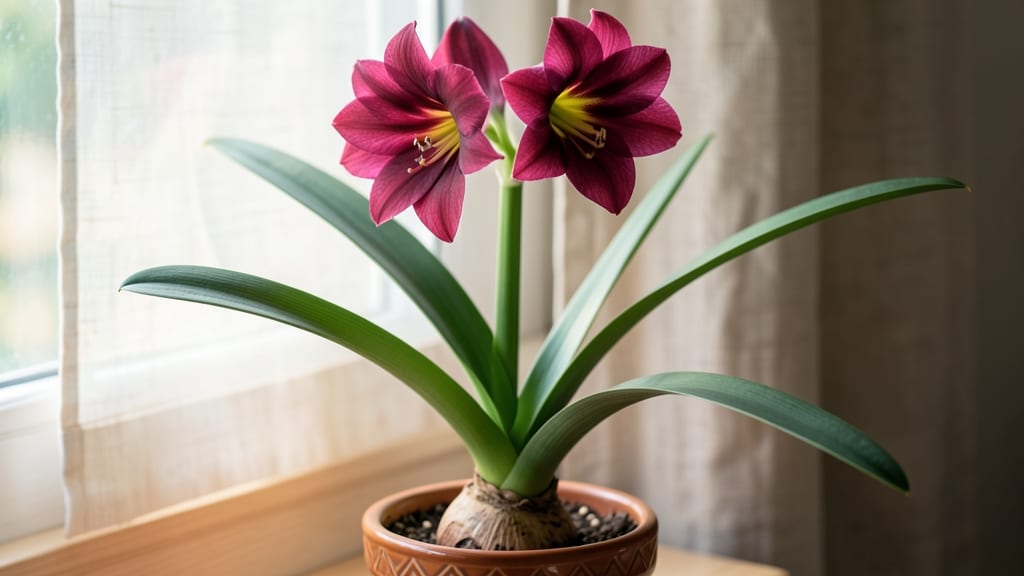
How to trigger amaryllis flowering in 8 weeks: the science-backed process
Amaryllis bulbs are masters of delayed gratification—naturally blooming in winter or early spring when days grow short. But with the right light tricks and temperature control, you can coax them into flowering in just 8 weeks, even indoors.
The secret lies in mimicking their natural dormancy cycle while pushing them into active growth at the perfect moment.
Most gardeners fail because they skip the critical 6-8 week pre-bloom period where the bulb stores energy. Without this step, your amaryllis will either produce leaves only or refuse to bloom altogether.
I’ve forced dozens of amaryllis to flower early using this exact method—here’s how to replicate it in your home.
🌱 8-Week Amaryllis Flowering Timeline
- Week 1-2: Break dormancy by soaking bulb in lukewarm water for 8 hours, then plant in well-draining soil (60% perlite/sand).
- Week 3-4: Place in cool room (55-60°F) with bright indirect light (east/west window). Water when top 1 inch of soil dries.
- Week 5-6: Move to warm spot (70-75°F) with 12+ hours of light (use grow lights if needed). Fertilize with balanced 10-10-10.
- Week 7-8: Watch for 12-inch flower stalk—once buds form, reduce water slightly to prevent stalk collapse.
Start by selecting a healthy amaryllis bulb—look for firm, papery skins and no soft spots. If your bulb arrived dormant, soak it in room-temperature water for 8 hours before planting. This kickstarts root growth without shocking the bulb. Use a 6-inch pot with drainage holes to prevent rot.
The cool phase (55-60°F) is non-negotiable—this mimics winter conditions and signals the bulb to stop leaf growth and focus on flower development. Place your pot near an unheated window or basement corner. If your home stays warm, a cool basement or garage works perfectly for this phase.
At week 5, the magic happens when you move your amaryllis to a warm, bright location. This temperature shift tricks the bulb into thinking spring has arrived.
Use a south-facing window or grow lights for 12+ hours daily. Without enough light, your plant will stretch toward the window (etiolation) and produce weak stems.
Fertilizing at week 5 with a balanced 10-10-10 formula gives your amaryllis the phosphorus boost it needs for flower bud formation. Use half-strength fertilizer to avoid burning the roots. Over-fertilizing here can lead to leafy growth instead of blooms, so moderation is key.
By week 7, you should see a 12-inch flower stalk emerging. This is your cue to reduce watering slightly—let the top 2 inches of soil dry between waterings. Overwatering now causes the stalk to flop or rot, ruining your blooms just before they open.
When buds appear, place your amaryllis in a stable, draft-free spot. These flowers are light-sensitive—direct sunlight can scorch petals, while too little light causes buds to fail to open. A west-facing window in the afternoon is ideal for the final bloom phase.
Once flowers fade, don’t toss the bulb! Let the foliage die back naturally (about 6-8 weeks post-bloom), then repeat the process. With proper care, a single amaryllis bulb can re-bloom for years, giving you winter cheer annually.
🌸
Common mistakes that delay or prevent amaryllis flowering (and how to fix them)
Even with the perfect 8-week flowering timeline, many amaryllis growers hit roadblocks that prevent blooms. The most common culprit? Overwatering during critical growth phases. I’ve seen healthy bulbs rot from the bottom up simply because owners treated them like houseplants instead of water-sensitive perennials.
Watering too soon after planting or during dormancy disrupts the bulb’s energy storage, leaving it too weak to produce flowers.
Another frequent mistake is skipping the cool phase. Amaryllis bulbs need a 6-8 week rest at 55-60°F to trigger flower production. Without this, your plant will focus all its energy on leaf growth, leaving no reserves for blooms.
Even if you’ve followed the timeline perfectly, a warm winter or inconsistent temperatures can derail your progress.
⚠️ Flowering Time Killer Alert!
3 Critical Mistakes that sabotage amaryllis flowering time:
- 💧 Overwatering after planting causes root rot, starving the bulb of energy for blooms.
- ☀️ Too much direct sun scorches buds before they open, wasting your 8-week effort.
- ❄️ Missing dormancy forces continuous leaf growth, preventing flower stalk formation.
Fix: Water only when soil is bone-dry, use east/west windows, and enforce 6 weeks of cool temps before blooming.
Light conditions also play a surprising role in delayed flowering. While amaryllis needs bright indirect light, many growers place them in dim corners or under harsh midday sun. Both extremes stress the plant. Dim light causes etiolation—elongated, weak stems that flop before blooming.
Meanwhile, direct sun burns delicate buds, causing them to fail to open or drop prematurely. The solution? Position your plant 2-3 feet from an east or west window for gentle morning or afternoon light.
Nutrient imbalances are another hidden villain. Using high-nitrogen fertilizer (like lawn food) encourages lush leaves but blocks flower production. Amaryllis needs phosphorus-rich fertilizer (like 10-10-10) during the 6-week pre-bloom phase to trigger flower buds.
I’ve seen amaryllis with foot-long leaves but no blooms simply because owners used the wrong fertilizer. Always choose a balanced formula and apply it only after the cool phase.
Finally, improper pot size can delay or prevent flowering. Amaryllis bulbs need snug pots—too much space means the bulb wastes energy filling the container instead of storing reserves for blooms.
Use a 6-inch pot that’s only 1-2 inches wider than the bulb itself. If you repot, do it after flowering when the bulb is dormant, not during the critical growth phase.
To revive a non-blooming amaryllis, start by adjusting your watering schedule: let the top 2 inches of soil dry between waterings. Then, move it to a cooler spot (55-60°F) for 6 weeks to reset its cycle.
Add a phosphorus boost with half-strength 10-10-10 fertilizer, and place it near an east-facing window. With these fixes, even leaf-only amaryllis can produce stunning blooms in just 8-10 weeks.
🌷