
Diseases
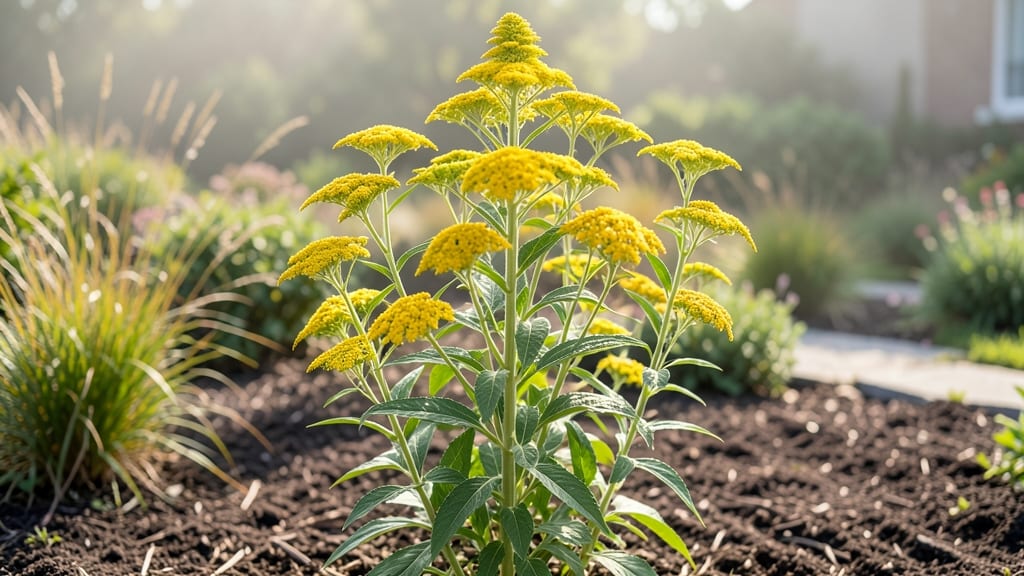
That bright, cheerful yellow flower stalk you’ve been admiring suddenly turns brown—what’s going on? This isn’t just an aesthetic issue; it’s your plant’s way of signaling stress, whether from overwatering, hidden pests, or nutrient starvation.
Don’t toss your 🌼 Goldenrod just yet—most of these problems have quick fixes. I’ll walk you through the most common causes and step-by-step solutions to revive those stalks before it’s too late. Let’s get your plant back to its vibrant best in no time.
You’ll learn how to spot the early signs of trouble, adjust your care routine, and even prevent future browning. Whether it’s a simple watering tweak or a deeper issue like fungal infection, we’ve got you covered with easy, actionable tips that work for gardeners at every level.
Ready to save your plant? Let’s dive into the root causes and turn that brown stalk back into a showstopper—without losing any more blooms in the process.
Why your yellow flower stalk is turning brown (root causes)
When your yellow flower stalk starts turning brown, it’s often a cry for help from your plant. This common issue can stem from several underlying problems, each requiring a different approach to fix. The good news?
Most of these causes are easily identifiable once you know what to look for. Let’s break down the most frequent reasons behind this discoloration so you can diagnose and treat your plant effectively.
First, consider your watering habits. Both overwatering and underwatering can cause brown stalks, but they present differently. Overwatered plants often develop mushy, brown stems and yellowing leaves, while underwatered plants show crispy, dry brown edges. Pay attention to the soil moisture and texture—this is your first clue.
Fungal infections like powdery mildew or botrytis blight are another top culprit. These diseases thrive in damp conditions and leave behind fuzzy growths or dark spots on stems. If you notice these symptoms, act quickly to prevent the infection from spreading to other parts of your plant or garden.
Don’t overlook nutrient deficiencies, particularly a lack of magnesium or potassium. These deficiencies often manifest as brown or yellow patches on leaves and stalks.
A simple soil test can reveal what your plant is missing, allowing you to amend the soil with the right fertilizers for a swift recovery.
Environmental stressors, such as extreme heat, cold snaps, or high winds, can also cause flower stalks to brown. Plants like Goldenrod (🌼) are hardy but still vulnerable to sudden changes. Observe your plant’s surroundings—these factors can sometimes be the simplest yet most overlooked causes of browning.
| Root Cause | Visual Symptoms | Common Plants Affected | Quick Fix |
|---|---|---|---|
| Overwatering | Mushy, brown stems; yellow leaves; possible mold | Goldenrod, Dahlias, Petunias | Reduce watering; improve drainage |
| Underwatering | Crispy, dry brown edges; wilting; soil pulls away from pot | Marigolds, Sunflowers, Zinnias | Water deeply; mulch to retain moisture |
| Fungal Infection | Fuzzy white/gray growth; dark spots; brown patches | Roses, Hydrangeas, Snapdragons | Apply fungicide; prune affected areas |
| Nutrient Deficiency | Brown/yellow patches; weak growth; slow blooming | Goldenrod, Lavender, Coneflowers | Add balanced fertilizer; test soil pH |
| Environmental Stress | Brown tips; stunted growth; leaf scorch | All sun-loving flowers | Adjust sunlight; protect from wind |
If your flower stalks are browning due to overwatering, the first step is to adjust your watering schedule. Let the top inch of soil dry out between waterings, and ensure your pots have drainage holes.
If the problem persists, consider repotting your plant in a well-draining soil mix to prevent root rot from setting in.
For underwatering, the fix is equally straightforward but requires a shift in routine. Water your plants deeply in the morning to give roots time to absorb moisture before the heat of the day.
Mulching around the base of your plants can also help retain soil moisture and keep roots cool, which is especially helpful during hot summer months.
When fungal infections are to blame, act fast to prevent the spread. Remove any severely affected stalks or leaves and dispose of them in the trash—not the compost. Apply a copper-based fungicide or a natural remedy like neem oil to protect your plant and keep the infection from worsening.
If you suspect a nutrient deficiency, a soil test is your best friend. Many garden centers offer affordable testing kits, and the results will tell you exactly what your soil is missing.
For Goldenrod (🌼) and similar plants, a balanced fertilizer with equal parts nitrogen, phosphorus, and potassium can work wonders in restoring health to your browning stalks.
Finally, environmental stressors like heat waves or cold drafts can cause browning without any other obvious symptoms. If your plant is suddenly struggling, check its location. Move potted plants to a more sheltered spot, and consider providing shade cloth during extreme heat to protect delicate stalks from sun damage.
By identifying the root cause early, you can take targeted action to revive your plant and prevent further damage. The key is to act quickly—whether it’s adjusting your watering habits, treating a fungal infection, or amending your soil.
Your yellow flower stalks will thank you with vibrant blooms all season long!
Step-by-step fixes for brown flower stalks (by cause)
Brown flower stalks on your Goldenrod or other plants aren’t just an eyesore—they’re a cry for help. The good news? Each cause has a targeted fix. Let’s tackle the most common issues with clear, actionable steps to bring those stalks back to life.
First, identify the problem: Is it overwatering, nutrient deficiency, or perhaps fungal infection? Once you know the root cause, you can apply the right solution. I’ll guide you through each scenario with step-by-step instructions to restore your plant’s health.
🌱 Step-by-Step Fixes for Brown Flower Stalks
-
1. Overwatering Fix:
- Stop watering immediately and let the soil dry out completely.
- Repot the plant in well-draining soil mixed with perlite or sand.
- Water only when the top 1-2 inches of soil are dry.
-
2. Nutrient Deficiency Fix:
- Apply a balanced fertilizer (5-10-10) at half-strength.
- Add compost or worm castings to enrich the soil.
- Water deeply after fertilizing to avoid root burn.
-
3. Fungal Infection Fix:
- Prune affected stalks 1 inch below the browned area with sterilized shears.
- Apply a copper fungicide or baking soda spray (1 tsp baking soda + 1 quart water).
- Improve air circulation by thinning dense foliage.
-
4. Environmental Stress Fix:
- Move the plant to a shadier spot if it’s getting too much direct sun.
- Protect from strong winds or cold drafts.
- Mulch the base to regulate soil temperature.
For overwatered plants, the key is patience. Let the soil dry out completely before resuming watering. I’ve seen plants bounce back within 2-3 weeks once the roots get a chance to recover. Always use pots with drainage holes to prevent future issues.
If nutrient deficiency is the culprit, a quick soil test can reveal what’s missing. My Goldenrods love a light feeding in spring with a 5-10-10 fertilizer. Just remember: too much fertilizer can burn roots, so always dilute it.
When dealing with fungal infections, act fast. Remove infected stalks immediately and sterilize your tools with rubbing alcohol. A mix of 1 part hydrogen peroxide to 3 parts water can also help disinfect the soil.
Finally, don’t overlook environmental factors. Even the hardiest plants struggle with extreme conditions. Adjusting light exposure or adding mulch can make a world of difference. Once you’ve applied these fixes, monitor your plant closely for signs of improvement.
With these targeted solutions, your brown flower stalks will be on their way to recovery. Keep an eye out for new growth—it’s the best sign that your plant is healing! 🌿