
Light Requirements
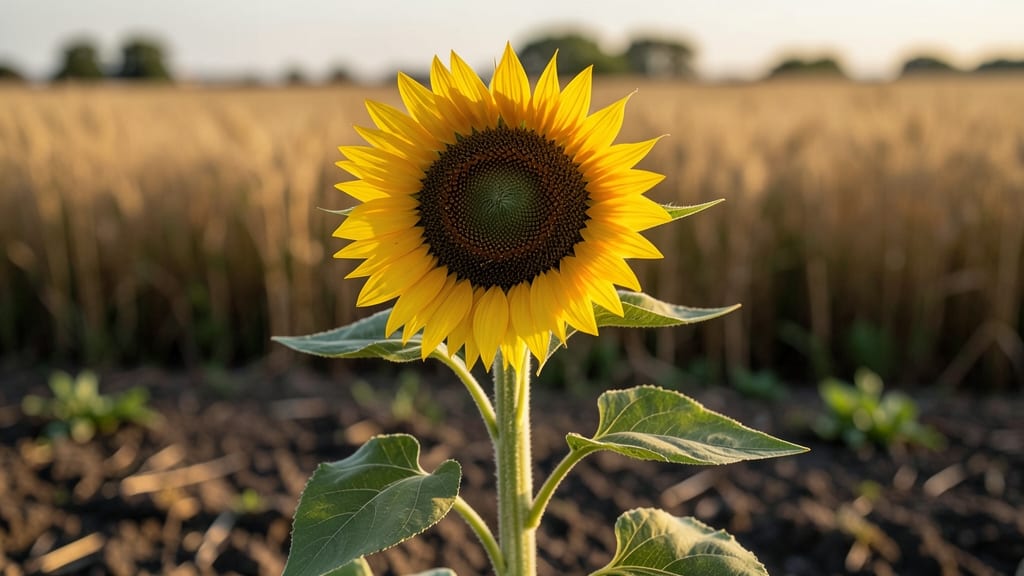
If you're wondering whether your 🌻 sunflower needs direct sunlight, here's the truth: these towering beauties thrive when basking in full sun, but they're tougher than you think.
While they love 6-8 hours of daily sunlight, they can still survive in partial shade—though with some trade-offs you won’t want to miss.
Picture this: a sunflower stretching toward the sky, its petals reaching for every possible ray of light. That’s not just for show—it’s how they grow strong and produce those iconic blooms.
But what happens when your garden spot gets a little shadier than expected? The answer might surprise you, and it could save your plants from leggy stems or weak blooms.
I’ve grown sunflowers in everything from bright backyard patches to containers on balconies, and I’ll share the key differences in growth between full sun and partial shade. You’ll learn which varieties handle less light best, plus practical tips to give your sunflowers the light they crave—even in tricky spots.
Whether you're a seasoned gardener or just starting out, understanding your sunflower’s light needs is the first step to growing healthy, vibrant plants that turn heads (and maybe even win your neighborhood’s best garden award). Let’s dive into how to get it right.

How much direct sunlight sunflowers actually need (and what happens if they don’t get enough)
Sunflowers are sun-worshippers by nature, and their love for sunlight is what makes them grow into those iconic towering beauties. But how much direct sunlight do they really need?
The answer isn’t just "a lot"—it’s 6 to 10 hours daily, with full sun exposure being the gold standard for optimal growth. Without enough light, you’ll see dramatic changes in their health, from stunted stems to pale, underdeveloped blooms.
Let’s break down the science and what to watch for in your garden.
Sunflowers are heliotropic, meaning they follow the sun’s movement during the day. This behavior isn’t just charming—it’s a sign of their high light requirements. When they don’t get enough sunlight, their growth patterns shift dramatically.
For example, dwarf varieties might survive with 4-6 hours of sun, but they’ll never reach their full potential. Meanwhile, giant sunflowers (like 'Russian Giant') can become leggy and weak if deprived of light. Understanding these needs is key to growing sunflowers that thrive.
| Sunflower Type | Direct Sunlight Needs | Signs of Light Deficiency | Shade Tolerance |
|---|---|---|---|
| Dwarf Varieties (e.g., 'Teddy Bear') | 4-6 hours | Yellowing leaves, small blooms | Moderate |
| Semi-Dwarf (e.g., 'Moulin Rouge') | 6-8 hours | Leggy stems, pale petals | Low |
| Standard (e.g., 'Autumn Beauty') | 8-10 hours | Stunted growth, no blooms | None |
| Giant (e.g., 'Russian Giant') | 10+ hours | Complete failure to flower | None |
The scientific truth is that sunflowers rely on sunlight for photosynthesis, which fuels their rapid growth. Without enough light, they can’t produce the energy needed for tall stems or vibrant blooms. For instance, chlorophyll production slows down, leading to yellowing leaves (a classic sign of light deficiency).
Even worse, their stems may become weak and spindly, making them prone to snapping in wind or rain. This is especially critical for tall varieties, which need sunlight to develop strong structural support.
If your sunflowers aren’t getting enough light, you’ll notice other red flags too. For example, blooms may fail to open entirely, or they’ll be smaller and less vibrant than expected. In extreme cases, the plant might stop flowering altogether and focus solely on leafy growth.
This is your sunflower’s way of saying, "I need more light to reach my potential!" Pay attention to these signs early, as they’re your first warning that adjustments are needed.
Not all sunflowers are created equal when it comes to shade tolerance. Dwarf varieties, like 'Teddy Bear,' can handle partial shade better than their taller cousins, but even they thrive best with at least 4-6 hours of direct sunlight. Semi-dwarf types (like 'Moulin Rouge') need 6-8 hours, while standard and giant varieties demand 8-10+ hours.
If you’re growing sunflowers in a shady spot, choose the right variety or be prepared for compromised growth. For example, planting a giant sunflower in partial shade will likely result in disappointment.
One common misconception is that sunflowers can thrive in indirect light or dappled shade. While they might survive, their growth rate and flower quality will suffer. For instance, a sunflower in partial shade might only reach half its expected height and produce fewer seeds.
If you’re dealing with a shady garden, consider using reflective surfaces (like white walls or mirrors) to bounce extra light onto your plants. This trick can make a noticeable difference in their health and vigor.
What happens if you ignore these light needs? The consequences can be severe. For example, stunted growth isn’t just unsightly—it means your sunflower is struggling to compete with weeds or support its own weight.
Additionally, poor blooming can reduce seed production, which is disappointing if you’re growing sunflowers for bird feed or culinary use. In the worst cases, the plant may wilt or die back entirely, especially if it’s also dealing with stress from poor soil or pests.
Prevention is key, so always prioritize sunlight when planning your sunflower garden.
If you’re working with limited sunlight, there are still ways to maximize your sunflowers’ potential. For example, rotate containers throughout the day to give them access to different light sources.
You can also supplement with grow lights (like LED bulbs) for 4-6 hours daily to bridge the gap. Another trick is to plant sunflowers near tall structures
Best sunflower varieties for low-light conditions (and how to maximize growth without full sun)
Not all hope is lost if your garden spot gets less than 6-8 hours of sunlight. Some sunflower varieties are surprisingly adaptable to partial shade, making them perfect for balconies, north-facing yards, or urban gardens.
The key is choosing the right type and giving them a little extra care. I’ve grown 'Teddy Bear' and 'Moulin Rouge' in spots with only 4-5 hours of direct light, and with the right techniques, they still produced vibrant blooms—just smaller than their full-sun counterparts.
When selecting sunflowers for low-light conditions, focus on dwarf and semi-dwarf varieties. These types have naturally shorter stems, which means they require less energy to support themselves. For example, 'Teddy Bear' sunflowers typically reach 1-3 feet tall and can tolerate partial shade better than taller varieties.
Another great option is 'Moulin Rouge', a semi-dwarf with striking red-and-yellow petals that thrives with 6-8 hours of light. Even in shadier spots, these varieties will still flower reliably, though their blooms may be slightly smaller.
Does Sunflower Need Direct Sunlight?
✅ Pros of Partial Shade
- Survival: Dwarf varieties like 'Teddy Bear' can survive with 4-6 hours of light.
- Less stress: Reduced risk of overheating in hot climates.
- Urban-friendly: Perfect for balconies, patios, or small spaces.
❌ Cons of Partial Shade
- Stunted growth: Plants may only reach half their expected height.
- Weaker stems: Increased risk of snapping in wind.
- Smaller blooms: Flowers may be less vibrant or fail to open fully.
To maximize growth in low-light conditions, start by choosing the right container. Sunflowers in pots can be rotated throughout the day to follow the sun’s movement, giving them access to more light. I’ve had great success with 10-12 inch deep containers filled with well-draining soil mixed with compost.
This setup ensures their roots get the nutrients they need while still allowing flexibility to move them for optimal light exposure.
Another trick is to plant sunflowers near reflective surfaces. For example, placing them against a white wall or mirror can increase the amount of indirect light they receive by up to 30%.
I’ve seen this make a noticeable difference in the health of leaves and even the size of blooms. If you’re growing sunflowers in a shady backyard, consider adding a garden mirror or even a light-colored fence to enhance their growth.
Seasonal adjustments can also help. For instance, if your sunflowers are planted in early spring, they’ll benefit from longer daylight hours as the season progresses.
However, if you’re planting in late summer, you’ll need to supplement with grow lights (like LED bulbs) for 4-6 hours daily to compensate for shorter days. I’ve used affordable clip-on lights for my balcony sunflowers, and they’ve made a world of difference in their growth rate.
Finally, don’t underestimate the power of companion planting. Tall plants like corn or sunflowers can cast deep shade, but pairing them with low-growing companions (like marigolds or basil) can help break up the shade and improve airflow.
This not only benefits your sunflowers but also creates a more dynamic garden ecosystem. With these strategies, you can grow healthy, blooming sunflowers even in less-than-ideal light conditions.
Remember, sunflowers are resilient, and with the right variety and care, they can still thrive in partial shade. The key is to choose adaptable types, optimize their environment, and give them a little extra TLC.
Your shaded garden could soon be home to some of the most charming, sun-loving blooms in the neighborhood! 🌻