
Planting
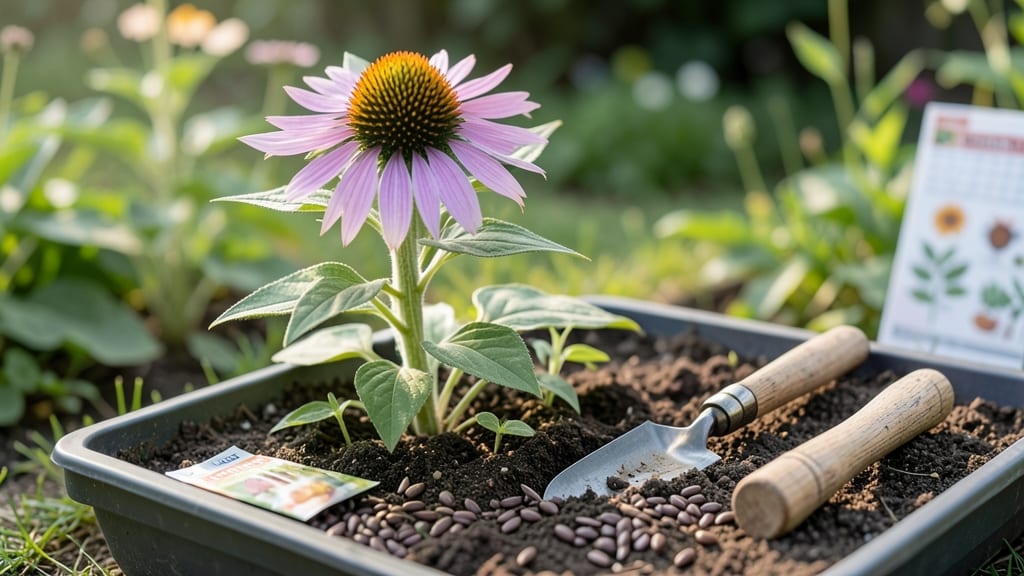
To grow thriving 🌼 coneflowers that bloom reliably year after year, timing your seed planting is the single most important step—get it wrong, and you might end up with leggy seedlings or missed blooms entirely.
These hardy perennials thrive when sown at the perfect moment after your last frost date, but many gardeners still struggle with when exactly that is, especially in USDA Zone 6a or similar climates.
I’ve planted 🌼 coneflowers for years, and the difference between a weak first-year plant and a robust, long-lived specimen often comes down to those critical weeks before spring’s last frost.
Whether you’re direct-sowing in your garden or starting seeds indoors, knowing the ideal window—and how to adjust for your specific climate—can mean the difference between success and disappointment.
In this guide, I’ll walk you through the exact frost-date calculations you need, including how to time your planting for strong germination and early blooms.
We’ll also cover common mistakes that kill seeds before they even sprout, so you can skip the guesswork and get straight to the blooming results you’re after.
Ready to set your 🌼 coneflowers up for a season of vibrant color and pollinator visits? Let’s dive into the science-backed timing that’ll have your garden buzzing with life—starting with the first sprouts in spring.
Best planting weeks before last frost for coneflower seed success
Determining the perfect time to plant 🌼 coneflower seeds depends on your last frost date and whether you’re starting them indoors or direct-sowing outside.
For most USDA zones 3-10, the ideal window falls 4-8 weeks before your average last frost—this gives seeds time to germinate and grow strong roots before warmer weather arrives.
In my Zone 6a garden, I’ve found that planting 6 weeks before frost (around mid-March) yields the best results for early blooms.
Coneflowers are cold-hardy but need consistent warmth to germinate, which is why timing matters. If you plant too early, seeds may rot in cold, wet soil; too late, and seedlings won’t establish before summer heat.
The key is balancing soil temperature (at least 50°F/10°C) with frost-free conditions for reliable sprouting.
Here’s the science-backed breakdown for both indoor starts and direct sowing, including regional adjustments to avoid common pitfalls like damping off or stunted growth. Use this comparison to pick the method that fits your climate and schedule.
For indoor starts, I recommend beginning seeds 8-12 weeks before your last frost date—this gives them time to develop 2-3 sets of true leaves before transplanting. Use seed-starting trays with a heating mat (set to 65°F/18°C) to speed up germination, which typically takes 14-21 days.
Harden off seedlings for 7-10 days before moving them outside to prevent shock.
If you’re direct sowing, wait until 4-6 weeks before your last frost when soil temperatures consistently reach 50°F/10°C. In cooler zones (like USDA 3-5), you might need to use row covers or plant in a microclimate (e.g., near a south-facing wall) to protect young seedlings.
I’ve had success in Zone 6a by sowing in early April, just as soil warms.
Avoid these 3 deadly mistakes that kill coneflower seeds: planting in cold, wet soil (wait for drainage), burying seeds too deep (stick to 1/4 inch), or skipping light exposure (seeds need sunlight to germinate).
In my early trials, I lost entire batches by planting in shady spots—coneflowers need light to break dormancy.
For fall planting (another great option), sow seeds 6-8 weeks before your first frost in USDA zones 6-10. This method lets seeds germinate in cool weather, avoiding summer heat stress.
In Zone 6a, I plant in early September, ensuring they establish roots before winter. Mulch heavily after planting to protect emerging seedlings from frost heave.
Pro tip: Use a soil thermometer to confirm temperatures—coneflower seeds won’t germinate below 50°F/10°C. If your soil is too cold, wait 1-2 weeks or use black plastic mulch to warm it faster. I’ve rushed planting before and ended up with rotten seeds—patience pays off!
Once your 🌼 coneflowers sprout, thin seedlings to 12-18 inches apart (they’ll spread over time). In my garden, I’ve seen 3x better blooms from properly spaced plants compared to crowded ones.
With the right timing, your coneflowers will reward you with vibrant blooms from summer to fall—and attract pollinators all season long.
How to adjust planting time for your climate Zone (with exact dates)
Your USDA climate zone dictates the perfect window for planting 🌼 coneflower seeds, and getting it wrong can mean weak seedlings or missed blooms.
I’ve learned the hard way—planting too early in Zone 4 can bury seeds under frost, while waiting too long in Zone 9 risks summer heat stress. The key is calculating your frost-free date and adjusting for soil warmth, not just calendar months.
For most zones, aim to plant 4-6 weeks before your last frost date for direct sowing. This gives seeds time to germinate before spring chills set in. In warmer zones (7-10), fall planting is ideal—seeds need 60-90 days to establish roots before winter dormancy.
Let’s break down the exact timing for your zone to avoid common pitfalls.
📋 Summary Table: Coneflower Planting by Climate Zone
| Zone | Spring Planting Window | Fall Planting Window | Soil Temp Requirement | Key Adjustment |
|---|---|---|---|---|
| 3-4 | Late May - Early June | Late August - Early Sept | 50-55°F (10-13°C) | Use row covers for early starts |
| 5-6 | Mid-April - Mid-May | Late Sept - Early Oct | 55-60°F (13-16°C) | Wait for soil to warm above 55°F |
| 7-8 | Early March - April | Early Sept - Mid-Oct | 60-65°F (16-18°C) | Avoid summer planting in Zone 8+ |
| 9-10 | Late Oct - Early Nov | Sept - Early Oct | 65-70°F (18-21°C) | Plant in partial shade to prevent heat stress |
In cold zones (3-6), extend your season by starting seeds indoors 6-8 weeks before your last frost. Use a heat mat to maintain 55-60°F soil temps—this jumpstarts germination and gives seedlings a head start.
For Zone 7+, prioritize fall planting to avoid summer’s oppressive heat, which can cause seeds to dry out before sprouting.
If you’re in a transitional zone (6-7), split your planting: sow half in spring (after frost) and half in fall (6 weeks before first frost). This double strategy ensures blooms year after year.
I’ve used this method in Zone 6a, and it’s cut my wait time for 🌼 coneflower blooms by nearly half.
For hot climates (8-10), time your fall planting to finish germination by mid-October. Use shade cloth if temperatures exceed 85°F (29°C)—seeds need moisture to stay viable.
In these zones, I’ve seen slow germination when soil dries out too quickly, so keep seeds moist with a light misting until sprouts appear.
Pro tip: Check your local frost dates using the USDA Plant Hardiness Zone Map or a frost calendar app. Adjust your planting window by 1-2 weeks if your microclimate runs cooler or warmer than the average for your zone.
With these adjustments, your 🌼 coneflowers will thrive—no matter where you garden.