
Plants
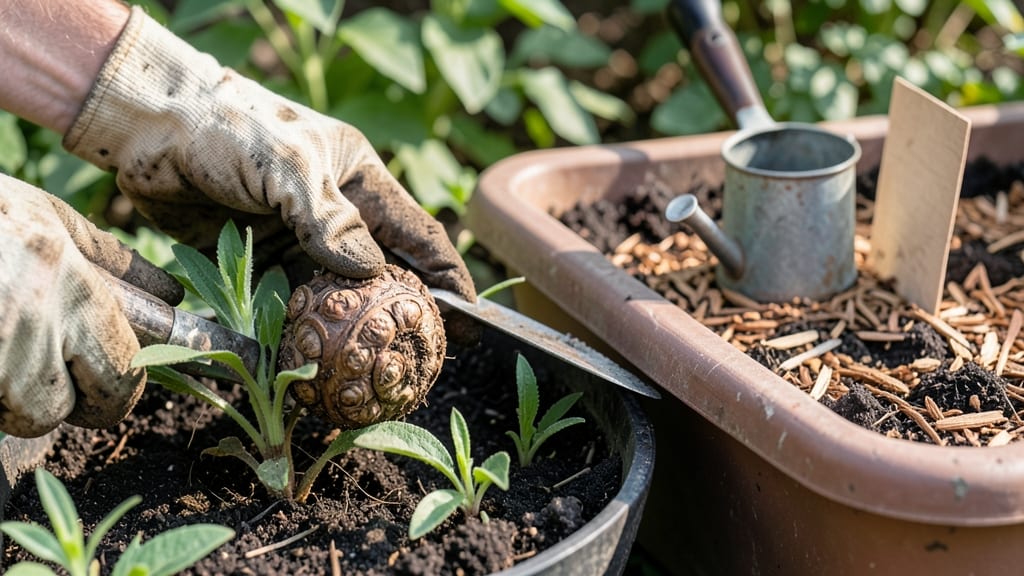
Planting coneflower bulbs at the wrong time could mean the difference between a vibrant spring display of 🌼 and wasted effort. Unlike many flowers, coneflowers thrive when planted in early fall—giving their roots time to establish deep before winter's first frost in zones like 6a.
Most gardeners assume spring is the only planting window, but fall offers a critical advantage: cooler soil temperatures reduce rot risk while allowing bulbs to grow strong roots before dormancy. This is especially true for those in USDA Zone 6a, where timing can make or break your plants.
I’ve learned the hard way that rushing planting or waiting too late leads to weak growth—or worse, bulbs that never sprout. The key lies in planting 4-6 weeks before your first frost date, typically in September or early October for most regions.
Ready to avoid common mistakes? I’ll walk you through the exact soil prep, spacing, and care steps to ensure your coneflowers bloom bigger and brighter next year. Let’s get those bulbs in the ground the right way.
Optimal fall planting windows by US hardiness Zone
Fall planting gives coneflowers a head start on root growth before winter, but timing varies dramatically across USDA hardiness zones 3-9. The golden rule? Plant 4-6 weeks before your first frost date—this ensures roots establish without rotting in cold soil.
For example, in Zone 5, that’s early September, while Zone 9 gardeners can wait until November. Let’s break it down by zone so you never miss the window.
First, find your average first frost date (check the USDA Plant Hardiness Zone Map or local weather reports). Then subtract 6 weeks—that’s your last planting date. For instance, if frost hits November 15, aim to plant by October 1.
Pro tip: Use a soil thermometer to confirm soil temps are below 60°F (15°C)—this signals roots will slow but not freeze.
Here’s the critical detail: Coneflowers are not bulb plants—they grow from seeds or transplants, not true bulbs like tulips. However, the same fall planting principles apply for establishing strong roots.
If you’re planting seeds, start them indoors 8-10 weeks before last frost for transplanting. For transplants, follow the 4-6 week rule to avoid shock.
Regional adjustments matter! In Zone 3 or 4, where winters are harsh, plant earlier (August-September) to avoid early frosts. In Zone 7-9, mild winters let you plant through November.
Coastal areas may extend windows by 2-4 weeks due to moderating ocean breezes. Always check local microclimates—valleys freeze faster than hillsides.
Why fall? Cooler temps reduce stress on roots, and consistent moisture (from autumn rains) helps establishment. Spring planting works too, but fall-grown coneflowers often bloom earlier and produce more flowers the first year. The trade-off? Fall-planted coneflowers need extra mulch (3-4 inches) to insulate roots through winter.
⚠️ Common mistake: Planting too late in Zone 5-6 (after October 15) risks root rot if soil stays warm. Test with your finger—if soil 1 inch deep feels cold but workable, it’s time. Overwatering at this stage is another pitfall; aim for moist but not soggy soil.
Adjust for elevation changes: Every 1,000 feet higher adds 3-5 days to frost risk. For example, a Zone 6 garden at 5,000 feet might need to plant by September 1 instead of October 1.
Mountain gardeners should also choose early-blooming varieties like Echinacea purpurea 'Magnus', which tolerates shorter growing seasons.
If you miss fall, don’t panic! Plant in early spring as soon as soil is workable (usually 2-4 weeks before last frost). Just be ready to water deeply and protect from late frosts with row covers. Spring-planted coneflowers may bloom 2-3 weeks later but still thrive with proper care.
For container gardening, fall planting works too—just use larger pots (12+ inches) and plant 2 weeks earlier than in-ground dates. Containers dry out faster, so add water-retaining granules to the soil mix.
Move pots to a protected location (like a garage or under eaves) if temps drop below 20°F (-7°C).
Remember: Healthy roots = vibrant blooms. By following your zone’s window, you’ll set your coneflowers up for years of low-maintenance beauty—with minimal effort from you. Happy
5 Signs your coneflower bulbs are ready for fall planting
Planting coneflower bulbs at the wrong time can mean the difference between a thriving garden and wasted effort. Since coneflowers grow from transplants or seeds (not true bulbs), the key is ensuring your soil and climate conditions align with their needs.
Here’s how to tell when it’s time to plant for maximum root establishment before winter.
First, check your local frost dates—planting 4-6 weeks before the first frost gives roots time to grow without freezing. But don’t rely on dates alone. Look for these 5 clear signs that your coneflowers are ready for fall planting, even if your zone’s window feels uncertain.
- 1
- 2
- 3
- 4
- 5
Once you’ve confirmed these signs, it’s time to plant! Dig holes twice as wide as the root ball and 1 inch deeper than the transplant’s base. Space coneflowers 18-24 inches apart for full sun exposure—this prevents overcrowding and ensures vibrant blooms next year.
After planting, water deeply to settle soil around roots. Then, apply 3-4 inches of mulch (straw or shredded leaves) to retain moisture and insulate roots. This step is critical in Zone 6a, where winter temps can fluctuate wildly.
Watch for yellowing leaves or wilted stems after planting—these are red flags for overwatering or frost damage. Adjust care immediately to avoid root stress. With the right timing, your coneflowers will reward you with bold, long-lasting blooms from early summer onward.