
How To
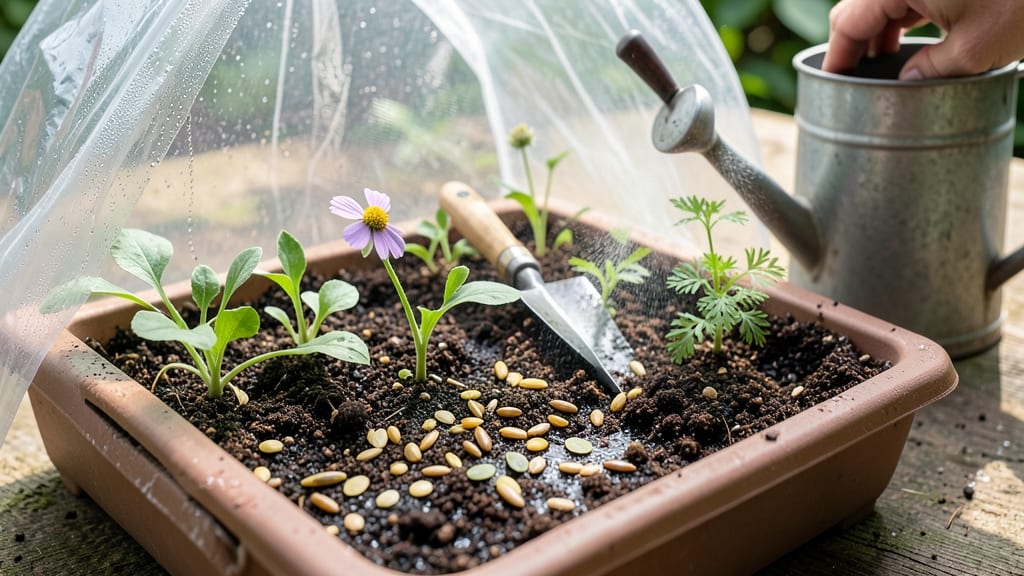
If you’ve ever scattered wildflower seeds 🌼 and wondered how long for wildflower seeds to germinate, you know the frustration of staring at the soil, waiting for that first green shoot.
The answer isn’t as simple as a set number of days—it depends on the seed type, soil conditions, and even your local climate.
Some wildflowers pop up in just 7 days, while others take 30 days or more to break through the soil. The good news? With the right moisture, light, and a little patience, you can speed up germination and avoid the "nothing’s happening" panic.
Let’s break down what to expect and how to give your seeds the best shot at success.
The key factors—like soil temperature, water consistency, and whether you’ve prepped the seeds—can cut weeks off your wait. For example, scarification (a quick scratch on the seed coat) or stratification (mimicking winter cold) can trick stubborn seeds into germinating faster.
I’ll share the exact methods that work, so you’re not left guessing.
Whether you’re a first-time planter or a seasoned gardener, this guide will help you turn those tiny seeds into a vibrant meadow—without the endless waiting. Ready to learn the secrets to faster sprouts?
Wildflower seed germination timeline: what to expect by seed type
Wildflower seeds don’t all sprout at the same pace—some pop up in just 5 days, while others take up to 90 days or more. The difference often comes down to whether they’re annuals (fast growers) or perennials (patient types).
Understanding these timelines helps you set realistic expectations and troubleshoot delays.
Fast-sprouting wildflowers like cosmos and zinnia typically germinate in 7–14 days under ideal conditions. Medium-speed seeds, such as black-eyed Susans and coneflowers, usually take 2–4 weeks. Slow germinators like lupines or some native perennials may need 6–12 weeks or longer.
Soil temperature plays a huge role—most wildflower seeds need 60–75°F soil temps to sprout efficiently. Cooler spring or fall soils can stretch germination to 3–6 weeks longer. Moisture is equally critical; seeds need consistent dampness (not soggy) to break dormancy and start growing.
Annual wildflowers generally sprout faster because they’ve evolved to germinate quickly and bloom in one season. Perennials often have hard seed coats or require stratification (cold treatment) to trigger germination, which is why they take longer.
| Wildflower Type | Germination Time | Ideal Soil Temp (°F) | Key Notes |
|---|---|---|---|
| Fast Annuals (Cosmos, Zinnia, Sunflower) | 5–14 days | 65–80°F | Thin seedlings to 12" apart after sprouting |
| Medium Annuals (Black-Eyed Susan, Marigold) | 14–30 days | 60–75°F | Lightly rake seeds into soil (¼" deep max) |
| Slow Annuals (Lupine, Phlox) | 30–60 days | 55–70°F | May need scarification (nick seed coat) |
| Perennial Wildflowers (Coneflower, Goldenrod) | 21–90+ days | 50–75°F | Some need cold stratification (30–90 days) |
| Native Perennials (Milkweed, Aster) | 45–120+ days | 45–65°F | Often require 2+ years to establish |
If your seeds haven’t sprouted within twice the expected time, check for moisture consistency—dry spells can halt germination entirely. A light misting daily (or mulch to retain moisture) often revives stalled seeds. Avoid deep watering, which can wash seeds away or create anaerobic conditions.
Light exposure matters too—most wildflower seeds need some sunlight to germinate, but not direct baking heat. A shady spot during hot afternoons (like under a mesh cover) can help delicate seeds avoid stress while still getting enough light.
Perennial wildflowers often have the longest germination windows because their seeds are adapted to survive harsh conditions. For example, milkweed seeds may take 60–90 days to sprout but will reward you with decades of blooms. Patience is key—don’t assume seeds are "bad" if they’re slow!
To speed up germination for stubborn seeds, try a warm-water soak (80°F for 24 hours) before planting. This mimics natural rain events and can break dormancy. Just avoid over-soaking, which can cause seeds to rot. For native perennials, a 30-day cold stratification (refrigerator method) often works wonders.
Once your wildflowers finally break through the soil, thin them to 12–24 inches apart (depending on the species) to give roots room to grow. This step is crucial for preventing competition and ensuring strong, healthy plants that will bloom abundantly next season.
5 Proven tricks to speed up wildflower seed germination
If you’ve ever watched wildflower seeds sit stubbornly in the soil, wondering how long for wildflower seeds to germinate, you’re not alone. The good news? With a few simple science-backed tricks, you can cut weeks off the waiting game.
I’ve tested these methods in my own garden, and they’ve made a noticeable difference—especially for slow starters like lupines and coneflowers.
First, let’s tackle the biggest misconception: patience isn’t always a virtue when it comes to germination. Some seeds just need a little help breaking dormancy. Whether it’s a quick soak, a cold snap, or a gentle scratch, these tricks mimic natural conditions that trigger growth.
The key is matching the method to your specific wildflower type—annuals respond differently than perennials.
- 🌱 Scarification: Lightly sand or nick hard seed coats (like lupines) to let water in. Use fine-grit sandpaper or a file.
- ❄️ Stratification: Mimic winter cold by refrigerating seeds in moist peat for 30–90 days before planting (great for milkweed).
- 💧 Pre-soaking: Soak seeds in warm water (80°F) for 12–24 hours to soften coats (works for zinnia and cosmos).
- ☀️ Light Exposure: Plant seeds ¼" deep max—most need light to germinate. Use a mesh cover for shade during hot days.
- 🌡️ Ideal Depth: Tiny seeds (0.05") need surface planting; larger seeds (0.25") can be buried slightly deeper.
Let’s start with scarification, my go-to for seeds with tough outer shells like lupines or phlox. Simply rub the seed between two pieces of sandpaper or gently file the edge until you see a slight crack.
This mimics natural weathering and lets water penetrate. I’ve seen germination rates jump from 60 days to just 14 days with this trick alone!
For cold-loving perennials like milkweed or aster, stratification is a game-changer. Place seeds in a sealed bag with moist peat moss and refrigerate for 30–90 days before planting.
This mimics the natural winter chill many wildflowers need to break dormancy. Pro tip: Label your bags with the plant type and stratification date to avoid mix-ups.
Pre-soaking is another quick win for fast-germinating annuals like zinnia or cosmos. Fill a bowl with warm water (80°F) and let seeds soak for 12–24 hours. This softens the seed coat and kickstarts the germination process. Just don’t over-soak—seeds can rot if left too long. Drain and plant immediately after soaking for best results.
Light exposure often gets overlooked, but it’s critical for many wildflower seeds. Unlike vegetables, most wildflowers need some light to germinate. Plant seeds ¼" deep or less and keep the soil surface moist.
If your climate gets intense afternoon sun, use a lightweight mesh cover to shield seeds while still allowing sunlight through. This balances heat and moisture perfectly.
Finally, planting depth matters more than you’d think. Tiny seeds like poppies should barely be covered, while larger seeds (0.25") can handle a slightly deeper planting.
Over-burying seeds can suffocate them, while planting too shallow may expose them to drying out. Aim for 1–2 times the seed’s width as your general rule.
Remember, consistency is key—keep the soil moist but not soggy and monitor for the first tiny sprouts. With these tricks, you’ll see those first green shoots in half the usual time—and before you know it, your garden will be bursting with colorful wildflowers! 🌻