
Shrubs
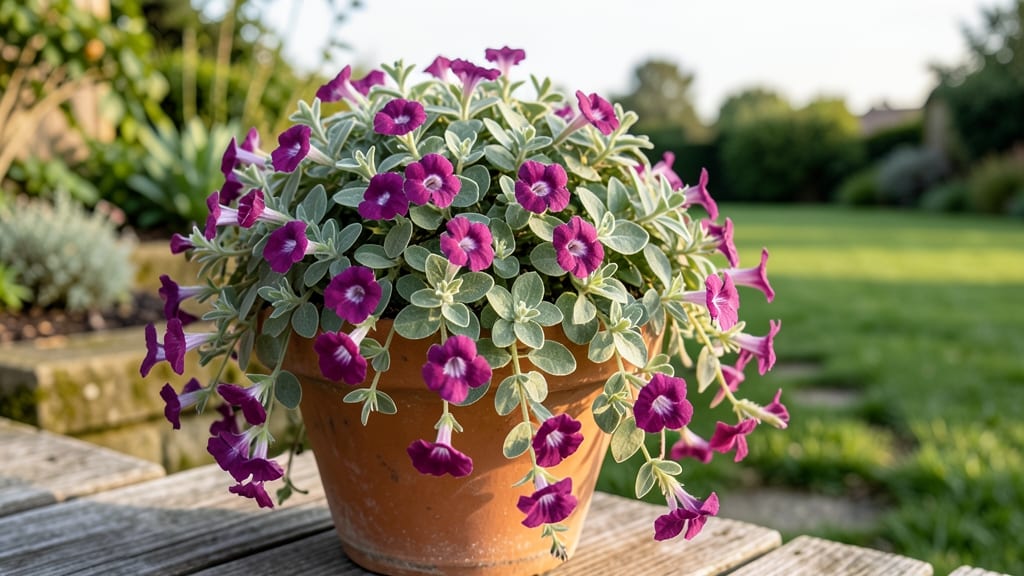
Deciding whether your wishbone flower 🌸 thrives in sun or shade can feel like a guessing game—but the right light balance is the key to those showstopping blooms you’re dreaming of.
This delicate annual loves flexibility, but too much scorching sun or dim shade can leave your plants struggling, with wilted stems or sparse flowers.
If you’ve ever wondered why some wishbone flowers in your garden look vibrant while others barely survive, the answer likely lies in their light exposure.
I’ll break down exactly how much sun or shade your plants need, plus the simple adjustments that make all the difference—whether you’re growing them in containers or garden beds.
From adjusting watering schedules to choosing the perfect spot, this guide covers everything you need to know to keep your wishbone flowers happy year-round. Let’s turn those light struggles into lush, blooming success!
Ready to unlock the secrets? You’ll discover how to spot light stress early, tweak care routines for different conditions, and even pair your wishbone flowers with the best companions for a thriving display.
 Best Window Placement
Wishbone flower light requirements: sun vs shade breakdown for peak blooms
The wishbone flower (Torenia fournieri) is famously adaptable, but its light needs shift dramatically between hot summer days and cooler spring mornings.
While it can handle partial shade to full sun, the key lies in balancing intensity—especially in USDA Zones 6-10 where afternoon heat can scorch delicate foliage. Young plants tolerate morning sun with afternoon shade, while mature specimens can handle 4-6 hours of direct light daily.
In humid climates, wishbone flowers often struggle in full afternoon sun, showing signs like yellowing leaves or drooping blooms. Conversely, deep shade can lead to leggy growth and fewer flowers.
The secret? Mimic their natural habitat—dappled woodland light—by placing them where they get filtered sunlight through trees or on east-facing window sills.
Here’s how to match your wishbone flower’s light needs to your climate and season, plus visual cues to spot when adjustments are needed:
In Zone 6 or cooler, wishbone flowers thrive in partial shade year-round, especially if your winters are cloudy or damp. The 3-4 hours of morning sun they receive is often enough to trigger blooming without risking leaf scorch.
I’ve found that placing them near east-facing windows or under
How to adjust wishbone flower care for different light conditions
The wishbone flower (Torenia) adapts beautifully to varying light conditions, but its care routine must shift with its environment. In full sun, these plants need more frequent watering and occasional shade protection, while partial shade plants thrive with consistent moisture and gentle fertilizer.
Understanding these adjustments prevents common issues like yellowing leaves or leggy growth.
If your wishbone flowers are struggling, it’s often a sign of improper light exposure. Too much sun causes leaf scorch, while too little light leads to sparse blooms.
I’ll show you how to fine-tune watering, fertilizing, and pruning based on your plants’ exact light conditions—plus how to transition them safely between sun and shade without shock.
🌱 Pro Tip: Always monitor your plants for 2-3 weeks after moving them to a new light spot. Adjustments in care should happen gradually to avoid stress.
⚠️ Light Shock Warning
Moving wishbone flowers between sun and shade too quickly causes leaf burn or wilting. Always acclimate plants over 3-5 days by gradually increasing or decreasing light exposure. For example, if transitioning from shade to sun, start with 2 hours of morning sun and extend by 1 hour daily.
Watch for these red flags:
- ✂️ Brown leaf edges = Too much sun
- 🌿 Pale, stretched stems = Too little light
- 💧 Drooping flowers = Watering imbalance from light stress
For full-sun wishbone flowers, water deeply every 2-3 days in hot climates, as the soil dries out faster. Use a light mulch layer (like straw) to retain moisture and protect roots.
In contrast, shade-loving plants only need watering when the top inch of soil feels dry—typically once a week—and prefer a slightly more humid environment.
Fertilizing also changes with light. In bright conditions, feed every 4-6 weeks with a balanced 10-10-10 fertilizer to encourage blooming. For shade-grown plants, reduce feeding to every 8 weeks to avoid leafy growth at the expense of flowers. Always water fertilizer into the soil to prevent root burn.
Pruning is key to maintaining shape and encouraging new growth. In sunny spots, trim back leggy stems after blooming to redirect energy. For shade plants, focus on removing dead flowers and yellowing leaves to improve air circulation.
Use clean, sharp scissors and prune in the morning to allow wounds to heal by evening.
Troubleshooting light-related issues starts with observation. If your wishbone flowers have yellow leaves, they may be getting too much sun—move them to dappled shade and increase watering. For sparse blooms, boost light exposure gradually or switch to a bloom-boosting fertilizer (like 5-10-5).
With these adjustments, your plants will reward you with continuous, vibrant blooms all season long.