
Flowers
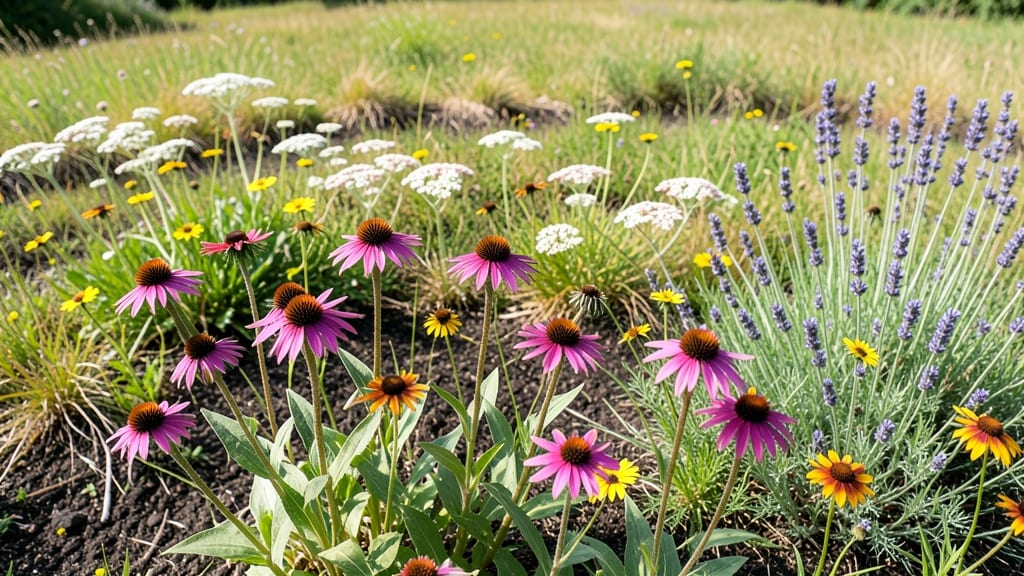
Wildflower sunlight requirements by variety type: full sun vs. partial shade
Choosing the right wildflowers for your garden starts with understanding their sunlight needs. While many wildflowers thrive in full sun (6+ hours daily), others prefer partial shade (3-6 hours).
Matching varieties to your landscape ensures vibrant blooms and healthy growth. Let’s break down the most popular wildflowers by their light requirements to help you design a stunning, low-maintenance garden.
Some wildflowers, like black-eyed Susans and cone flowers, demand full sun to reach their full potential. Others, such as columbines and foxgloves, tolerate partial shade beautifully.
Knowing these distinctions prevents wasted effort and ensures your wildflowers flourish where they’re planted. Let’s dive into the specifics to make your garden planning a breeze.
| Wildflower Variety | Ideal Sunlight Range | Shade Tolerance | Best For |
|---|---|---|---|
| Black-Eyed Susan (Rudbeckia) | 6-8 hours (full sun) | Tolerates 3-4 hours (partial shade) | Prairie gardens, borders, pollinator-friendly zones |
| Coneflower (Echinacea) | 6-8 hours (full sun) | Tolerates 3-4 hours (partial shade) | Drought-resistant areas, pollinator gardens |
| Milkweed (Asclepias) | 6-8 hours (full sun) | Tolerates 3-5 hours (partial shade) | Butterfly gardens, native landscapes |
| Poppies (California Poppy, Oriental Poppy) | 6-8 hours (full sun) | Minimal tolerance (1-2 hours) | Rock gardens, sunny meadows |
| Columbine (Aquilegia) | 3-6 hours (partial shade) | Thrives in 2-4 hours (shade) | Woodland gardens, shaded borders |
| Foxglove (Digitalis) | 3-6 hours (partial shade) | Tolerates 1-2 hours (light shade) | Moist, shaded areas, cottage gardens |
| Lupine (Lupinus) | 6-8 hours (full sun) | Tolerates 3-4 hours (partial shade) | Dry slopes, pollinator gardens |
| Goldenrod (Solidago) | 6-8 hours (full sun) | Tolerates 3-5 hours (partial shade) | Prairie restorations, late-season color |
| Violet (Viola) | 3-6 hours (partial shade) | Thrives in 1-3 hours (shade) | Woodland edges, ground cover |
For full-sun wildflowers, like black-eyed Susans and cone flowers, aim for a south-facing spot where they receive uninterrupted sunlight for most of the day. These varieties reward you with bold blooms and robust growth, making them perfect for sunny borders or meadows.
If your garden has partial shade, opt for varieties like columbines or foxgloves, which thrive in dappled light or morning sun.
If you’re unsure about your garden’s sunlight, observe the area for a few days. Note how much direct sun hits specific spots during peak afternoon hours (12 PM–4 PM), as this is when sunlight is most intense.
Use a sunlight meter or even a simple app to track exposure. This small step can save you from planting sun-loving wildflowers in shady corners, ensuring your garden thrives from the first bloom.
Mixing full-sun and partial-shade varieties can create a layered, dynamic garden. For example, plant goldenrod in sunny patches and violets along shady edges. This approach maximizes color and biodiversity while minimizing maintenance. Just ensure each plant gets the minimum sunlight it needs to avoid leggy stems or sparse blooms.
Pro tip: Group wildflowers with similar sunlight needs together. This creates natural microclimates where each plant can thrive without competing for light. For instance, cluster milkweed and lupine in sunny areas and place foxgloves near trees or shrubs that cast gentle shade.
This strategy mimics natural ecosystems and reduces stress on your plants.
Overwatering or underwatering can mask sunlight issues, so pay attention to both. Full-sun wildflowers often need <
How to assess your garden’s sunlight and choose the right wildflowers
Before selecting wildflowers, I always assess my garden’s sunlight patterns because light exposure determines which varieties will thrive. A spot that gets morning sun but afternoon shade might suit different plants than a full-sun area.
Start by observing your garden for at least one full week, noting how sunlight shifts throughout the day.
Morning sunlight is generally cooler and less intense, while afternoon sun can be harsh, especially in hot climates. Dappled shade from trees creates a unique microclimate where shade-tolerant wildflowers like columbine or asters can flourish.
Use a simple sunlight journal to track how many hours each area receives direct light versus filtered shade.
Once you’ve mapped your garden’s sunlight, match wildflowers to their ideal conditions. Sun-loving varieties like purple coneflowers will wilt in deep shade, while shade-loving varieties like foxglove may struggle in full sun. Always check seed packets for light requirements—this small step saves time and frustration later.
For mixed-light areas, I often create transition zones by planting a blend of sun and shade wildflowers. For example, a border with black-eyed Susans (full sun) and bee balm (partial sun) adds color while accommodating varying light levels.
This approach ensures your garden stays vibrant year-round, even if some areas get less than ideal sunlight.
Pro tip: Use reflective surfaces like white gravel or light-colored mulch to bounce extra light into shady spots. This trick can extend the growing range for sun-loving wildflowers by up to 20%. Just avoid dark mulches, which absorb heat and create unwanted stress for shade-sensitive plants.
After selecting your wildflowers, test your soil’s moisture retention—well-draining soil is crucial for sun-loving varieties, while moisture-retentive soil suits shade plants. Amend your soil as needed to match the light conditions you’ve mapped out.
With the right mix, your garden will burst with color, no matter where the sun (or shade) falls!