
Plants
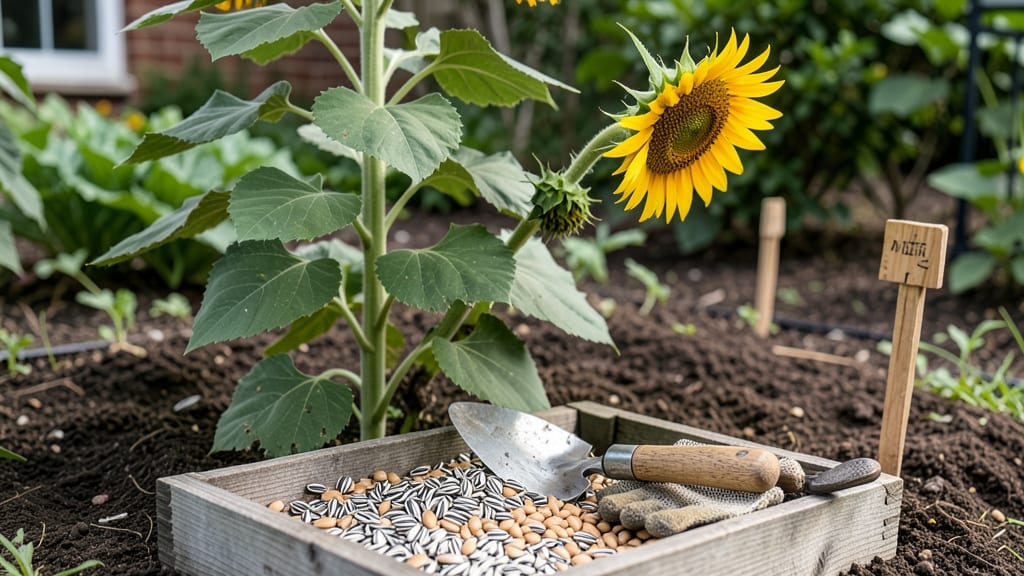
Want to grow towering, vibrant sunflowers by knowing when to plant sunflower seeds in Southern California? Timing your planting just right is the secret to avoiding wilted dreams before they even sprout.
Unlike cooler climates, our 9b-11 zones let you plant sunflowers twice a year—but getting it wrong means struggling with heat stress or missed blooms. I’ve tested the best windows, and what works for coastal areas (like San Diego) differs from inland valleys (like the Coachella Valley).
You’ll discover the exact months to start seeds for maximum growth, plus how to adjust for microclimates and water restrictions. No more guessing—just sunflowers that reach their full potential, even in our dry summers.
Let’s dive into the heat-zone safe start dates that’ll have your garden bursting with color by spring and fall. Ready to plant with confidence?
Best planting months for sunflowers in Southern California’s climate zones
Southern California’s USDA zones 9b-11 create a unique growing environment where sunflowers can thrive year-round—but timing still matters. Unlike northern climates, we don’t have to worry about last frost dates, but heat tolerance and summer droughts become critical factors.
Plant too early, and your sunflowers may bolt in the heat; too late, and you’ll miss the peak bloom season before winter rains arrive.
Most gardeners focus on spring planting (February-April) for the classic summer blooms, but a fall planting window (September-October) works beautifully for late-season color. The key is understanding how your specific microclimate—whether coastal, inland valley, or desert—affects soil temperatures and water availability.
Here’s the breakdown by USDA zone and planting strategy to maximize your sunflowers’ potential in Southern California’s diverse climate:
For coastal areas (USDA 9b), the February-April window gives sunflowers time to establish roots before summer’s coastal fog sets in. Planting in late September avoids the Santa Ana winds that can stress young seedlings.
In these areas, dwarf varieties (3-5 feet) like 'Teddy Bear' perform best due to wind exposure.
Inland valleys (USDA 10a) offer the longest growing season, making January-March ideal for tall varieties (8+ feet) like 'Russian Giant'. The trade-off? Planting in August-September risks bolting before winter rains arrive. Always mulch heavily to retain moisture during summer’s 100°F+ days.
Desert regions (USDA 10b-11) demand the most precision. Plant in February-March to avoid the June Gloom heatwave, or choose September-October for fall blooms.
Here, soil temperature is critical—wait until the ground reaches 65°F+ before sowing. Shade cloth for the first 2-3 weeks can double survival rates in 110°F+ conditions.
Pro tip: Use a soil thermometer to confirm readiness—sunflower seeds need 55°F+ soil to germinate consistently. In coastal areas, morning fog can delay warming, while desert soils may heat up too quickly. Adjust your planting date by 1-2 weeks based on your local microclimate.
Remember that fall-planted sunflowers often produce larger blooms because they grow during the cooler, wetter months. However, they’ll need extra protection from winter rains to prevent root rot. Always plant in well-draining soil with a slight elevation to avoid waterlogging.
If you’re aiming for cut flowers, prioritize the spring planting window—these sunflowers will reach their peak height (10-15 feet) just as summer weddings and events begin. For wildlife gardens, fall-planted sunflowers provide critical late-season nectar for bees and birds before winter.
🌻
How to adjust planting times for Southern California’s microclimates
Southern California’s diverse microclimates mean your coastal garden in Malibu might have a completely different planting schedule than your inland valley plot in Palm Springs. These variations affect soil warmth, water availability, and even heat stress on young sunflower seedlings.
I’ve grown sunflowers across all three zones, and here’s how to adjust your timing for each.
Coastal areas like San Diego and Santa Barbara stay cooler and foggier, delaying soil warming. Inland valleys (Los Angeles Basin, San Fernando Valley) heat up faster, while desert regions (Coachella Valley, Joshua Tree) demand extra watering attention.
Let’s break down the ideal adjustments for each zone to maximize your sunflower’s potential.
🌱 Microclimate Planting Adjustments
- 🌊 Coastal Areas (e.g., San Diego, Santa Barbara): Plant 1-2 weeks later (mid-March to early April) due to cooler soils. Use black plastic mulch to warm soil faster.
- 🏜️ Inland Valleys (e.g., LA Basin, Riverside): Start seeds early February to avoid summer heat stress. Use shade cloth for seedlings if temps exceed 90°F.
- 🏜️ Desert Regions (e.g., Coachella Valley, Joshua Tree): Plant September-October for fall blooms. Prioritize deep watering (2-3x/week) to prevent drought shock.
- 🌡️ Soil Temperature Check: Ideal range: 60-70°F. Use a soil thermometer—coastal soils may need 1-2 weeks longer to reach this.
- 💧 Watering Strategy: Inland/desert areas: deep water 2-3x/week. Coastal areas: weekly watering suffices due to higher humidity.
For extended growing seasons, try a fall planting (late August-September) in inland areas. This lets sunflowers bloom before winter rains arrive. Just ensure your soil stays warm—coastal fall plantings may struggle with cooler nights.
Pro tip: Mulch heavily (3-4 inches of straw or wood chips) to retain moisture and regulate soil temperature. This is especially critical in desert regions, where evaporation rates are high. I’ve seen sunflowers wilt within days without proper mulching!
Don’t forget to monitor humidity levels. Coastal areas benefit from morning watering to reduce fungal risks, while inland gardens thrive with evening watering to cool roots. Adjust based on your local microclimate conditions—your sunflowers will thank you with bigger, brighter blooms. 🌻