
Flowers
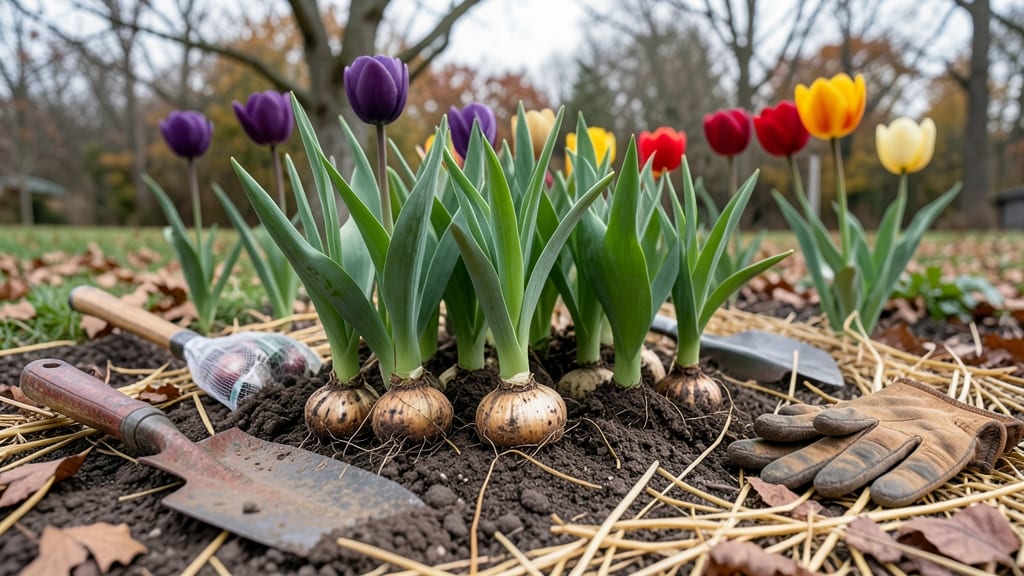
Timing your flower plantings in Zone 6a can feel like a guessing game—plant too soon, and frost will nip your blooms before they even open. 🌸 But get the schedule right, and you’ll enjoy vibrant flowers from spring through fall without the stress.
I’ve tested countless planting windows here in Zone 6a, and the key is knowing when to start seeds indoors, when to transplant, and which varieties thrive in our 165 frost-free days.
Whether you’re dreaming of bold annuals or hardy perennials, this schedule ensures you’ll never miss a planting window again.
From early-spring bulbs to late-summer annuals, we’ll break down the exact start dates for every flower type. You’ll learn how to adjust for microclimates, avoid common mistakes, and even extend your growing season with simple tricks. Let’s get those flowers blooming on time!
Ready to transform your garden? Skip the trial-and-error—this is your no-fail guide to planting flowers in Zone 6a for maximum beauty and minimal fuss.

Zone 6a flower planting calendar: exact start dates by flower type
Timing your flower plantings in Zone 6a means the difference between vibrant blooms and frost-damaged disappointment. The average last frost date in Zone 6a is around April 15, but this can vary by 1-2 weeks depending on whether you're in the northern or southern part of the zone.
Use this calendar to plant annuals, perennials, and bulbs at the perfect time for maximum blooms.
For northern Zone 6a (e.g., Chicago, IL or Buffalo, NY), adjust start dates 1 week later than the averages below. In southern Zone 6a (e.g., Lexington, KY or Raleigh, NC), you can plant 1 week earlier for frost-sensitive varieties. Always check your local extended weather forecast before planting.
🌱Pro Tip: Use row covers or a cold frame to extend your planting window by 2-3 weeks for frost-sensitive annuals like marigolds or petunias.
Key Terms: - Last Frost Date: The average date when frost no longer occurs (Zone 6a: April 15) - Frost-Free Days: The number of days between last and first frost (165 days in Zone 6a) - Hardy Perennials: Can tolerate light frost and be planted in early spring or fall - Frost-Tender Annuals: Must wait until after last frost or use season extenders
For annual flowers like zinnias or marigolds, wait until after your last frost date—typically April 20 in Zone 6a—to avoid frost damage. These frost-sensitive varieties thrive in warm soil (at least 60°F) and will bolt or struggle if planted too early.
If you're eager to start earlier, use a cold frame or row cover to protect seedlings.
Conversely, perennials like coneflowers and black-eyed Susans are hardy and can handle <
How to adjust your flower planting schedule for Zone 6a microclimates
Zone 6a’s 165 frost-free days offer a perfect window for vibrant flowers, but microclimates can shift your ideal planting dates by weeks.
I’ve learned the hard way—planting pansies too early in a cold pocket of my yard meant frost-damaged blooms, while geraniums thrived in my urban heat island a full month earlier than the general schedule. The key is understanding how elevation, urban heat, and wind exposure alter your microclimate.
Microclimates create pockets where temperatures vary by 5–10°F even within the same yard. A north-facing slope might stay 2 weeks colder than a south-facing bed, while a blacktop-adjacent garden can be 10°F warmer in summer.
These variations mean your last frost date could be April 1 in one spot and May 1 just 50 feet away. Adjusting for these differences ensures your frost-sensitive annuals like impatiens and petunias survive.
Here’s how to fine-tune your schedule: First, identify your microclimates by observing where frost lingers longest (usually low spots) and where heat builds up (paved areas, south walls).
Then, use these adjustments: Add 2 weeks for cold spots, subtract 1–2 weeks for heat islands, and delay by 1 week in windy areas where plants dry out faster.
For example, if your general last frost is April 15, plant cold-hardy annuals like snapdragons in cold zones by April 1, but in heat islands, you can start them as early as March 20.
⚠️ callout-warning ⚠️
Many gardeners assume their entire yard follows the average last frost date, but microclimates can turn a "safe" planting window into a frost trap. For example, marigolds and zinnias planted in cold pockets 2 weeks before the official last frost often suffer stunted growth or dieback. Always test your microclimates by monitoring soil temperatures—aim for 60°F+ for annuals before transplanting.
🌱 Pro Tip: Use heat mats or row covers to extend your planting window by 2–3 weeks in cold microclimates. For heat islands, opt for shade-tolerant varieties like coleus or impatiens to prevent wilting.
To further extend your season, I rely on three tools: row covers (like Reemay fabric) add 2–4°F protection and can push start dates back by 2 weeks for frost-sensitive plants. Cold frames let me start pansies and violas indoors in late February, transplanting them out by March 15—6 weeks earlier than the general schedule.
And for tender annuals like geraniums, a small greenhouse lets me start seeds in mid-January, ensuring blooms by Memorial Day.
Don’t overlook fall planting adjustments either. In Zone 6a, first frost typically hits October 15, but in heat islands, you can push cool-season annuals like snapdragons until November 1. For cold pockets, stick to hardy mums or asters, which tolerate light frosts.
Always mulch 3–4 inches deep in fall to insulate roots—this buys 1–2 extra weeks of blooming before winter sets in.
Finally, avoid these three deadly mistakes: Ignoring wind exposure (wind desiccates young plants), planting bulbs too deep in heavy clay (they rot), and skipping soil prep in microclimates (amend cold spots with compost to warm up faster).
By mastering these adjustments, you’ll turn Zone 6a’s challenges into longer bloom seasons and hardier plants—no matter where your garden sits.