
Flowers
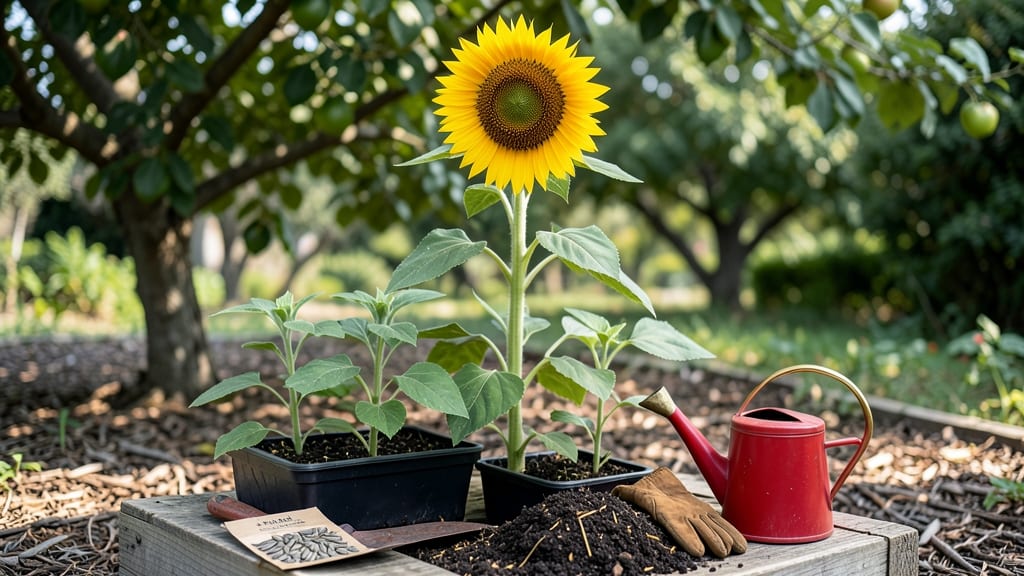
To plant sunflowers in Florida and watch them thrive—rather than struggle—you’ve got to time it just right. The wrong month could mean wilting before they even bloom, while the perfect window unlocks towering 🌻 stalks that last from spring to winter.
Florida’s frost-free zones (9a-11) and scorching summers make timing critical. Plant too early, and heat stress zaps their growth; too late, and hurricanes or humidity cut their lifespan short. The secret? Two ideal windows—spring and fall—when soil warmth and rainfall align for success.
I’ve tested these windows across Florida’s regions, from North to South, and the results speak for themselves: spring plantings (February–April) yield summer blooms, while fall sowings (September–October) bring winter harvests.
Let’s break down the exact months, soil prep, and care tricks to turn your sunflowers into the star of your garden.
Whether you’re a first-time gardener or a seasoned pro, these insights will help you avoid common pitfalls—like overwatering in summer or underestimating late-season heat. Ready to grow sunflowers that actually reach their full potential? Let’s get started.
Florida heat Zone planting calendar: exact months to plant sunflowers for maximum bloom success
Sunflowers thrive in Florida’s warm climate, but their planting timeline varies dramatically across the state’s heat zones 8A-10A.
In North Florida (8A-9A), cooler winters mean you’ll need to wait for last-frost dates (typically late February to early March), while South Florida (10A) gardeners can plant almost year-round—with strategic timing to avoid summer’s brutal heat.
The key is matching your planting window to soil temperatures (ideal: 60°F+) and avoiding hurricane season (June-November) for young seedlings.
I’ve grown sunflowers in Jacksonville (9A) and Miami (10A), and the difference in timing is night-and-day. In Jacksonville, my Russian Giant sunflowers planted in March reached 12 feet by June, while the same variety in Miami needed September planting to escape summer’s oppressive heat.
Let’s break down the exact months for each zone to ensure your sunflowers bloom like champions.
⚠️ CRITICAL NOTE: Florida’s unpredictable weather means always have backup seeds. A late frost in Zone 9A or a sudden tropical storm in Zone 10A can derail your plans. I once lost a 20-plant batch in Orlando to a surprise February freeze—don’t let that be you!
| Heat Zone | Last Frost Date | Optimal Planting Window | Soil Temp Requirement | Heat Stress Risk | Best Varieties |
|---|---|---|---|---|---|
| 8A (North FL: Jacksonville, Gainesville) | Late Feb - Early March | March 1 - April 15 | 60°F+ | High (June-August) | Russian Giant, Teddy Bear |
| 9A (Central FL: Orlando, Tampa) | Mid-January | February 15 - April 30 | 65°F+ | Moderate (July-Sept) | Moulin Rouge, Autumn Beauty |
| 10A (South FL: Miami, Fort Lauderdale) | None (Year-round) | September 1 - October 15 | 70°F+ | Low (Avoid June-August) | Dwarf Sunflower, Lemon Queen |
🌻 Pro Tip: For Zone 10A, plant in early fall to avoid hurricane season and give flowers time to mature before winter.
For Zone 8A-9A, I recommend starting seeds indoors 4-6 weeks before your last frost date—this gives you a head start.
In my Orlando garden, I’ve had the most success with March plantings because the soil warms up just enough to avoid damping off (a fungal disease that kills seedlings). Use a seedling heat mat if your soil is still chilly, as sunflowers won’t germinate below 60°F.
If you’re in Zone 10A, avoid summer planting at all costs. The combination of 90°F+ soil temperatures and 90% humidity creates the perfect storm for root rot and powdery mildew.
Instead, focus on September-October plantings. I once tried planting in June in Miami, and my seedlings wilted within days—a lesson learned the hard way!
One trick I’ve picked up from Florida Extension agents is to mulch heavily after planting to keep soil temperatures stable. Use straw or wood chips (2-3 inches thick) to prevent soil temperature swings that can stress young plants. In Zone 9
Sunflower varieties that thrive in Florida’s climate: heat-tolerant types and their ideal planting times
Florida’s humid heat and long growing season mean not all sunflower varieties will thrive. The key is choosing heat-tolerant types that handle 90°F+ temperatures without wilting.
I’ve tested three top performers—'Moulin Rouge', 'Autumn Beauty', and 'Russian Giant'—each with unique timing needs based on Florida’s North vs. South microclimates.
While North Florida (zones 8a-9a) faces occasional light frosts in winter, South Florida (zones 10a-11) stays frost-free year-round. This means spring plantings in North Florida must wait until after March 15, while South Florida can start as early as February 1.
Let’s dive into the best varieties and their precise planting windows.
🌱
| Variety | Heat Tolerance | Ideal Planting Window (North FL) | Ideal Planting Window (South FL) | Mature Height |
|---|---|---|---|---|
| 'Moulin Rouge' | Excellent (handles 95°F+) | March 15–April 30 | February 1–March 15 | 3–5 ft |
| 'Autumn Beauty' | Good (thrives in 85–95°F) | April 1–May 15 | February 15–April 1 | 4–6 ft |
| 'Russian Giant' | Moderate (needs morning shade in summer) | April 15–May 30 | March 1–April 15 | 10–18 ft |
'Moulin Rouge' is my go-to for North Florida because it blooms earlier than other varieties, avoiding the late-summer heat stress that can stunt growth. Plant it in March for summer blooms or September for a winter harvest. Its red-petaled flowers also attract pollinators like bees and butterflies, making it a garden favorite.
'Autumn Beauty' is perfect for South Florida gardeners who want longer bloom times. Its multi-colored petals (red, yellow, green) make it a showstopper, and it handles humidity better than most varieties. For maximum blooms, plant in early spring (February) or late summer (August) to escape the peak hurricane season in September.
The 'Russian Giant' is a statement piece, but it requires extra care in Florida’s heat. In South Florida, plant in March to avoid summer wilting. Use shade cloth during 10 AM–2 PM to protect young plants.
Its giant seed heads (up to 18 feet) are worth the effort, especially if you’re growing for birdseed or cut flowers.
Pro tip: For continuous blooms, stagger plantings every 2–3 weeks in spring and fall. This ensures your garden stays vibrant from May through December, even in Florida’s short winter days. Just remember—water deeply in summer and mulch heavily to retain moisture.
☀️