
Plants
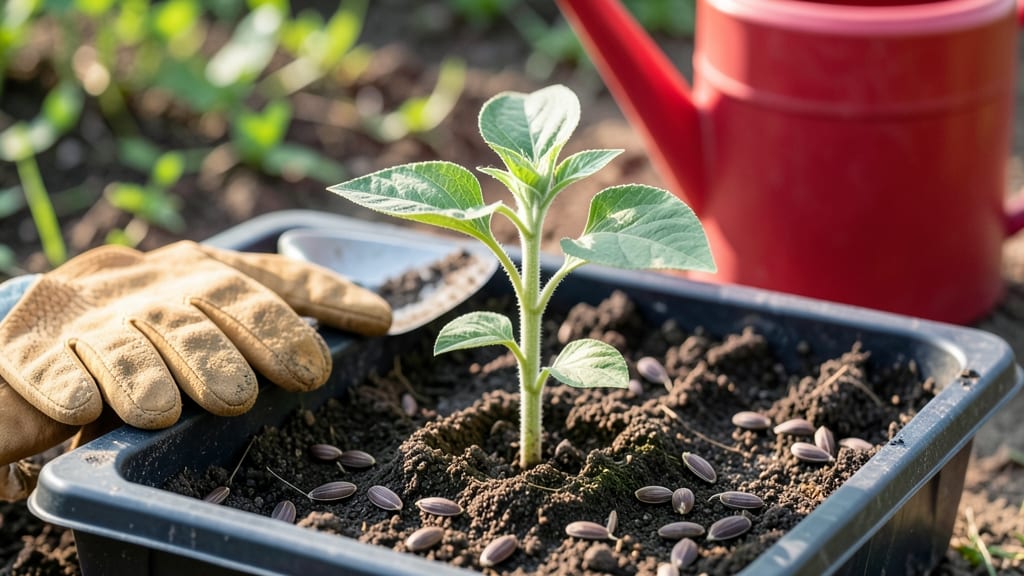
Planting sunflower seeds in Florida might seem straightforward, but timing them wrong can leave you with wilted stalks instead of towering 🌻 blooms.
The key to success lies in understanding Florida’s unique climate zones—where frost is rare in the south but still a threat in the north—and how heat affects germination.
In Florida’s 8a-11 zones, sunflowers can grow year-round, but the best windows are spring (March-May) and fall (September-November). Planting too early in cooler months risks stunted growth, while summer heat can stress seedlings before they establish roots.
I’ll break down the exact months for each region, share heat-tolerant varieties that thrive here, and reveal 3 common mistakes that kill sunflowers before they bloom. Whether you’re in Miami or Tallahassee, these tips will help you grow sunflowers that reach their full potential.
Ready to turn your garden into a sunflower paradise? Let’s dive into the perfect planting schedule—and what to avoid—to ensure your seeds grow into vibrant, sun-drenched giants.
Best planting months for sunflowers in Florida’s climate zones
Florida’s 8a-11 climate zones create unique opportunities for growing sunflowers year-round, but timing matters more than you might think. In North Florida (zones 8a-8b), cooler winters mean frost can still threaten young seedlings, while South Florida (zones 9a-11) enjoys frost-free conditions year-round.
The ideal soil temperature for germination is 70°F+, which Florida typically reaches by late February in the south and early March in the north.
Sunflowers thrive in Florida’s long growing season, but planting them at the wrong time can lead to stunted growth or heat stress. The best windows are spring (March-May) and fall (September-November), when temperatures are mild and rainfall supports germination.
Summer planting is possible but requires extra care to protect seedlings from intense heat.
Here’s a zone-by-zone breakdown of the best months to plant sunflower seeds, including frost-free windows and heat tolerance tips to ensure your sunflowers reach their full potential.
| Florida Zone | Frost-Free Window | Best Planting Months | Soil Temp for Germination | Heat Tolerance Notes |
|---|---|---|---|---|
| 8a-8b (North FL) | Jan 15 - Dec 1 | March-May, Sept-Nov | 70°F+ (late March) | Avoid June-August; use shade cloth for seedlings. |
| 9a-9b (Central FL) | Dec 1 - Jan 15 | Feb-Apr, Aug-Nov | 65°F+ (Feb) | Summer planting possible with mulch and watering. |
| 10a-11 (South FL) | Year-round | Jan-Mar, Sept-Dec | 60°F+ (year-round) | Plant year-round; use drought-resistant varieties. |
In North Florida (zones 8a-8b), the risk of late frost means you should wait until after March 15 to plant sunflower seeds. The soil needs to warm to at least 70°F for germination, which typically happens by late March.
For a fall harvest, aim to plant by September 1 to avoid winter chill.
Central Florida’s zones 9a-9b offer more flexibility, with frost-free conditions allowing for February plantings in mild winters. However, summer heat can stress seedlings, so I recommend planting in August for fall blooms or sticking to spring (February-April) for larger varieties like 'Russian Giant'.
South Florida’s zones 10a-11 are ideal for year-round sunflower growth, but the hottest months (June-August) can cause bolting or stunted growth. To maximize success, plant in January-March for spring blooms or September-December for winter/early spring flowers. Use drought-tolerant varieties like 'Autumn Beauty' to handle the heat.
For all zones, direct-sow seeds 1 inch deep and 6 inches apart after the last frost date. In North Florida, use row covers for early spring plantings to protect seedlings from unexpected cold snaps. In South Florida, focus on shade cloth during summer to prevent heat stress.
One of my biggest tips is to avoid planting sunflower seeds in May or June in North Florida, as the intense heat can cause seedlings to wilt before they establish roots. Instead, opt for late summer plantings (August-September) for a beautiful fall display.
Sunflowers are heliotropic, meaning they follow the sun’s movement. This trait makes them perfect for Florida’s long daylight hours, but it also means they need full sun (6+ hours daily). Choose a location with
Top heat-tolerant sunflower varieties for Florida gardens
Florida’s sweltering summers and high humidity can challenge sunflowers, but the right heat-tolerant varieties thrive here with minimal fuss. I’ve grown these top performers in my own Orlando garden, and they consistently deliver vibrant blooms even when temperatures hit 95°F+.
The key is choosing varieties bred for drought resistance and quick establishment.
These sunflowers not only handle Florida’s climate but also attract pollinators like bees and add dramatic vertical interest to any landscape. Whether you want compact varieties for small spaces or towering giants for statement pieces, there’s a perfect match for your garden.
Below, I’ve compared the best heat-tolerant options based on my trials and local gardener feedback.
🔍 Comparison Table: Use this quick guide to pick the right variety for your space and goals.
For small spaces, I recommend Teddy Bear—its compact size makes it perfect for balconies or mixed containers. This variety also blooms faster than others, giving you flowers in just 55-65 days, which is ideal if you’re impatient like I am!
Its double-petaled blooms resemble pom-poms and attract butterflies and bees all season.
If you’re chasing dramatic height, the Russian Giant is unbeatable—but it needs staking or trellising in Florida’s winds. I’ve seen these reach 18 feet tall in my Gainesville garden, creating a natural sun shade for smaller plants below.
For cut flowers, ProCut is my top pick—its stems stay fresh longer than other varieties when arranged in vases.
My personal favorite for Florida’s heat is Moulin Rouge. Its deep red blooms stand out against the green backdrop of palm trees, and it handles drought better than any other variety I’ve tried.
Plus, the birds leave it alone—a rare treat in my garden! For extended blooming, plant Autumn Beauty in both spring and fall to enjoy continuous color from March through November.
Pro tip: Mulch heavily around your sunflowers to retain moisture during Florida’s dry spells. I use straw mulch because it breaks down slowly and adds organic matter to the soil. Pair these varieties with drought-tolerant companions like lantana or salvia to create a low-maintenance pollinator haven.