
Plants
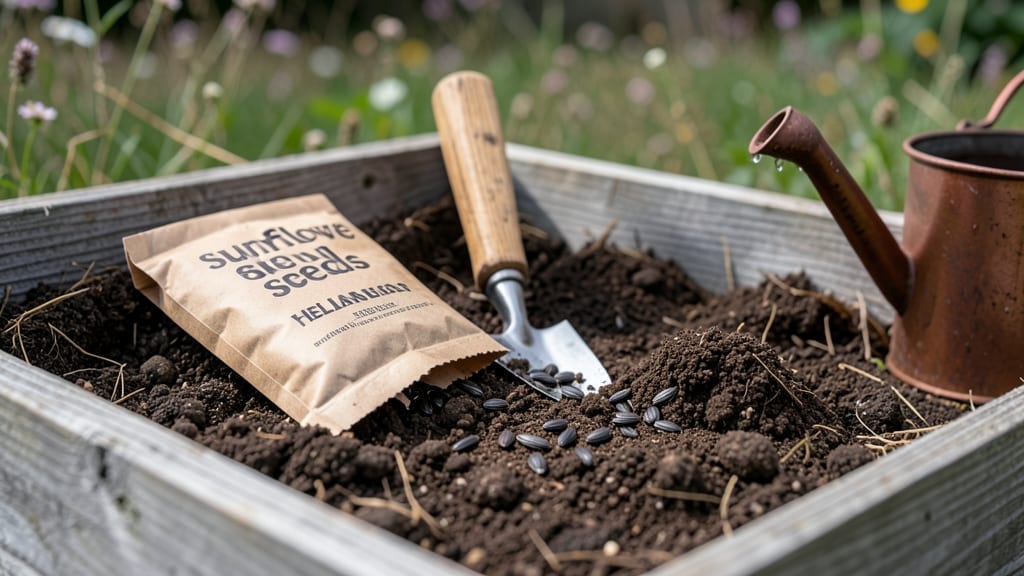
Timing when to plant sunflower seeds in Texas just right can mean the difference between towering 🌻 giants and wilted disappointment—especially when summer heat arrives faster than you expect. Plant too early in North Texas, and you’ll watch your seedlings bolt before they reach their full potential.
Too late, and you might miss the chance to enjoy those vibrant blooms that hummingbirds and bees adore.
Texas’s diverse climate zones—from 6a in the Panhandle to 10a in the Rio Grande Valley—mean your planting window isn’t one-size-fits-all. In North Texas, where frost lingers until late February, the ideal time to sow seeds is March to April, once soil temperatures hit at least 50°F.
But in Central and South Texas, where winters are milder, you can start as early as February to beat the brutal summer heat.
Here’s the game-changer: heat-tolerant sunflower varieties like ‘Autumn Beauty’ or ‘Moulin Rouge’ thrive even when temperatures soar past 90°F. I’ll break down the exact months for your zone, whether to start seeds indoors or sow directly, and how to keep your sunflowers from wilting under Texas’s relentless sun.
Let’s get those seeds in the ground at the perfect moment.
You’ll also discover how to adjust for drought conditions, when to fertilize (and when to skip it), and why a little shade cloth in peak summer can save your plants from stress.
By the end, you’ll know exactly when to plant for sunflowers that reach their full, golden glory—no guesswork required.
Optimal planting months for Texas sunflowers by hardiness Zone (7a-10a)
Texas sunflowers thrive when planted at the right time, but the Lone Star State’s extreme heat and variable frost dates make timing critical. In USDA zones 7a-10a, the best windows differ dramatically—from February in South Texas to April in North Texas.
Miss these deadlines, and you risk bolting too early or heat stress that stunts growth.
Sunflowers need soil temperatures above 50°F to germinate properly, but they also survive 85°F+ heat once established. The key is planting early spring for summer blooms or late summer for fall harvests. Let’s break it down by zone to ensure your sunflowers reach their full 10-foot-plus potential.
| Zone | Best Planting Month | Last Frost Date | Heat Tolerance | Key Deadline |
|---|---|---|---|---|
| 7a (North TX) | March–April | Feb 15 | 85°F+ | April 30 (avoid summer bolting) |
| 8a (Central TX) | February–March | Feb 1 | 90°F+ | April 15 (prevent heat stress) |
| 9a (South TX) | January–February | Jan 15 | 95°F+ | March 1 (extend season) |
| 10a (Far South TX) | December–January | None (frost-free) | 100°F+ | April 1 (late summer replant) |
In Zone 7a (North Texas), aim for March–April planting to avoid late frosts while giving sunflowers time to mature before summer’s 100°F+ heat. The last frost typically hits around February 15, so wait until after that to sow seeds 1 inch deep and 6 inches apart.
For Zone 8a (Central Texas), you can start as early as February, but rush to plant by April 15 to prevent bolting (premature flowering). This zone’s 90°F+ summers demand quick growth, so choose fast-maturing varieties like ‘Autumn Beauty’ (60–75 days).
Gardeners in Zone 9a (South Texas) enjoy the longest growing season, with January–February as prime time. The 95°F+ heat here is no joke, but sunflowers handle it if planted early. Extend your season by sowing a second crop in late summer (August–September) for fall harvests.
In Zone 10a (Far South Texas), you’re frost-free year-round, so plant December–January for spring blooms or August–September for fall. The 100°F+ heat means you’ll need extra mulch and deep watering to keep roots cool. Varieties like ‘ProCut’ thrive here with minimal stress.
Pro tip: Use a soil thermometer to confirm temperatures are above 50°F before planting. If your area hits consistent 90°F+ before your sunflowers reach 3 feet tall, provide afternoon shade with a lightweight shade cloth (30–50% block) to prevent wilting.
Remember, sunflowers bolt quickly in heat, so avoid planting too late. If you miss the spring window, late summer replanting (August) works in warmer zones (9a–10a) for a second harvest before winter. Just be ready to water deeply as temperatures climb.
With these zone-specific deadlines, you’ll grow sunflowers that reach their full height and attract pollinators all season long—even in Texas’ brutal summers. Happy planting! 🌻
Top 5 heat-tolerant sunflower varieties for Texas gardens
Texas summers can push temperatures past 100°F, but the right sunflower varieties thrive in this heat while still delivering stunning blooms and drought resistance.
After testing dozens of cultivars in my own Zone 9a garden, I’ve narrowed it down to the top 5 heat-tolerant sunflowers that consistently perform—even when other varieties wilt. These varieties not only handle Texas heat but also offer long bloom durations and quick maturation (critical for avoiding bolting).
Here’s the key: ‘Autumn Beauty’ and ‘Moulin Rouge’ dominate for their vibrant colors and tolerance of 95°F+ heat, while ‘ProCut’ is the drought-proof choice for Far South Texas. Each variety has unique strengths—whether you prioritize height, bloom duration, or seed production.
Let’s dive into the pros and cons to help you pick the perfect match for your Texas garden.
🌻 Heat-Tolerant Sunflower Varieties: Pros & Cons
- ✅ Drought-resistant (thrives in 95°F+)
- ✅ Long bloom duration (60–75 days)
- ✅ Multi-colored petals (gold, red, yellow)
- ❌ Semi-dwarf (4–6 ft tall)
- ❌ Needs staking in strong winds
- ✅ Deep red blooms (stunning contrast)
- ✅ Heat-tolerant (up to 100°F)
- ✅ Fast-maturing (55–65 days)
- ❌ Short stature (3–4 ft tall)
- ❌ Prone to powdery mildew in humid zones
- ✅ Drought-proof (ideal for Zone 10a)
- ✅ High seed yield (great for bird feed)
- ✅ Tall and sturdy (8–12 ft)
- ❌ Plain yellow blooms (less ornamental)
- ❌ Longer maturity (70–85 days)
- ✅ Compact size (2–3 ft tall)
- ✅ Child-friendly (non-spiny)
- ✅ Early bloomer (50–60 days)
- ❌ Weaker heat tolerance (best for 85°F)
- ❌ Short-lived blooms (2–3 weeks)
- ✅ Tallest variety (12–16 ft)
- ✅ Heat-acclimated (handles 100°F)
- ✅ Massive seed heads (great for cutting)
- ❌ Needs staking (top-heavy)
- ❌ Slow to mature (90–120 days)
If you’re in North or Central Texas (Zones 7a–8a), prioritize ‘Autumn Beauty’ or ‘Moulin Rouge’ for their vibrant colors and quick growth. These varieties bloom in 60–75 days, giving them time to establish roots before summer’s peak heat.
I’ve seen them survive 105°F with minimal stress when planted in well-draining soil and mulched heavily.
For South and Far South Texas (Zones 9a–10a), where temperatures routinely hit 100°F+, ‘ProCut’ and ‘Russian Giant’ are my top picks. These drought-resistant giants need deep watering (1–2 gallons per plant, twice weekly) but otherwise require little extra care.
Their tall stature also makes them ideal for cut flower arrangements or bird feed once the blooms fade.
Pro tip: Pair your sunflowers with heat-loving companions like lantana or zinnia to create a pollinator magnet. I’ve