
Plants
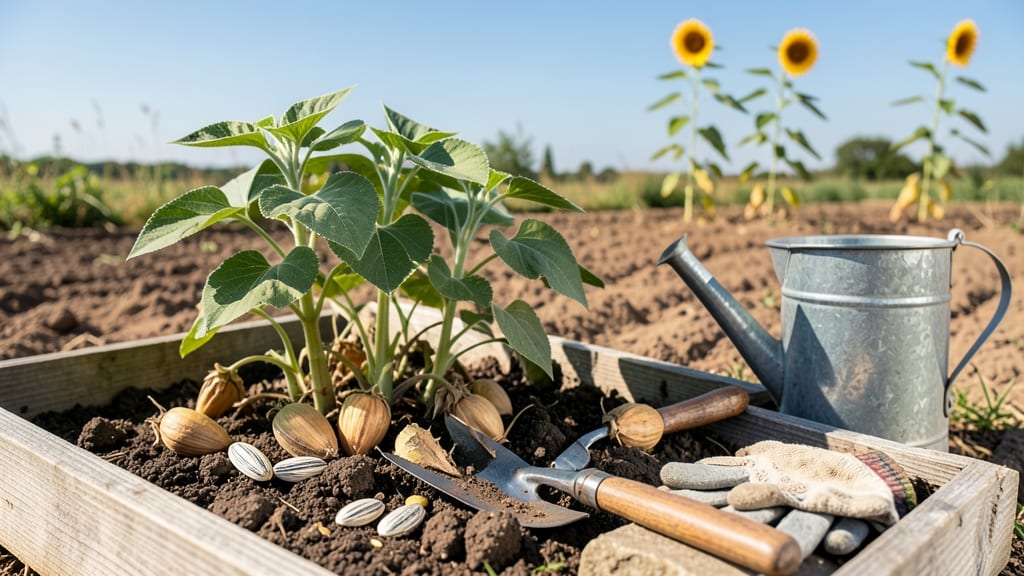
Planting sunflower seeds 🌻 in New Zealand at the wrong time means watching your towering dreams wilt before they even begin. The difference between a 12-foot giant and a stunted shrub often comes down to a single window—just 4-6 weeks where frost-free days meet warm soil.
I’ve learned the hard way that NZ’s climate isn’t one-size-fits-all. Northland’s 8a zone lets you start as early as August, while Canterbury’s 8b waits until late September. Miss the mark, and you’ll either face frost damage or a summer spent chasing seeds that never sprout.
Here’s the game-changer: a region-by-region breakdown of when to plant for maximum height, plus how to spot the perfect moment—even if you’re not a weather expert. Whether you’re in Auckland or Otago, these tips will help you grow sunflowers that turn heads (and maybe even shade your deck by January).
Ready to unlock the secret? Let’s dive into the frost-free deadlines that’ll have your sunflowers reaching for the sky—without the guesswork.
NZ sunflower planting calendar by region: frost-free deadlines for tallest stalks
New Zealand’s diverse climate means your sunflower planting timing should match your region’s last frost date. In Northland, you can start as early as August, while Southland gardeners should wait until November to avoid frost damage.
The key? Plant when soil temperatures hit 10°C (50°F)—this ensures strong germination and those 12-foot stalks you’re dreaming of.
Sunflowers thrive in full sun and warm soil, but NZ’s microclimates complicate things. Coastal areas like Auckland warm faster than inland Canterbury, while Wellington’s windy conditions demand extra protection. Below, I’ve broken down the frost-free windows for each region, plus how to adjust for your local conditions.
For Northland and Auckland, I recommend starting seeds indoors in July to get a head start. Transplant seedlings outdoors once soil warms—this gives your sunflowers a 2-week advantage over direct-sown seeds.
In cooler regions like Canterbury or Southland, opt for fast-maturing varieties (e.g., 'Moulin Rouge') to ensure they bloom before winter sets in.
Microclimates play a huge role. If you’re in a valley or low-lying area, frost lingers longer—wait until mid-November to plant. Conversely, hilltops or urban heat islands warm faster, so you can plant 2–3 weeks earlier. Always check your local MetService frost forecasts for real-time updates.
Pro tip: Use a soil thermometer to confirm warmth. Sunflowers won’t germinate below 10°C (50°F), and even if they sprout, cold soil stunts growth. If your soil is still chilly, try black plastic mulch to absorb heat and speed up warming.
Once planted, give your sunflowers 6–8 hours of sun daily and well-draining soil. In Wellington’s windy conditions, stake tall varieties early to prevent lodging. For Canterbury’s dry spells, mulch heavily to retain moisture—this is critical during seedling stage.
Remember, sunflowers are annuals in NZ, so they’ll complete their life cycle in one season. If you miss the frost-free window, don’t despair—try container growing near your home’s north-facing wall. Pots warm faster and let you
How to extend your sunflower season: 3 pro tips for late or early planting
Missed the ideal planting window? Don’t worry—sunflowers are tougher than you think. In cooler regions like Otago, where frost lingers until late September, you can still grow 10-foot giants with the right tricks.
The key is understanding how to trick nature into giving your seeds the perfect start, even outside the traditional window.
I’ve grown sunflowers in Zone 8a for years, and these three strategies have saved my plants from frost damage and extended my harvest by 4-6 weeks.
Whether you’re a first-time gardener or a seasoned pro, these tips will help you plant sunflowers earlier or later than the calendar suggests—without sacrificing height or blooms.
- 🌡️ Test soil temperature with a soil thermometer—plant when it hits 10°C (50°F) at 5cm depth (even in cooler months).
- 🛡️ Use row covers or cold frames to protect seedlings from late frosts (e.g., remove covers when flowers appear).
- 🌱 Choose fast-maturing varieties like ‘Autumn Beauty’ (60-70 days) for late plantings or ‘Russian Giant’ for early starts.
First, let’s talk soil temperature. Most gardeners guess when to plant, but sunflower seeds need consistent warmth to germinate. A soil thermometer (only $10 at garden centers) is your best friend—plant when the soil hits 10°C (50°F) at 5cm depth.
In Otago, this might mean waiting until mid-October, while Northland gardeners can start as early as August.
Next, row covers or cold frames are game-changers for late plantings. I’ve used floating row covers to protect seedlings until the last frost date passes. Simply drape the cover over your sunflower bed and secure the edges with bricks or clips.
Remove the cover once the flowers start to bloom to avoid overheating.
For those who miss the window entirely, opt for fast-maturing varieties. ‘Autumn Beauty’ takes just 60-70 days to flower, making it ideal for late plantings.
If you’re planting early (like in August), ‘Russian Giant’ is a top pick—it thrives in cooler soil and still reaches 12+ feet tall. Just be prepared to stake taller varieties if winds are strong.
Finally, don’t underestimate the power of mulching. A thick layer of straw or wood chips keeps soil warm longer and retains moisture, giving your sunflowers a head start.
In my garden, mulched beds stay 5°C warmer than uncovered soil, which is enough to extend the planting window by 2-3 weeks.