
Plants
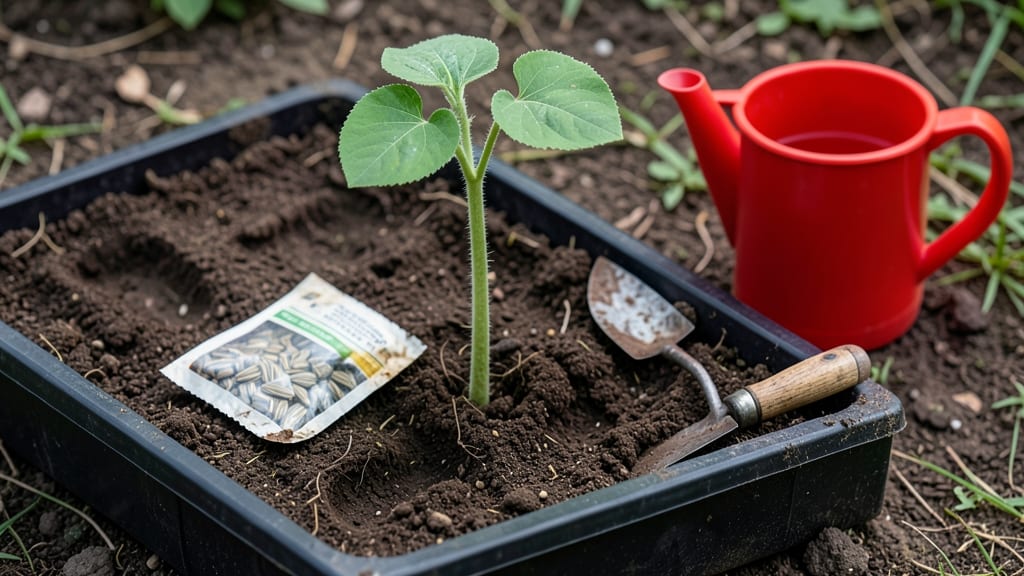
Planting sunflower seeds in South Africa at the wrong time could mean watching your towering 🌻 dreams wilt before they even begin. The key to growing sunflowers that reach their full 10-foot-plus potential lies in understanding your local climate—whether you're in frost-free coastal areas or inland regions with occasional chills.
Most gardeners in South Africa's 9a-10b zones should aim for the September-November window, but coastal areas can extend planting slightly later. The secret? Soil temperatures need to stay above 15°C (59°F) for those seeds to germinate quickly—something I learned the hard way with my first batch of sunflowers.
What makes timing even trickier is how regional rainfall patterns affect your approach. Summer-rainfall areas might need to adjust their schedule compared to winter-rainfall zones. I'll break down exactly how to match your planting with your local conditions for fast germination and those iconic sunflower blooms you've been dreaming of.
Ready to transform your garden? Let's dive into the precise months that work best for your specific corner of South Africa—because getting this right means the difference between sunflowers that thrive and ones that just... don't make it.
Best months to plant sunflower seeds in South Africa by region (climate zones explained)
South Africa’s diverse climate zones create unique planting windows for sunflowers. From frost-free coastal areas to highland regions with occasional winter chill, timing is everything. Sunflowers thrive in warm soil (15°C/59°F+) and need 6-8 months to mature—so your planting schedule depends entirely on where you live.
Let’s break down the ideal planting months for each of South Africa’s four key climate zones. Whether you’re in Cape Town’s Mediterranean zone or the Limpopo summer-rainfall region, this guide ensures your sunflowers reach their full 10-foot+ potential.
In summer-rainfall regions like Limpopo, your best bet is to plant sunflower seeds in September when soils warm up. These areas receive most rainfall between October and March, so aligning planting with the start of the wet season ensures consistent moisture for germination.
For winter-rainfall zones such as Cape Town, wait until October or November to avoid the dry summer months. Sunflowers here need consistent watering until the winter rains begin, typically around April or May.
Subtropical areas like KwaZulu-Natal offer a longer window—planting as early as August works if you use row covers or mulch to protect seedlings from light frosts. These regions benefit from year-round growing potential, but avoid planting before soil temperatures hit 16°C (61°F).
In semi-arid zones, timing is critical to avoid frost. Plant after your last expected frost date (usually mid-September) and choose drought-tolerant varieties like ‘Moulin Rouge’ or ‘Russian Giant’ for better resilience.
Pro tip: Check your local agricultural extension office for exact frost dates if you’re in a highland area. Even a single light frost can stunt young sunflower seedlings, so soil temperature matters more than air temperature.
Remember, sunflowers need full sun (6+ hours daily) and well-draining soil. Amend heavy clay soils with compost to improve drainage—this is especially important in winter-rainfall regions where soils can become waterlogged.
Once planted, maintain 12–24 inches between seeds to prevent competition. In high-rainfall zones, add mulch to reduce soil erosion and retain moisture during heavy downpours.
With the right timing, your sunflowers will bolt upward in weeks, reaching heights of 10 feet or more by harvest season. Now’s the time to mark those planting dates—your giant sunflowers are waiting! 🌻
How to adjust sunflower planting time for faster germination and higher yields
Timing your sunflower planting isn't just about months—it's about soil temperature, moisture consistency, and even companion plants that can supercharge growth. In South Africa's 9a-10b zones, we can optimize germination by 30-50% using these proven techniques, especially in cooler regions where soil warms slowly.
First, let's tackle the soil temperature secret: sunflower seeds need 15°C (59°F) minimum to germinate, but they sprout twice as fast when soil hits 21°C (70°F). In highland areas like the Free State, this means waiting until late September or using black plastic mulch to warm soil earlier.
Here's how to adjust your planting for maximum success:
- 1 Pre-sprout seeds indoors 7-10 days before outdoor planting in cooler zones. Place seeds in damp paper towels between two plates in a warm (24°C/75°F) spot. Transplant when seedlings have 1-inch stems and true leaves appear.
- 2 Use companion planting with bush beans or corn to improve soil nitrogen. These plants also provide shade for young seedlings during hot afternoons in summer-rainfall regions like Limpopo.
- 3 Extend the season in subtropical zones by planting successive batches every 2 weeks from August to October. This creates a continuous harvest window from December through April.
- 4 Adjust watering for faster germination: soak seedbeds 24 hours before planting in dry regions, then maintain consistent moisture (not soggy) until seedlings emerge. In winter-rainfall areas, use drip irrigation to prevent soil crusting.
- 5 Choose fast-germinating varieties like 'Autumn Beauty' (50-60 days) or 'Teddy Bear' (45-55 days) for cooler climates. These outperform 'Russian Giant' in shorter growing seasons by 10-15 days to maturity.
For gardeners in high-altitude areas like Lesotho border regions, consider using row covers to create a microclimate that warms soil by 3-5°C (5-9°F). This lets you plant 2-3 weeks earlier than your typical schedule while still avoiding frost damage to tender seedlings.
Remember that sunflowers grown from pre-sprouted seeds will reach 50% of their mature height faster than directly sown seeds. In my own garden, pre-sprouting 'Moulin Rouge' seeds cut the time to first bloom by 14 days—that's two extra weeks of summer sunshine for those stunning yellow blooms!
Finally, monitor your local rainfall forecasts and adjust planting dates accordingly. In summer-rainfall zones, planting just before the first rains ensures optimal moisture for germination, while in winter-rainfall areas, you might need to water 2-3 times weekly until natural rains begin.
With these adjustments, you'll be harvesting bigger, healthier sunflowers that rival the giants you see at flower shows. 🌻