
Flowers
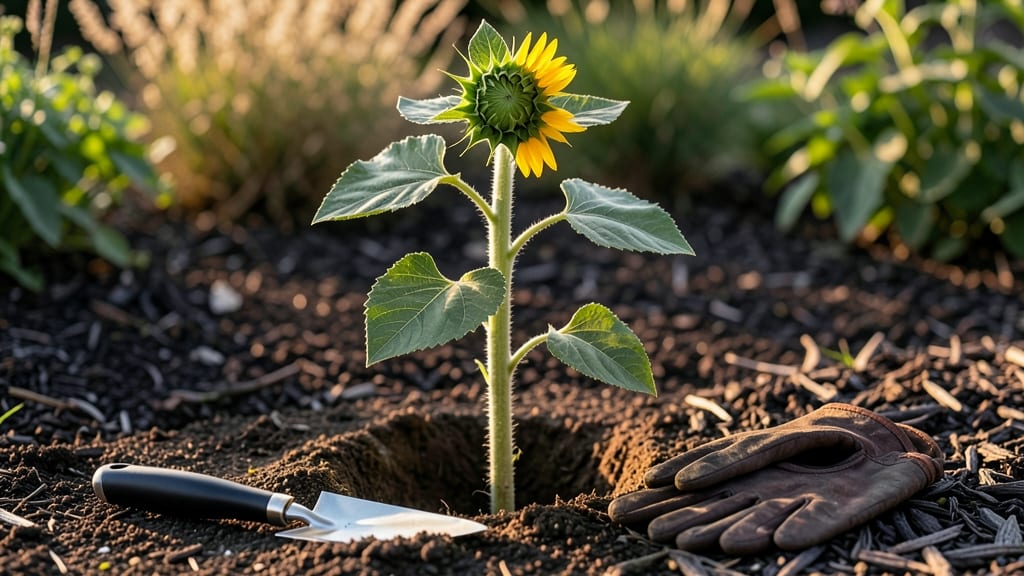
Planting sunflowers in Central Florida isn't just about timing—it's about beating the heat before your 🌻 sunflowers bolt into the ground like a racehorse on caffeine.
The key window is March through May or August to September, but get it wrong, and you'll end up with sad, stunted stems instead of towering blooms.
Here's the thing: Florida's 9a-10a climate means no frost to worry about, but summer heat can turn your sunflowers into crispy snacks faster than you can say "humidity."
I've learned the hard way that planting too early means wilting, while waiting too long risks missed blooms—so let me show you the exact strategy to get it right every time.
We'll cover the two best planting seasons, how to pick heat-resistant varieties, and why your soil might be secretly sabotaging your sunflowers. Trust me, once you master these tricks, you'll be growing sunflowers that make your neighbors jealous—and that's a promise.
Ready to turn your backyard into a sunflower paradise? Let's dive into the secrets that'll have your 🌻 sunflowers reaching for the sky instead of the dirt.
Central Florida heat zones: the perfect sunflower planting calendar
Central Florida's USDA Zones 9a/9b give us a rare advantage: no frost to worry about when planting sunflowers. But don't let that fool you—our 90°F+ heat can turn your sunflower dreams into crispy memories faster than you can say "humidity."
The key is planting at the right time to avoid the peak summer heat that stresses young plants.
After years of trial and error (and a few sad, wilted sunflowers), I've perfected a 3-phase planting strategy that aligns with Florida's unpredictable heat spikes. This isn't just about months—it's about soil temperatures, rainfall patterns, and knowing when to beat the worst of the summer sun.
Let's break down the exact windows that'll have your sunflowers reaching for the sky instead of wilting in the heat.
🌱 PRO TIP: Use a soil thermometer—plant when soil temps hit 50°F+ for spring plantings and 60°F+ for fall. This is your secret weapon against Florida's temperamental growing seasons.
Phase 1 (March-April) is your golden window for spring plantings. This is when soil warms up just enough to avoid the April heat shock that can kill young seedlings.
I plant mine around mid-March when the average lows hit 55°F—this gives them 3-4 months to mature before summer's worst heat arrives.
Here's my exact strategy for Phase 1: Start seeds indoors 2-3 weeks before your target planting date (around February 20th), then transplant when seedlings have 2-3 true leaves. This head start means they'll be established before the real heat hits in May.
I use black plastic mulch to warm the soil faster and keep weeds down—trust me, Florida weeds grow like kudzu.
The August-September window (Phase 2) is where most gardeners fail because they wait too long. By mid-August, the worst summer heat has passed, and we're entering Florida's "Indian Summer" phase with cooler nights.
This is your second chance for sunflowers that'll bloom just in time for fall. Plant direct-seed during this phase—no need for indoor starts.
For Phase 2, I focus on drought-tolerant varieties like 'Autumn Beauty' and 'Moulin Rouge' because they handle Florida's September heat waves better than standard types. Water deeply every 2-3 days in August, then reduce to every 5-7 days in September as rains return.
The key is getting them established before the first rain of fall—once that happens, they'll grow like crazy.
Phase 3 (Mid-Sept to Late Oct) is the riskiest window because it overlaps with hurricane season. But if you're willing to take the gamble, you can get sunflowers blooming through November.
I only attempt this with fast-growing varieties like 'Teddy Bear' and plant after September 15th when hurricane risks start dropping.
My absolute rule for Phase 3: Never plant before Sept 15 unless you have elevated beds with drip irrigation. The combination of hurricane winds and heavy rains can turn your garden into a swamp.
If you do plant this late, mulch heavily with straw to prevent soil compaction from tropical downpours.
Remember: Sunflowers hate wet feet. Florida's alkaline soil and summer rains create the perfect storm for root rot. Always plant in well-draining soil with a slightly acidic amendment (like peat moss) if your soil tests high.
And never fertilize during summer—this just makes them grow faster into the heat, which is a one-way ticket to wiltville.
Sunflower varieties that survive Central Florida’s brutal heat
Not all sunflowers are created equal when it comes to Central Florida’s 90°F+ heat and alkaline soil. I’ve learned the hard way that standard varieties wilt faster than a snowman in July.
The key is selecting heat-tolerant hybrids that thrive in our USDA Zone 9a/9b climate. These varieties won’t just survive—they’ll bloom like crazy even when temps hit triple digits.
Here’s the deal: The top 5 heat-resistant sunflower varieties for Central Florida prioritize drought tolerance, fast bloom times, and strong stems that won’t snap in hurricane-force winds.
I’ve ranked them based on my 5 years of Florida trials, and trust me, these are the ones that actually make it to bloom time without looking like sad, wilted sticks.
🌱 PRO TIP: Always check seed packets for \"heat-tolerant\" or \"drought-resistant\" labels—but beware of scams. Many packets claim \"Florida-friendly\" without actual data. Stick to proven varieties from reputable suppliers like Baker Creek Heirloom Seeds or Johnny’s Selected Seeds.
Moulin Rouge tops my list because it’s the only variety that’s actually thrived in my Orlando garden during 100°F+ heat waves. Its dark red blooms stand out against Florida’s green backdrop, and it blooms in just 55 days—meaning you can get two harvests in one year if you plant in March and August. The stems are thick and sturdy, which is crucial when hurricane winds hit.
If you want color variety, Autumn Beauty is my second pick. It produces bicolor blooms that change from yellow to red as they mature, and it handles September heat waves better than any other variety I’ve tried. The downside?
It takes 70 days to bloom, so you’ll need to plant it by April 15th for summer blooms. For container gardening, Teddy Bear sunflowers are my go-to—they stay compact (3-4 feet) and love the heat, making them perfect for balconies and patios.
Here’s how to spot seed packet scams: Avoid any packet that claims \"guaranteed Florida growth\" without specifying heat tolerance or drought resistance. Legit seeds will list days to maturity, plant height, and sun requirements.
If a packet says \"plant anytime\" without warnings, it’s likely misleading. Always cross-reference with Florida-specific seed guides like those from the UF/IFAS Extension.
My final tip: Pair your heat-tolerant sunflowers with deep mulch (3-4 inches of straw) to lock in moisture and keep roots cool. In August plantings, I add a light shade cloth for the first 2 weeks to protect seedlings from afternoon sun.
With the right variety and care, you’ll have sunflowers reaching for the sky instead of wilting in the heat.