
Flowers
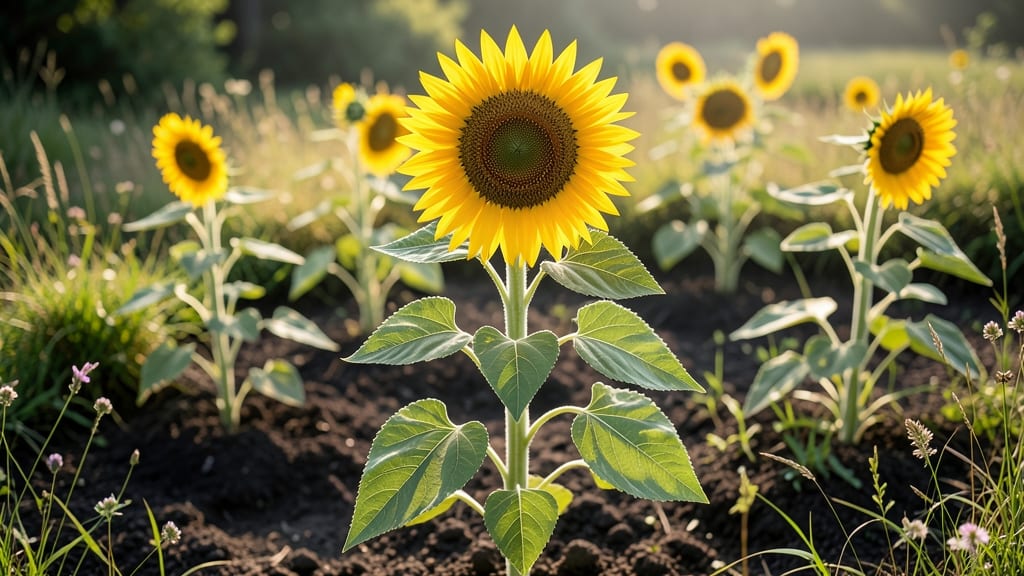
If you’ve ever wondered when are sunflowers in season in Florida, the answer lies in timing—because unlike cooler climates, Florida’s frost-free zones let you grow sunflowers twice a year, but only if you plant at the right moments.
Most gardeners in USDA zones 9a-11 plant sunflowers in February–April for spring blooms or August–September for fall harvests, but North Florida’s cooler pockets and South Florida’s relentless summer heat complicate things. Get this wrong, and you’ll end up with leggy stems or seeds that never mature.
I’ve grown sunflowers across Florida’s microclimates, and the difference between a bountiful harvest and a failed patch comes down to two things: soil temperature and avoiding the dog days of July.
Let me walk you through the exact months to plant—and how to adjust for your specific corner of the state.
Whether you’re after towering cut flowers, crunchy seeds for birds, or both, these planting windows will give you sunflowers that thrive year-round. Ready to skip the trial-and-error?
Best planting months for sunflowers in Florida’s climate zones
Florida’s diverse climate zones—from North Florida’s cooler winters to South Florida’s near-tropical warmth—create unique windows for growing sunflowers (Helianthus annuus). Unlike northern states, Florida gardeners can plant sunflowers twice a year to avoid extreme heat or rare frost.
The key is aligning planting with temperature shifts and rainfall patterns that prevent bolting or disease.
Sunflowers thrive in Florida’s USDA Zones 9a–11, where frost is rare but still possible in North and Central Florida. Even in South Florida (Zone 11), summer heat can stress young plants, making timing critical.
Below, I’ll break down the ideal planting months for each region, plus heat-tolerance tips to ensure vibrant blooms and plump seeds.
| Region | Best Planting Window | Avoid Planting | Key Considerations |
|---|---|---|---|
| North Florida (Zones 8a–9a) | February–March, August–September | April–July (summer heat), December–January (frost risk) | Wait for soil >60°F; use shade cloth in summer |
| Central Florida (Zones 9a–9b) | January–February, August–September | May–July (peak heat), December (cool snaps) | Start seeds indoors in Jan for early blooms |
| South Florida (Zones 10a–11) | September–November, February–March | June–August (monsoons + heat), December–January (humidity) | Prioritize drought-tolerant varieties; mulch heavily |
In North Florida, where frost can linger until mid-March, aim to plant sunflowers after February 15th to avoid cold snaps. The August–September window lets you enjoy fall blooms before winter sets in.
For Central Florida, January plantings give you spring blooms, while August starts ensure autumn harvests before humidity spikes.
South Florida’s frost-free growing season allows year-round planting, but summer monsoons and 90°F+ temps can stress sunflowers. I recommend focusing on September–November for cool-season growth and February–March to beat the summer heat. Dwarf varieties like ‘Teddy Bear’ handle humidity better than towering types.
For all regions, soil temperature is critical. Sunflowers germinate best in soil above 60°F, but roots thrive at 70°F+. Use a soil thermometer to check—planting too early in cool soil leads to poor germination or stunted growth.
In North Florida, wait until mid-February; in South Florida, September is ideal.
Heat tolerance varies by variety. ‘Moulin Rouge’ and ‘Autumn Beauty’ handle Florida’s heat better than ‘Russian Giant’, which bolts faster in summer. For extended blooms, succession plant every 2–3 weeks during your region’s window. This ensures continuous flower power and seed production.
Watering strategies differ by season. In spring and fall, sunflowers need 1–1.5 inches of water weekly. But in summer, deep water every 3–4 days at soil level to prevent fungal diseases like powdery mildew. Mulch with straw or pine needles to retain moisture and regulate soil temp.
Florida’s humidity and pests (like sunflower moths) can derail growth. Space plants 12–18 inches apart for airflow, and apply neem oil if you spot chewed leaves. In South Florida, shade cloth (30–50%) during peak afternoon sun helps prevent heat stress.
Timing your sunflower harvest is just as important as planting. In North Florida, aim for April–June blooms; in South Florida, September–November harvests align with cooler temps. Watch for petals wilting and seed heads turning brown—these are your cues to harvest for birdseed or roasting.
🌻How to extend sunflower season in Florida’s heat and humidity
Florida’s summer heat and humidity can turn sunflowers into wilting disasters if you don’t adjust your approach. Unlike cooler climates, where sunflowers bolt naturally, Florida’s 90°F+ temps and high humidity force plants to mature too quickly—or give up entirely.
The secret to extending your sunflower season lies in strategic shade, precise watering, and choosing the right varieties that won’t bolt before they bloom.
I’ve tested dozens of sunflower varieties across Florida’s zones, and the difference between a thriving patch and a failed experiment comes down to three key factors: soil moisture, temperature control, and pest prevention.
Skip these, and you’ll end up with leggy stems or premature seed drop. Let’s dive into the tactics that keep my sunflowers blooming from spring to fall—even in South Florida’s brutal July.
⚠️ Critical Warning for Florida Sunflowers
When are sunflowers in season in Florida? The answer isn’t just about months—it’s about avoiding the danger zone. Sunflowers planted between May and August in Florida face three major risks: heat stress, bolting, and fungal diseases. Even in South Florida’s Zone 11, temperatures above 88°F trigger premature bolting, where plants shoot up stems but fail to produce full blooms or viable seeds. The solution? Plant only in spring (Feb–April) or fall (Aug–Sept), and use shade cloth (30–50%) during peak afternoon sun to keep soil temps below 85°F.
Pro Tip: If you must plant in summer, choose dwarf varieties like ‘Teddy Bear’ or ‘Moulin Rouge’—they bolt slower and handle humidity better than giants like ‘Russian Giant’. Also, water deeply at soil level (not overhead) to prevent powdery mildew, a fungal nemesis in Florida’s damp summers.
One of the biggest mistakes I see is overwatering sunflowers in summer. While they need consistent moisture, Florida’s humidity means too much water leads to root rot and fungal infections. Instead, water deeply every 3–4 days at the base of the plant in the early morning.
This mimics natural rainfall patterns and keeps leaves dry, reducing mildew risks. For container-grown sunflowers, use pots with drainage holes and water when the top 1–2 inches of soil are dry.
Shade isn’t just for delicate plants—it’s a game-changer for Florida sunflowers. During June–September, use 30–50% shade cloth to filter afternoon sun (1 PM–5 PM), which is when temps spike. This keeps soil temps below 85°F, slowing bolting and extending the vegetative growth phase.
I’ve seen sunflowers planted in full shade during summer still produce compact blooms when moved to full sun in fall. Just ensure they get 6+ hours of morning sun for strong stems.
Not all sunflower varieties are created equal in Florida’s climate. ‘Autumn Beauty’ and ‘ProCut’ are my top picks for heat tolerance—they bloom later and larger than standard types. For dwarf options, ‘Teddy Bear’ and ‘Sunspot’ handle humidity without bolting.
Avoid ‘Russian Giant’ in summer; it bolts in under 60 days when temps exceed 85°F. Instead, try ‘Moulin Rouge’, which produces multiple blooms per stem and thrives in 90°F+ heat.
Pests like sunflower moths and aphids thrive in Florida’s humidity. To keep them at bay, space plants 12–18 inches apart for airflow and spray neem oil every 2 weeks during peak season.
I also mulch heavily with straw or pine needles to deter ground-dwelling pests and retain moisture. If you notice chewed leaves, act fast—sunflower moth larvae can devour buds before they open.
Finally, don’t forget that succession planting is your secret weapon for year-round sunflowers. Instead of one big planting, sow small batches every 2–3 weeks during your region’s ideal window. This ensures continuous blooms from spring to fall, even if some plants bolt early.
For example, in Central Florida, I plant January, March, and August to stretch the season. In South Florida, February, May, and September work best.
🌻