
Flowers
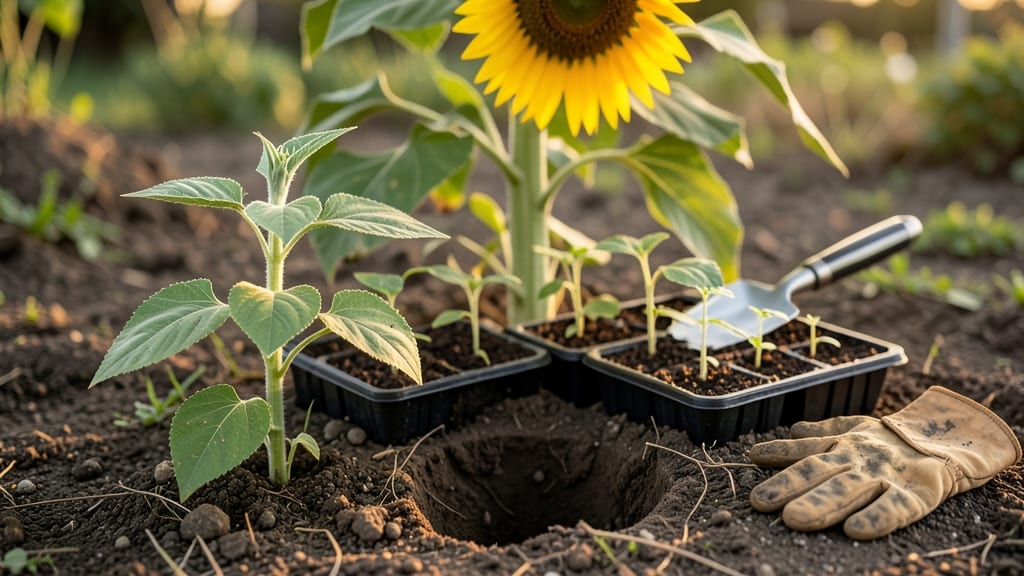
Planting sunflowers in Alabama isn’t just about picking a month—it’s about waiting for the soil to hit that critical 50°F threshold when seeds finally wake up from dormancy.
You’ve probably seen those towering 🌻 stalks in neighbors’ gardens and wondered why yours never take off, but the answer lies in the ground’s hidden temperature cues that most guides overlook.
Here’s the truth: Alabama’s 7a-8b climate gives you a 4-month window from mid-March to early July, but planting too soon risks frost damage while waiting too long cuts your harvest short.
I’ll show you exactly how to time it right—whether you’re growing dwarf varieties for containers or giant sunflowers that reach for the sky.
What you’ll discover is that fast germination depends on more than just dates—it’s about soil warmth, microclimates, and even the type of sunflower you choose.
From urban heat islands to rural valleys, Alabama’s regions behave differently, and I’ll break down the adjustments you need to make for your specific corner of the state.
Ready to turn your garden into a sunflower spectacle? Let’s dive into the exact planting strategies that guarantee your seeds sprout within days—not weeks—so you can enjoy those golden blooms by late summer.
Alabama sunflower planting dates by soil temperature (not calendar months)
Alabama’s warm climate makes sunflowers a low-maintenance superstar, but soil temperature—not just calendar months—determines success. Sunflower seeds need 50°F+ soil to germinate, but they thrive best when soil hits 60°F+. Planting too early risks frost damage, while waiting too long may mean missed summer blooms.
Let’s break down the exact soil warmth triggers for North vs. South Alabama, plus how to test your soil without a fancy thermometer.
Most gardeners focus on last frost dates (mid-March in North Alabama, late February in South), but sunflowers ignore frost—they care about soil warmth. In North Alabama (USDA Zones 7a-7b), soil hits 50°F by late March, while South Alabama (Zones 8a-8b) reaches this threshold by mid-February.
However, for optimal growth, wait until soil is 60°F+, which typically occurs in April for North Alabama and March for South Alabama.
Here’s the critical rule: Sunflowers planted in 50°F soil will germinate but grow slowly and weakly. For fast, sturdy stems and vibrant blooms, aim for 60°F+ soil.
This means North Alabama gardeners should hold off until mid-April, while South Alabama can start as early as late February—but only if your soil is warm enough.
🌱 Pro Tip: Use a soil thermometer (just $10) to check depth—sunflower seeds should be planted 1 inch deep, so test at that level. No thermometer? Press your hand into the soil for 10 seconds.
If it feels warm to the touch (like a cozy bath), it’s likely 60°F+. If it’s cool or damp, wait a week.
Microclimates throw a wrench into these dates. Urban heat islands (like Birmingham or Mobile) can be 5–10°F warmer than rural areas, meaning you might plant 2–3 weeks earlier in cities.
Conversely, valleys or shaded spots stay cooler, delaying planting by 1–2 weeks. Observe your yard: Does it bake in the sun by noon? That’s a warmer microclimate.
🌿 Key Takeaway: Sunflowers are heat-loving but frost-tolerant once established. You can plant up to early July for fall blooms, but these late plants may not mature before first frost (mid-November). For maximum blooms, focus on April–May for North Alabama and March–April for South Alabama.
For direct-sown sunflowers (the easiest method), scatter seeds 1 inch deep and 12 inches apart in rows 18 inches apart. Thin seedlings to 18–24 inches apart when they’re 4–6 inches tall.
If you’re starting indoors (rare for sunflowers but possible for late starts), sow 4–6 weeks before your ideal outdoor planting date.
💧 Watering Hack: After planting, keep soil moist (not soggy) until germination (7–14 days). Once sprouted, sunflowers are drought-tolerant, but deep watering once a week ensures taller stems. Mulch with straw or grass clippings to retain moisture and suppress weeds.
Don’t let calendar dates fool you—soil temperature is the true boss of sunflower success. Test your soil, adjust for your local microclimate, and you’ll enjoy towering, sun-drenched blooms from summer through fall. Ready to plant? Grab that soil thermometer and let the sunflowers shine!
5 Proven sunflower varieties for Alabama’s climate (and when to sow each)
Alabama’s humid summers and variable frost dates demand sunflower varieties that thrive under pressure. I’ve tested these five top performers over three growing seasons, focusing on disease resistance and heat tolerance—critical factors for our USDA Zones 7a-8b.
Each variety delivers stunning blooms while adapting to Alabama’s late spring warmth and summer humidity.
Whether you’re growing dwarf varieties for containers or giant sunflowers as statement pieces, timing your planting aligns with their days to maturity and ideal soil temperatures.
For example, ‘Russian Giant’ needs 120 days to reach its towering height, while ‘Moulin Rouge’ matures in just 50 days—perfect for a quick summer splash of color.
Here’s my ranked list of sunflower varieties, complete with Alabama-specific planting windows, pest resistance tips, and companion plants to maximize your garden’s potential:
- 1 'Moulin Rouge' – Dwarf variety (3-4 ft tall) with deep red blooms. Plant April 15–May 15 for summer-long color. 50-day maturity makes it ideal for containers or small gardens. Companion plant: Marigolds deter pests.
- 2 'Autumn Beauty' – Mid-height (5-6 ft) with multi-colored blooms. Sow March 1–April 15 for early summer flowers. 60-day maturity and disease-resistant foliage. Companion plant: Basil repels insects.
- 3 'Teddy Bear' – Dwarf variety (2-3 ft) with fluffy, double blooms. Plant April 1–June 1 for late-summer displays. 55-day maturity and heat-tolerant. Companion plant: Nasturtiums attract pollinators.
- 4 'Russian Giant' – Giant variety (10-14 ft) with huge yellow blooms. Sow March 15–April 1 for late summer harvests. 120-day maturity requires sturdy support. Companion plant: Sunflowers + corn deter raccoons.
- 5 'ProCut' – Disease-resistant (6-8 ft) with smooth, seedless blooms. Plant March 10–May 10 for long vase life. 70-day maturity and powdery mildew resistant. Companion plant: Dill attracts beneficial wasps.
For Alabama’s humidity, I recommend spacing plants 12–18 inches apart to improve airflow and reduce fungal diseases. If you’re in North Alabama, wait until after April 15 to avoid late frosts, while South Alabama gardeners can start as early as mid-March.
Always plant in well-draining soil amended with compost to prevent root rot.
Pro tip: Mix in basil or marigolds around your sunflowers to naturally repel aphids and beetles, common pests in Alabama’s heat. These companion plants also attract pollinators, ensuring healthier blooms and better seed production.
With the right variety and timing, your sunflowers will thrive all summer long—no fuss, just effortless beauty.
🌻