
Plants
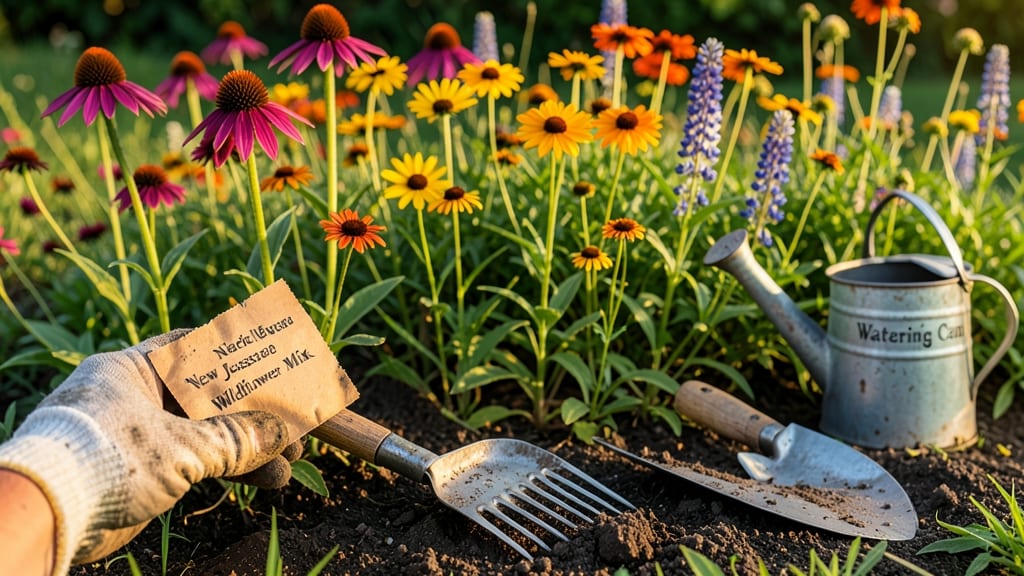
Planting wildflower seeds in NJ at the wrong time could mean waiting years for those vibrant blooms to appear—because timing here isn’t just about the calendar, it’s about beating the frost and giving your 🌼 seeds the perfect start.
New Jersey’s 6a-7b zones mean your planting window is tighter than you think. Skip the guesswork and learn exactly when to sow—whether you’re aiming for spring’s bold color bursts or fall’s steady growth before winter sets in.
I’ll break down the best months for each season, plus NJ-specific tricks like soil prep and moisture management that make all the difference between a patchy garden and a lush, buzzing meadow.
Ready to transform your yard into a pollinator paradise? Let’s get those seeds in the ground the right way—no more wasted seasons.
Best planting times for wildflower seeds in NJ: spring vs fall comparison
New Jersey’s 6a-7b climate zones create a tight window for planting wildflower seeds—just a few weeks too early or late can mean the difference between a thriving meadow and a failed attempt.
The key is understanding how soil temperatures and frost dates interact with your local microclimate, whether you're in coastal Cape May or inland Sussex County.
For most native wildflowers, fall planting often outperforms spring because cooler temperatures reduce seed dormancy and allow roots to establish before winter.
But spring planting can still work if you time it right—just after the last average frost date, which typically falls between April 1-15 depending on your zone.
Here’s the critical comparison: fall planting (late September to early October) gives seeds a head start, while spring planting (March to early April) relies on quick germination before summer heat sets in. Let’s break down the pros and cons for each season.
🌱
| Factor | Spring Planting (March-April) | Fall Planting (September-October) |
|---|---|---|
| Best For | Non-native species, quick blooms | Native species, long-term establishment |
| Soil Temp | 45-55°F (7-13°C) | 50-65°F (10-18°C) |
| Germination Time | 2-4 weeks | 3-6 weeks |
| Frost Risk | Moderate (late frosts possible) | Low (seeds dormant by first frost) |
| Water Needs | High (consistent moisture) | Moderate (established before dry spells) |
| Bloom Time | Summer (June-August) | Next summer (June-August of following year) |
| Germination Rate | 60-75% | 75-90% (native species) |
| Best For NJ Zones | 6b-7a (cooler inland areas) | All zones (6a-7b) |
Spring planting works best for non-native wildflowers that thrive in warmer conditions, like cosmos or zinnia. These varieties germinate quickly in NJ’s March-April soil temperatures (45-55°F), but you’ll need to keep seeds moist until they sprout—often a challenge with NJ’s unpredictable spring rains.
Fall planting, however, is ideal for native species like black-eyed Susan or purple coneflower. These seeds benefit from cooler fall temperatures, which break dormancy naturally.
By planting in late September or early October, you give roots time to establish before winter, resulting in 75-90% germination rates compared to spring’s 60-75%.
One critical factor is soil preparation. For spring planting, till the soil in early March to loosen compacted earth and remove weeds. In fall, aim for mid-September to allow seeds to settle before frost.
Both seasons require well-draining soil, but fall planting gives you an extra buffer against NJ’s summer droughts.
If you’re in Zone 6a (northern NJ), prioritize fall planting—your first frost often arrives by November 15, leaving little room for error in spring. For Zone 7b (southern NJ), spring planting can work if you sow seeds by March 15 and protect them with mulch until germination.
Pro tip: Test your soil’s moisture retention before planting. NJ’s clay-heavy soils can suffocate seeds
How NJ’s climate zones affect wildflower seed germination success
New Jersey’s USDA zones 6a-7b create distinct challenges for wildflower germination—northern counties like Bergen or Passaic face later last frosts, while southern areas like Cape May or Atlantic can plant earlier. These differences mean your planting window could shift by 3-4 weeks depending on location.
In Zone 6a, where winters are colder, aim for late April to early May spring planting or early September fall sowing. For Zone 7b, you can start as early as mid-March in spring or push fall planting to mid-October—just before the first frost.
Soil temperatures are critical: seeds need 45-65°F soil to germinate. In northern NJ, wait until soil warms to 55°F (usually after May 1), while southern NJ can plant 2 weeks earlier when soil hits 50°F.
| Zone | Spring Planting Window | Fall Planting Window | Soil Temp Requirement | Key Tip |
|---|---|---|---|---|
| 6a (North NJ) | Late April - Early May | Early September | 55°F+ | Use black plastic mulch to warm soil faster |
| 6b (Central NJ) | Mid-April - Late April | Mid-September | 50°F+ | Test soil moisture weekly—drought stress slows growth |
| 7a (South NJ) | Early April - Mid-April | Late September - Early October | 45°F+ | Choose drought-tolerant varieties like black-eyed Susan |
| 7b (Extreme South NJ) | Mid-March - Early April | Mid-October | 40°F+ | Mulch with straw to retain moisture in summer heat |
Moisture management is your biggest challenge in NJ’s humid summers. After planting, maintain consistent soil moisture—water deeply 2-3 times per week until seeds sprout (about 10-14 days). Once established, reduce to weekly deep watering to prevent fungal diseases like powdery mildew.
For northern NJ (Zone 6a), focus on spring planting and use row covers if late frosts threaten. Southern NJ gardeners (Zone 7b) can experiment with fall planting for earlier spring blooms, but avoid sowing after October 15 to allow roots to establish before winter.
Pro tip: Mix native wildflower seeds (like purple coneflower) with non-natives (like cosmos) for better germination rates—natives handle NJ’s clay-heavy soils better, while non-natives add color variety.