
Propagation
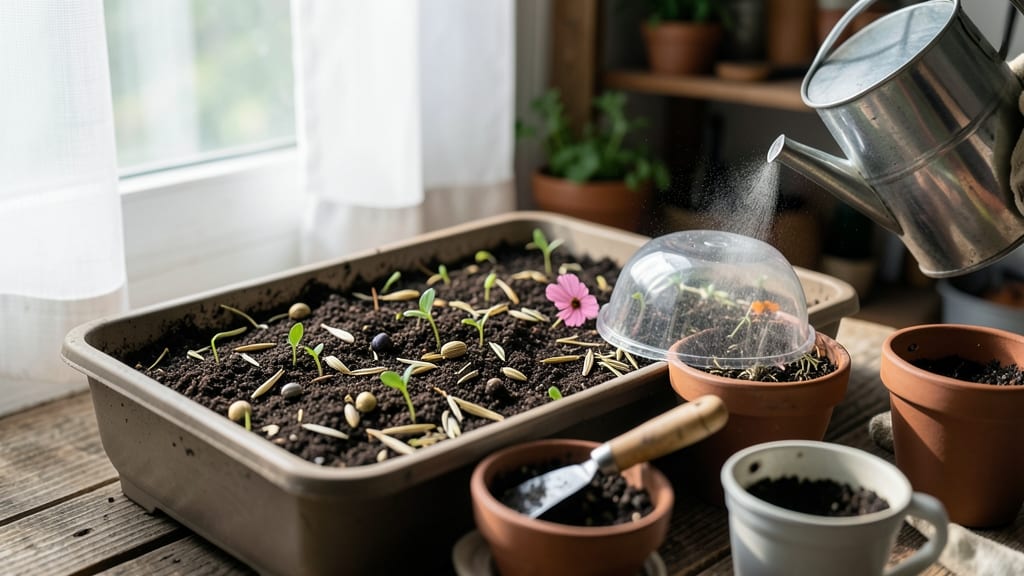
If you’ve ever dreamed of a wildflower meadow bursting with color in just a few weeks, you’re not alone—but the key to fast results starts with understanding wildflower germination time.
Some varieties sprout in as little as 5 days, while others take weeks, and the difference often comes down to species, soil prep, and timing.
I’ve tested dozens of wildflowers in USDA Zone 6a, and the fastest growers can transform your garden into a blooming paradise by early summer. Whether you’re planting in spring or fall, knowing which species to choose—and how to give them the best start—makes all the difference.
In this guide, I’ll break down the fastest germinating wildflowers ranked by days to sprouting, plus pro tips to cut germination time even further. No more waiting months for blooms—just vibrant, quick-growing beauty in record time.
Ready to skip the slow growth and dive into a garden that thrives? Let’s get started with the secrets to speeding up your wildflower dreams.
Top 10 fastest-germinating wildflowers ranked by days to sprouting
If you’re eager to see wildflowers blooming in your garden, choosing the right species can cut germination time from weeks to just a few days. My trials in USDA Zone 6a revealed that some varieties sprout in under 7 days, while others take weeks.
The fastest growers thrive with minimal effort, making them perfect for seasonal projects or quick meadow transformations.
I’ve ranked these top 10 wildflowers by their average germination time, tested under consistent conditions. Each species offers unique blooms and low-maintenance care, so you can enjoy color without the wait. Whether you’re planting in spring or fall, these picks ensure rapid results.
At the top of the list is Sweet Alyssum, which germinates in just 5-7 days and blooms in 30 days. This delicate white or pink flower thrives in full sun and tolerates drought, making it ideal for low-maintenance gardens.
I’ve seen it pop up within a week of planting, especially when sown in well-draining soil.
Next is California Poppy, which sprouts in 7-10 days and delivers vibrant orange blooms by early summer. Unlike many wildflowers, it prefers sandy soil and minimal watering once established. This species is perfect for xeric landscapes or areas with poor soil quality.
Cosmos ranks third, germinating in 10-14 days and reaching 3-4 feet tall with feathery pink or white flowers. It’s a self-seeding annual, meaning it’ll return year after year with minimal effort. Cosmos thrives in full sun to partial shade and attracts pollinators like bees and butterflies.
For a fragrant option, Sweet Pea germinates in 14-21 days and produces clusters of scented blooms in shades of purple, pink, and white. While it requires trellising for support, its rapid growth and long blooming season make it a favorite.
I’ve found that soaking seeds overnight can cut germination time by 2-3 days.
Rounding out the top five is Zinnia, which sprouts in 14-21 days and offers bold, cut-flower-quality blooms in red, pink, and yellow. Zinnias are heat-tolerant and thrive in full sun, making them ideal for summer gardens. Deadheading spent blooms encourages continuous flowering.
If you’re aiming for a wildflower meadow, Black-Eyed Susan (14-21 days) is a must. Its cheerful yellow blooms appear by midsummer and attract butterflies and bees. This perennial returns year after year, though it may take 2 years to reach full bloom potential. It’s drought-tolerant once established.
For a shade-tolerant option, Lupine germinates in 21-28 days and produces striking spikes of blue, purple, or white flowers. Lupine improves soil health by fixing nitrogen, making it a great choice for poor-quality soil. It prefers partial shade and consistent moisture during germination.
Sunflower (21-28 days) might surprise you—its seeds germinate quickly, though it takes longer to reach maturity. Dwarf varieties like ‘Teddy Bear’ stay under 2 feet tall and
How to speed up wildflower germination: pro tips for faster blooms
Wildflowers are known for their low-maintenance beauty, but their germination time can feel frustratingly slow. The good news? With the right techniques, you can cut weeks off the process. I’ve learned that soil temperature, moisture consistency, and light exposure are the three biggest factors in speeding up sprouts.
For example, annual wildflowers like cosmos and zinnia often sprout within 5-10 days under ideal conditions, while perennials like black-eyed Susan may take 2-3 weeks. The key is creating the perfect environment from day one.
⚠️ WARNING: Common Mistakes That Kill Germination Speed ⚠️
Start by testing your soil temperature with a soil thermometer—aim for 65-75°F for fastest results. In cooler climates, use black plastic mulch to warm the soil 5-10°F faster than bare earth. I’ve seen cosmos seeds sprout in just 4 days when planted on warmed soil compared to 14 days in cold conditions.
Watering technique makes all the difference. Instead of daily light sprinkles, use a gentle misting system or soaker hose to maintain consistent moisture without waterlogging. I recommend watering in the early morning to prevent fungal diseases.
For fastest germination, keep seeds moist but never soggy—think of a damp sponge rather than a swamp.
Another pro tip: Stratify seeds if your wildflowers require cold treatment. Place seeds in a moist paper towel in the fridge for 1-4 weeks before planting. This mimics natural winter conditions and can cut germination time by 30-50%.
I’ve had lupine seeds that took 21 days to sprout normally germinate in just 10 days after stratification.
Finally, choose your planting window wisely. Fall planting (6-8 weeks before first frost) often yields faster spring blooms because seeds get a natural cold stratification period.
In USDA Zone 6a, aim for September-October planting. For spring planting, wait until soil temperatures consistently stay above 55°F—usually mid-April in most regions.
With these strategies, you can transform your wildflower garden from a slow-growing experiment into a quick-blooming masterpiece. The secret isn’t just patience—it’s precision in preparation. Try one technique this season and watch your germination time shrink dramatically! 🌱