
Plants
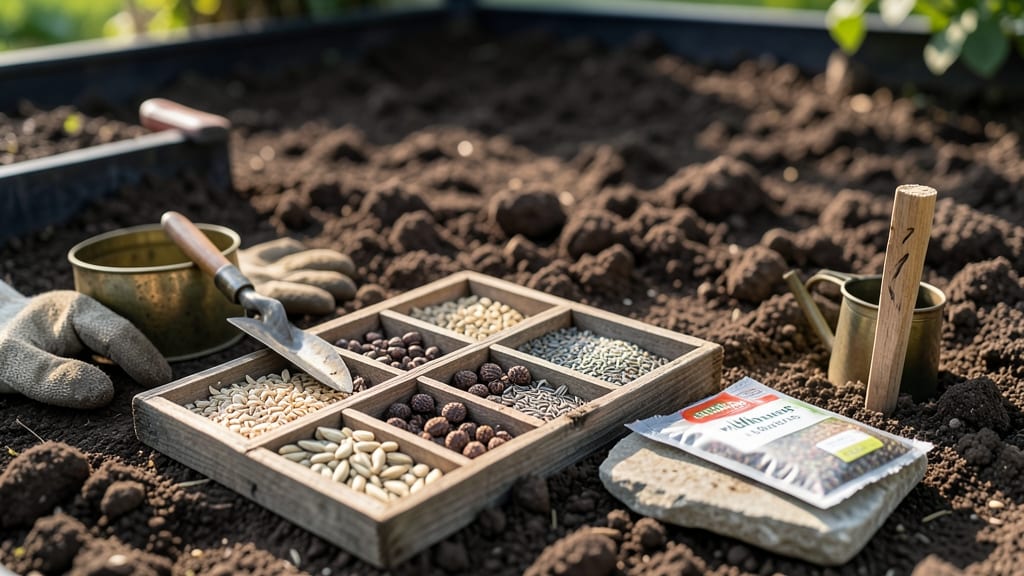
Planting wildflower seeds at the perfect moment in spring can transform your yard into a burst of color—or leave you staring at bare soil. The key? Timing it right when the ground warms enough to support growth but before summer’s heat sets in.
In USDA Zone 6a, where frosts linger until mid-April, the ideal window stretches from early March to late May. But here’s the catch: soil temperature matters more than the calendar. Seeds need 40°F–65°F to germinate, so test your soil before committing.
Whether you’re sowing annuals like poppies or perennials like black-eyed Susans, the right timing ensures faster blooms and fewer weeds. I’ll walk you through how to read your climate, prep the soil, and avoid common pitfalls—so your 🌼 wildflower meadow thrives from day one.
Skip the guesswork and learn the exact steps to plant when conditions are just right. Your future garden will thank you!
Optimal soil temperature ranges for planting wildflower seeds in spring
Spring is the perfect time to sow wildflower seeds, but getting the soil temperature just right is critical for successful germination. Most wildflower seeds thrive when soil temperatures range between 40°F and 65°F. This window ensures seeds wake from dormancy without risking frost damage or overheating.
Understanding these ranges helps you time your planting for the best results, whether you're cultivating a meadow or a small garden plot.
Different wildflower species have unique temperature preferences, so knowing your local climate zone and seed types is essential. For example, cool-season wildflowers like poppies and bluebonnets germinate best at the lower end of this range, while warm-season varieties like black-eyed Susans prefer slightly warmer soil.
Regional variations also play a role—northern gardeners may need to plant earlier than those in southern climates to avoid late frosts.
Testing your soil temperature is easier than you think. Use a simple soil thermometer, available at garden centers, to check temperatures at a depth of 1-2 inches. This is where seeds typically germinate. For best accuracy, take readings in the morning when soil temperatures are most stable.
If your soil is too cold, wait a few days or use a black plastic mulch to warm it up faster.
Here’s a quick guide to help you determine the best planting window based on soil temperature and your region:
| Wildflower Type | Ideal Soil Temp | Best Planting Time | Regional Notes |
|---|---|---|---|
| Cool-Season (Poppies, Bluebonnets, Larkspur) | 40°F–50°F | Early spring (March–early April) | Northern zones (USDA 3–5): Plant as soon as soil thaws. Southern zones (USDA 7–10): Wait for warm spells. |
| Moderate-Season (Coneflowers, Black-Eyed Susans, Coreopsis) | 50°F–60°F | Mid to late spring (April–May) | Transition zones (USDA 6–8): Plant after last frost date. Use row covers for early sowing. |
| Warm-Season (Sunflowers, Zinnias, Mexican Sunflower) | 60°F–65°F | Late spring (May–early June) | Southern zones (USDA 9–11): Start seeds indoors or use shade cloth to prevent overheating. |
| All Wildflowers (General Rule) | 40°F–65°F | After last frost date | Check local frost dates and monitor soil temps daily for consistency. |
If your soil temperature is below 40°F, your seeds may not germinate at all. On the other hand, soil warmer than 65°F can cause seeds to dry out or sprout too quickly, leading to weak seedlings.
To create an ideal environment, prepare your soil in advance by removing weeds and loosening the top layer. Adding a thin layer of compost can also help regulate temperature and provide nutrients for emerging seedlings.
For gardeners in colder climates, consider starting seeds indoors under grow lights or using a heated seed mat to maintain the right temperature. Once seedlings are a few inches tall and the risk of frost has passed, transplant them outdoors.
In warmer regions, focus on planting in shaded areas or using shade cloth to keep soil cool until temperatures stabilize.
Keep an eye on your local weather forecast and soil conditions for the next 10 days after planting. Consistent moisture is key—water lightly but frequently to keep the soil evenly damp, especially during dry spells.
Avoid overwatering, as soggy soil can lead to rot or fungal issues. Mulching with straw or grass clippings helps retain moisture and insulates the soil, creating a stable environment for germination.
Remember, patience is crucial when planting wildflower seeds. Some varieties, like bluebonnets, may take 10–14 days to sprout, while others, such as poppies, can emerge in just 5–7 days.
If you’ve planted at the right soil temperature but haven’t seen sprouts after 3 weeks, gently rake the area to check for seeds that may have been buried too deeply or washed away.
By paying close attention to soil temperature and adjusting your planting schedule accordingly, you’ll set your wildflowers up for a vibrant, long-lasting display. Whether you’re a beginner or a seasoned gardener, mastering this step ensures your meadow will bloom beautifully from spring through summer.
🌱
How to avoid frost damage: best planting strategies for spring wildflowers
Spring frosts can turn your wildflower dreams into a wilted disappointment if you plant too early. Even in USDA Zone 6a, where last frosts typically hit April 15, unexpected cold snaps strike.
The secret? A layered approach combining frost-resistant varieties, protective covers, and precise timing based on your local climate.
I’ve learned the hard way that planting bluebonnets or poppies before the soil warms to 50°F often results in seeds rotting underground. But with the right strategies, you can extend your planting window by 2–4 weeks without risking frost damage. Here’s exactly how to do it.
⚠️ Warning: Planting Too Early = Wasted Seeds
Even if your last frost date is April 15, soil may still be too cold for germination. Planting wildflower seeds before soil reaches 40°F risks:
- Seed rot from excess moisture
- Delayed germination (weeks of waiting)
- Frost-killed seedlings if temps dip below 32°F
Start by selecting frost-tolerant wildflower varieties like clover, coreopsis, or yarrow, which can handle light frosts once established. These species germinate faster and bounce back from 28°F temps better than delicate poppies.
For extra protection, sow seeds 1–2 weeks before your average last frost date in a warm microclimate, like near a south-facing wall.
Row covers are your best friend for extending the season. Lightweight floating row covers (made of spun polyester) let sunlight through while trapping warmth. Lay them over newly planted seeds and secure edges with bricks or soil to prevent wind damage.
Remove covers when daytime temps consistently stay above 50°F to avoid overheating. I’ve used these to plant black-eyed Susans as early as mid-March in Zone 6a with zero frost loss.
Timing isn’t just about the calendar—it’s about soil conditions. Work seeds into loose, well-draining soil that’s moist but not soggy. A simple trick: press seeds into the top ¼ inch of soil (never bury deeper) and water gently with a fine mist to avoid displacing them.
After planting, mulch with straw or shredded leaves to insulate seeds from temperature swings. This 3-layer protection (right variety + row covers + mulch) has saved my wildflowers from three unexpected late frosts.
For USDA Zones 3–5, where frosts linger longer, consider starter plants instead of seeds. Transplanting 6-inch seedlings after May 1 ensures established roots can handle 32°F dips.
In warmer zones (7–10), you can plant seeds as early as February, but always monitor 7-day forecasts for cold snaps. Pro tip: Use a frost clock app to track local freeze warnings in real time.
Remember, the goal isn’t to plant as early as possible—it’s to plant when conditions are just right. With these strategies, your wildflowers will bloom faster, compete with fewer weeds, and thrive through spring’s unpredictability. Happy planting—your future meadow will thank you! 🌼