
Plants
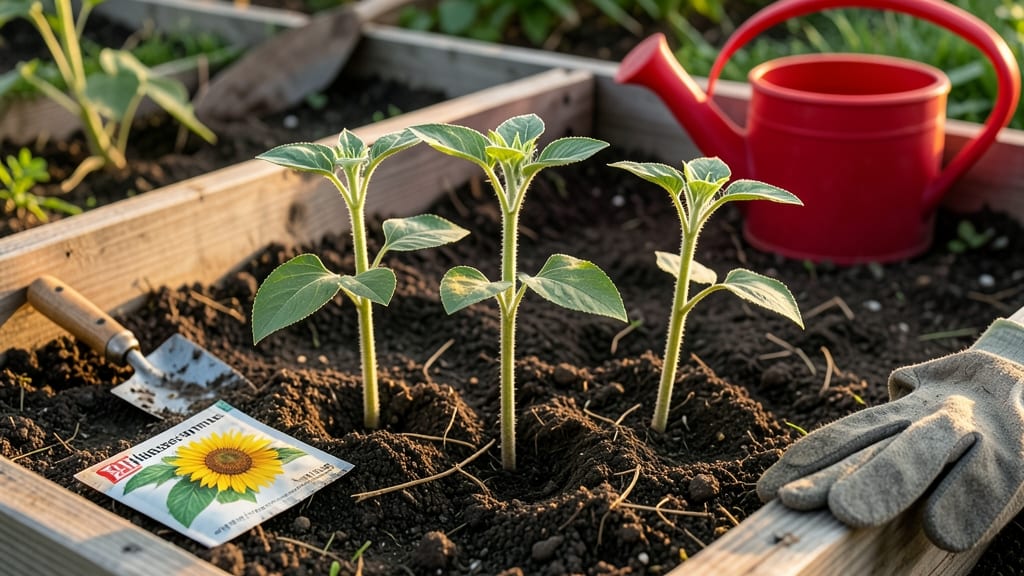
Planting sunflower seeds in Oregon at the wrong time means watching your 🌻 dreams wither before they even bloom—especially when your county’s frost-free date sneaks up faster than you think.
Whether you’re in the Willamette Valley or the high desert near Bend, knowing when to plant sunflowers is the difference between a towering summer display and a sad, stunted plant.
The mid-April to early June window might seem straightforward, but Oregon’s 7b–9a zones hide microclimates where frost lingers longer or heat arrives earlier.
I’ll break down exactly when to plant in your specific corner of Oregon—plus soil prep tips and spacing tricks to ensure your sunflowers grow tall and proud. No more guessing games.
Let’s get your sunflowers off to the right start—because timing isn’t just about the calendar, it’s about your local weather quirks.
Oregon’s frost-free deadlines by county heat zones for sunflower planting
Oregon’s diverse climate means sunflower planting deadlines vary dramatically from the coastal fog of Astoria to the high desert heat of Bend. The last frost date determines your planting window, and missing it could leave your seeds frozen in the soil.
Most of Oregon falls within USDA zones 7b–9a, but microclimates create huge differences—even within the same county.
For example, Multnomah County (Portland area) typically sees its last frost around April 15, while Malheur County in Eastern Oregon can plant as early as March 20 due to warmer, drier conditions. Understanding these county-specific deadlines helps you choose the right sunflower varieties and planting strategies for your garden.
Here’s how to use frost-free dates to time your sunflower planting perfectly, including recommendations for giant varieties (like ‘Russian Giant’), dwarf types (such as ‘Teddy Bear’), and confetti sunflowers (e.g., ‘Moulin Rouge’). Each thrives best with slightly different timing and care.
If you’re in the Willamette Valley (e.g., Lane or Marion Counties), aim to plant sunflower seeds between April 10–May 10 for optimal growth. The cooler coastal areas like Clatsop County benefit from starting seeds indoors in March and transplanting after the April 10 frost date.
Meanwhile, high-desert regions like Deschutes County can plant as late as June 10 due to their longer growing season.
For giant sunflowers, like ‘Russian Giant,’ prioritize warmer zones (e.g., Malheur or Umatilla Counties) where soil warms faster. These varieties need at least 120 days to mature, so planting too late risks frost damage before they bloom.
In contrast, dwarf varieties like ‘Teddy Bear’ thrive in cooler, foggier zones (e.g., Multnomah or Clatsop) and can tolerate slightly later plantings.
Pro tip: Use black plastic mulch in cooler zones to warm the soil faster, or row covers to extend your planting window by 2–3 weeks. This is especially useful in USDA zone 7b areas like Jackson or Hood River Counties, where frost lingers longer.
Always check your local agricultural extension office for real-time frost alerts
How to adjust sunflower planting time for Oregon’s microclimates and soil conditions
Oregon’s microclimates can turn your sunflower dreams into a gamble if you don’t adjust planting times. The Portland urban heat island might bake your seeds in April, while Astoria’s coastal fog could delay germination until June.
Even Mount Hood’s volcanic soil behaves differently than Bend’s high desert—so let’s customize your approach.
Start by choosing cold-hardy varieties like ‘Autumn Beauty’ for coastal areas or ‘Russian Giant’ for inland heat. These adapt better to Oregon’s 7b–9a zones and their quirky weather.
For soil prep, test your pH—sunflowers prefer 6.0–7.5—and amend with compost to improve drainage, especially in clay-heavy areas like the Willamette Valley.
Adjusting Sunflower Planting for Oregon Microclimates
✅ DO
- Portland Urban Heat: Plant late April–May after soil warms to 60°F
- Coastal Fog (Astoria): Wait until mid-June for frost-free safety
- High Desert (Bend): Start seeds indoors by March for earlier transplanting
- Volcanic Soil (Mount Hood): Add sulfur to lower pH if above 6.5
- Extend Season: Use black plastic mulch to warm soil 2–3 weeks earlier
❌ DON’T
- Plant too early in cool zones—seeds rot at 50°F or below
- Ignore soil moisture—drought stress stunts growth in high desert areas
- Skip row covers for late starts in coastal fog regions
- Overcrowd—space dwarf varieties 12" apart, giants 24"+
- Use fresh manure—can burn sunflower roots and delay flowering
Pro Tip: For Portland’s heat islands, plant dwarf varieties near buildings where heat reflects off pavement.
To extend your growing season, use row covers or black plastic mulch—both can add 2–3 weeks to your planting window. Lay mulch 4–6 weeks before your target date to warm the soil faster.
In coastal areas, combine row covers with sturdy stakes to prevent wind damage during foggy mornings.
For Bend’s high desert, focus on water retention. Mix compost into the top 6 inches of soil and mulch heavily to retain moisture. Mount Hood gardeners should test for aluminum toxicity—common in volcanic soil—and add lime if needed to raise pH above 5.5.
Remember, sunflowers are fast growers—they’ll bolt if stressed. Monitor your plants for yellowing leaves (a sign of overwatering or poor drainage) and adjust your care. With these microclimate tweaks, you’ll have sunflowers blooming from July to October, no matter where you garden in Oregon.
Now grab those seeds and let’s get planting—your future 🌻 giants are waiting!