
Flowers
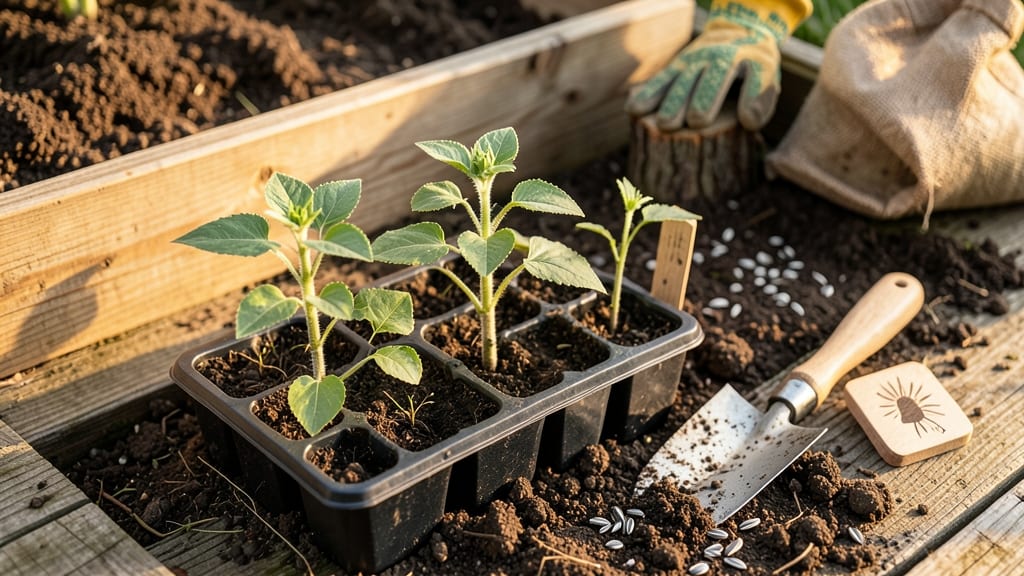
Planting sunflowers in Kansas at the wrong time can mean watching your towering 🌻 dreams wither before they even bloom. The key to success isn't just waiting for spring—it's understanding your specific heat zone and last frost dates, which can vary dramatically from north to south across the state.
Most Kansas gardeners in zones 5b-7a should aim to plant sunflowers between mid-April and early June, but those late frosts in northern counties like Sherman can push your ideal window closer to Memorial Day.
Meanwhile, southern Kansas gardeners might get a jumpstart as early as late March in milder microclimates.
Why does timing matter so much? Sunflowers need 60-120 days of warm soil to reach maturity, and planting too early risks frost damage while waiting too late cuts harvest time short.
I'll show you exactly how to calculate your perfect planting window based on your county's frost history and sunflower variety.
From preparing drought-resistant soil to adjusting for Kansas' unpredictable weather patterns, these strategies will help your sunflowers thrive whether you're in Wichita's 7a zone or Hays' 5b climate. Let's get those seeds in the ground at just the right moment.
Kansas sunflower planting deadlines by heat zone and county
Kansas spans USDA heat zones 5a through 7b, creating dramatic differences in frost-free dates across the state. In northern counties like Sherman (5a), gardeners often wait until May 10 to plant sunflowers, while southern areas like Dodge City (7a) can start as early as late March.
These variations mean your planting deadline could shift by 6 weeks depending on where you live.
The average last frost date across Kansas typically falls between April 15 and May 10, but microclimates near rivers or hills can push this window earlier.
For sunflowers, which need 60-120 days to mature, timing is everything—plant too early and face frost damage, too late and risk cutting your harvest short.
Below is your county-by-zone planting guide, including optimal windows for early, mid, and late-season varieties. I’ve also included soil temperature thresholds (50°F minimum) to ensure your seeds germinate reliably.
🌱
| USDA Zone | County Examples | Last Frost Date | Ideal Planting Window | Soil Temp Threshold | Best Varieties |
|---|---|---|---|---|---|
| 5a | Sherman, Republic, Norton | May 10 | May 15–June 1 | 50°F+ | 'Moulin Rouge' (45 days), 'Teddy Bear' (50 days) |
| 5b | Hays, Salina, Ellsworth | April 25 | April 30–May 15 | 50°F+ | 'Autumn Beauty' (55 days), 'ProCut' (60 days) |
| 6a | Manhattan, Junction City, Topeka | April 15 | April 20–May 10 | 50°F+ | 'Russian Giant' (80 days), 'Sunspot' (65 days) |
| 6b | Wichita, Hutchinson, Emporia | April 5 | April 10–April 30 | 50°F+ | 'Mammoth' (90 days), 'Evening Sun' (55 days) |
| 7a | Dodge City, Garden City, Haysville | March 25 | March 30–April 15 | 55°F+ | 'Titan' (100 days), 'Sunflower 'Lemon Queen' (60 days) |
| 7b | Garden City (south), Liberal | March 15 | March 20–April 10 | 55°F+ | 'Russian Giant' (80 days), 'Sunflower 'Russian Mammoth' (120 days) |
For gardeners in zone 5a, like those in Sherman County, I recommend sticking to short-season varieties like 'Moulin Rouge' (45 days to maturity) to avoid fall frosts.
Meanwhile, zone 7b gardeners in southwestern Kansas can afford to plant late-season giants like 'Russian Mammoth' (120 days) and still harvest before the first frost in mid-October.
Pro tip: Use a soil thermometer to confirm temperatures meet the 50°F minimum before planting. Cold soil delays germination, and sunflower seeds won’t sprout reliably below this threshold.
In zone 6a, where last frosts average April 15, I’ve found planting April 20 gives seeds enough time to establish roots before summer heat arrives.
If you’re in a transition zone like zone 6b (Wichita area), consider planting two batches: one early (April 10) with fast-maturing varieties like 'Sunspot' and a second batch (May 1) with taller types like 'Mammoth'.
This staggered approach extends your harvest window and ensures you get both early blooms for cut flowers and full-size seeds.
Kansas’ weather can throw a curveball with late spring frosts, sudden drought spells, and pop-up thunderstorms that can flatten young sunflower seedlings. I’ve learned the hard way that rigid planting dates won’t cut it here—you need a flexible strategy tailored to your specific microclimate. The key is monitoring soil temperature (not just air temperature) and having backup planting windows ready for each USDA zone. Most gardeners focus on last frost dates, but Kansas’ 5b-7a zones experience frost as late as May 10th in northern counties like Sherman or Salina. Meanwhile, southern Kansas (Wichita’s 7a zone) might see frost-free conditions by March 20th. This 6-week difference means your planting window should shift dramatically depending on where you live. Sunflower seeds need soil temperatures above 55°F to germinate properly. Planting in cold soil (below 50°F) can cause seed rot or stunted growth. Use a soil thermometer to verify—wait until morning soil temps consistently stay above 60°F for at least 3 days before planting. Pro Tip: In 5b zones, use row covers if planting early to protect against late frosts. In 7a zones, have a second planting ready for July 4th in case of unexpected cold snaps. For drought-prone areas like western Kansas, adjust your seed depth to 1.5 inches deep instead of the usual 1 inch. Deeper planting helps roots establish faster in dry conditions. Pair this with mulching (straw or grass clippings) to retain moisture—this can extend your watering intervals from every 3 days to every 5 days during heatwaves. Kansas’ unpredictable storms often arrive with high winds that can topple young sunflowers. To prevent this, plant dwarf varieties like ‘Teddy Bear’ (3-4 ft tall) in exposed areas, or use stakes or cages for taller varieties like ‘Russian Giant.’ Space your seeds 12-18 inches apart to give them room to sway without toppling. If your primary planting window gets washed out by rain or storms, have a backup schedule:
How to adjust sunflower planting for Kansas’ unpredictable weather
⚠️ Kansas Weather Warning: Don’t Plant Too Early!
These dates align with 120-day maturity for most sunflower varieties, ensuring you still get a harvest before first frost in October.
Finally, watch for hail season (May-June) and protect young plants with floating row covers or temporary shade cloths. With these adjustments, you’ll turn Kansas’ weather quirks into opportunities for hardier, more resilient sunflowers that stand tall against the elements. 🌻