
Plants
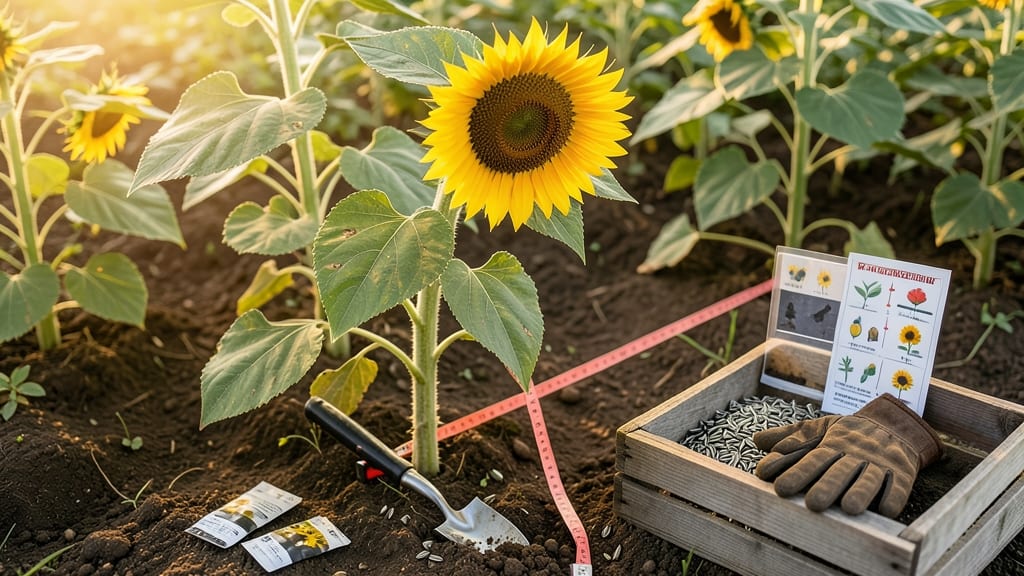
Planting sunflower seeds in Ohio at the wrong time can mean the difference between a stunning 🌻 garden and a sad pile of frost-nipped seedlings. The ideal window—mid-April to mid-June—aligns with when soil warms to 55°F and the last frost (usually around April 15) has passed.
But here’s the catch: Ohio’s USDA Zone 6a climate varies by county, so your exact timing depends on local frost averages. Too early, and a late freeze will kill tender sprouts; too late, and you’ll miss the 70-day growth window needed for full blooms by harvest season.
Don’t worry—this guide breaks down the precise planting schedule for your area, plus pro tips to adjust for soil temperature, variety height, and even urban heat islands. You’ll learn how to time it perfectly for continuous blooms from late August through October.
Ready to grow sunflowers that tower over your neighbors’ fences? Let’s get started with the county-by-county planting timeline that works for Ohio’s unpredictable spring.
Ohio’s sunflower planting timeline: county-by-county frost-free guide
Ohio’s sunflower planting success hinges on last frost dates, which vary dramatically across the state. From the northern lake-effect zones (like Ashtabula) to the southern Appalachian foothills (like Athens), your county’s average frost-free window determines whether your seeds sprout or freeze.
Let’s break down the optimal planting windows by region so you can time your sunflowers for maximum bloom potential.
Most Ohio gardeners aim to plant sunflowers 2-4 weeks after their county’s average last frost date. However, sunflower seeds germinate best in soil temperatures above 55°F (13°C), which often lags behind frost dates in cooler regions.
For direct sowing outdoors, wait until soil warms consistently—use a soil thermometer to confirm. In northern Ohio (USDA zones 5a-5b), this might mean delaying until late May, while southern Ohio (zone 6a-6b) can start as early as mid-April.
| Region | Avg. Last Frost | Direct Sow Window | Indoor Start Window | Key Notes |
|---|---|---|---|---|
| Northern Ohio (Ashtabula, Erie, Trumbull) | May 10–15 | May 20–June 5 | April 1–15 (6–8 wks before last frost) | Lake-effect delays; use black plastic mulch |
| Northeast Ohio (Cuyahoga, Lorain, Medina) | April 25–May 5 | May 10–25 | March 20–April 5 | Urban heat islands may warm soil faster |
| Central Ohio (Franklin, Delaware, Licking) | April 15–20 | April 30–May 15 | March 1–March 15 | Ideal for giant varieties like 'Mammoth' |
| Southeast Ohio (Athens, Hocking, Vinton) | April 5–10 | April 15–30 | February 20–March 10 | Earlier starts for fall harvests |
| Southwest Ohio (Hamilton, Butler, Clermont) | April 10–15 | April 20–May 5 | February 28–March 15 | Warmer microclimates extend growing season |
📍 Use this interactive map to find your county’s exact last frost date: Ohio Frost Free Calculator
For indoor starts, begin seeds 6–8 weeks before your county’s last frost date. Use grow lights or a sunny windowsill (south-facing) to prevent leggy seedlings. Harden off seedlings for 7–10 days before transplanting after the last frost.
In northern Ohio, this might mean starting seeds in early April, while southern Ohio gardeners can delay until late February for early blooms.
Pro tip: Succession planting every 2 weeks ensures continuous blooms. For example, in Franklin County, plant a batch on April 30, another on May 15, and a final batch on June 1 to enjoy sunflowers from July through October.
This works especially well for dwarf varieties like 'Teddy Bear' (2–3 ft tall) that won’t overwhelm smaller gardens.
Watch for late spring frosts, which can still occur in May. If your area has a history of May frosts (like parts of Lake County
5 Critical factors that determine your sunflower planting date in Ohio
While Ohio’s last frost date (usually around April 15) is the first rule of thumb, it’s not the only factor. Your soil temperature must reach at least 60°F for seeds to germinate properly, and this can lag behind air temperature by weeks.
I’ve learned the hard way—planting too early in chilly soil means waiting weeks for sprouts, or worse, moldy seeds.
Then there’s the variety you choose. Dwarf varieties like 'Moulin Rouge' (3-4 feet tall) mature in just 50-60 days, while giant types like 'Autumn Beauty' (10+ feet) need 90-120 days to reach full bloom.
Planting a giant variety too late means you’ll miss the late summer harvest window entirely.
Ohio’s microclimates also play a huge role. Urban areas like Columbus can be 5-10°F warmer than rural counties, creating a 2-3 week planting window shift. Even a south-facing garden bed warms faster than a north-facing one, giving you an extra chance to start seeds earlier.
Wait until soil reaches 60°F+—use a soil thermometer to check. Cold soil delays germination by 1-2 weeks or causes rot.
Dwarf varieties (50-60 days) can start 2 weeks later than giants (90-120 days). Adjust for your harvest goals—early blooms for summer or late blooms for fall.
Urban areas (e.g., Columbus) plant 2-3 weeks earlier than rural zones (e.g., Toledo). Check your local heat island effect—paved areas warm faster.
South-facing beds warm 3-5 days faster than north-facing. If your garden is shaded, delay planting by 1 week or choose shade-tolerant varieties like 'Teddy Bear'.
For continuous blooms, stagger plantings every 2 weeks in May-June. Early varieties (e.g., 'Autumn Beauty') bloom in late August; late varieties (e.g., 'Moulin Rouge') extend blooms to October.
Don’t overlook succession planting—this is how I’ve achieved 3 months of sunflower blooms in my garden. By planting 'Autumn Beauty' in early May and 'Moulin Rouge' in late June, I ensure flowers from late August through October.
The key is spacing plantings 2 weeks apart to cover the harvest window.
Pro tip: Use black plastic mulch to warm soil faster in cooler areas. I’ve seen it raise soil temps by 5-8°F, letting me plant 10 days earlier without risking frost damage. Pair this with a row cover for extra protection if late frosts are forecasted.
Finally, adjust for Ohio’s unpredictable weather. Even if your county’s average last frost is April 15, a late freeze can hit in early May. I always keep row covers handy and monitor local forecasts—especially for dwarf varieties that need quick growth to avoid bolting too early.
Timing your sunflower planting isn’t just about dates—it’s about balancing soil warmth, variety needs, and microclimates. Master these factors, and you’ll enjoy towering sunflowers that outshine your neighbors’ gardens. 🌻