
Flowers
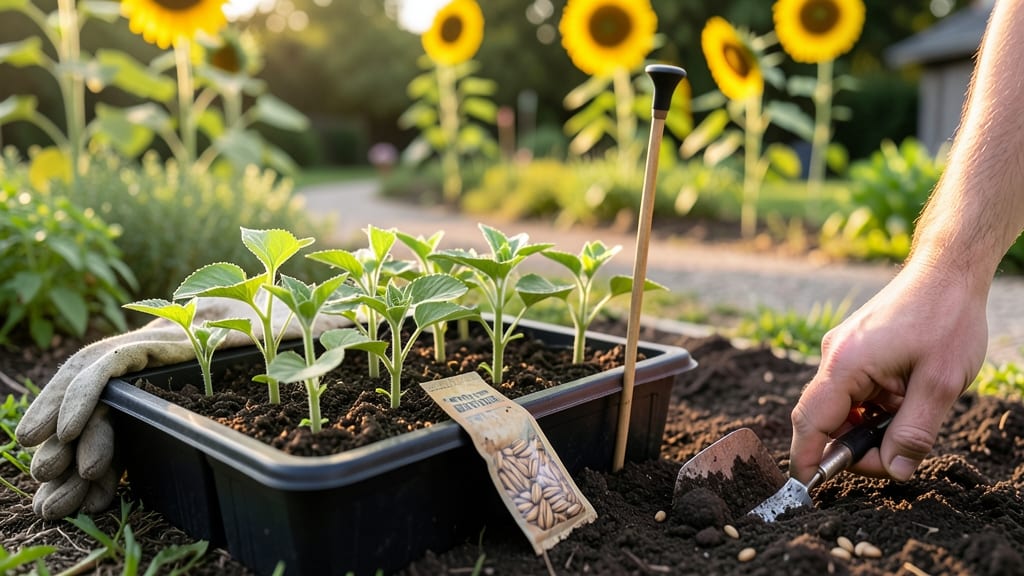
Timing your 🌻 sunflower planting in Ohio isn’t just about the calendar—it’s about beating frost, soil warmth, and Ohio’s famously fickle spring weather.
Plant too early, and a late frost will nip your seedlings in the bud; too late, and you might miss the 70-day window to harvest before winter sets in.
For Ohio’s Zone 6a, the sweet spot is between April 15 and June 1, but the exact week depends on your region—Columbus, Cleveland, or Cincinnati each have slightly different frost risks.
I’ll break down the critical weeks before your last frost date, plus how to adjust for urban heat islands or rural cool spots.
You’ll also discover how sunflower varieties—from dwarf Teddy Bears to towering Russian Giants—change your planting strategy. Some germinate faster, others need more warmth, and a few even handle Ohio’s humidity better. Let’s get your sunflowers off to the right start.
Skip the guesswork and learn the exact timing to maximize blooms, seeds, and those iconic 10-foot-tall stems. Whether you’re growing for cut flowers, birdseed, or just summer joy, these tips will set you up for success—no matter what Ohio throws your way.
Ohio’s last frost dates by region: when to plant sunflowers for Zone 5-6 success
Ohio’s Zone 5-6 climate creates a perfect stage for sunflowers (Helianthus annuus), but timing is everything. The last spring frost varies dramatically across regions—from April 15 in Cincinnati to May 5 in Cleveland—meaning your planting window shifts by 3 weeks.
Get this wrong, and you’ll either lose seedlings to frost or miss the summer bloom season entirely.
For direct sowing, aim to plant 2-3 weeks after your region’s average last frost date. Sunflowers are frost-tolerant once established, but seedlings won’t survive temperatures below 50°F (10°C). Transplants need even more warmth—wait until soil temps hit 55°F (13°C) and all frost risk has passed.
Here’s the breakdown you need to avoid common mistakes like overcrowding or late-season bolting. Urban areas (like Columbus) often experience earlier last frosts than rural zones due to the heat island effect, while lake-effect regions (like Cleveland) can delay planting by 10 days or more.
| Region | Avg. Last Frost | Direct Sow Window | Transplant Window | Microclimate Adjustment |
|---|---|---|---|---|
| Cincinnati | April 15 | April 29 - May 12 | May 15 - June 1 | Urban areas: 2-3 days earlier; rural areas: 3-5 days later |
| Columbus | April 22 | May 6 - May 19 | May 20 - June 5 | North side of city: 5 days later; south side: 3 days earlier |
| Cleveland | May 5 | May 19 - June 1 | June 5 - June 15 | Lake-effect zones: 7-10 days later; inland areas: 3-5 days earlier |
| Toledo | April 25 | May 9 - May 22 | May 25 - June 7 | Near Maumee River: 2 days earlier; upland areas: 4 days later |
In Cincinnati, where the last frost typically hits April 15, you can start direct sowing as early as late April if you use row covers for protection. However, most gardeners wait until late April to early May to ensure seedlings aren’t nipped by a late freeze.
For transplants, hold off until mid-May to give them a head start before summer’s heat sets in.
Columbus’s April 22 average last frost gives you a slightly longer window, but don’t rush—soil temperature is the real gatekeeper. Use a soil thermometer to confirm it’s 55°F (13°C) before planting.
In my garden, I’ve seen 3-year-old seedlings survive light frosts, but new sprouts will always lose the battle if temps dip below 45°F (7°C).
Cleveland’s lake-effect climate demands patience—wait until May 19 for direct sowing to avoid late-season frosts that can linger into June. Pro tip: Plant dwarf varieties like ‘Teddy Bear’ earlier (around May 10) since they mature faster and can handle cooler soils better than giant varieties like ‘Russian Giant’.
Urban gardeners often face microclimate challenges like concrete heat absorption or wind exposure. If you’re in a city like Columbus, plant near south-facing walls to capture extra warmth. Rural areas, meanwhile, benefit from warmer nighttime temps—perfect for late plantings if you missed the ideal window.
For extended seasons, try succession planting every 2 weeks from May through June. This ensures continuous blooms and seed production, even if your first batch gets hit by early autumn frosts.
Just remember: sunflowers need 70-120 days to mature, so don’t plant after July 1 unless you’re growing fast-maturing dwarf varieties.
Historical frost data shows that Ohio’s last frosts can vary by 2 weeks from year to year. To hedge your bets, keep row covers
5 Critical factors that determine sunflower planting success in Ohio
Ohio’s sunflowers thrive when you align planting with soil warmth, moisture balance, and humidity tolerance—not just frost dates. While most guides focus on last frost, I’ve seen firsthand how 50°F soil and 6+ hours of sun make the difference between robust stems and leggy failures.
Ohio’s humid summers also demand extra care to prevent fungal issues during germination.
Let’s dive into the 5 non-negotiable factors that separate successful sunflower patches from disappointing ones. These insights will help you adjust timing for Columbus’ heat islands or Cleveland’s cooler microclimates, ensuring your plants reach their full 10-foot potential—or at least your desired height!
- 🌡️ Soil Temperature Threshold: Wait until soil hits 50°F+ (test with a thermometer). Ohio’s April warmth varies—Columbus warms faster than Toledo.
- ☀️ Sunlight Requirement: 6+ hours of direct sun daily. South-facing beds get a 2-week head start over north-facing spots.
- 💧 Moisture Needs: Keep soil consistently moist (not soggy) during germination. Ohio’s May rains can drown seeds if drainage is poor.
- 🌬️ Humidity Impact: High humidity slows germination. Use row covers if planting in late May to protect tender seedlings.
- ⏰ Late Planting Risk: After June 1, sunflowers may not mature before frost. Dwarf varieties (e.g., ‘Teddy Bear’) are safer for late plantings.
First, soil temperature is the silent killer of sunflower starts. I’ve planted seeds in 45°F soil only to watch them rot—no sprouts, just slimy messes. Use a soil thermometer ($10 at garden centers) to confirm 50°F+ before planting.
In Columbus, this typically aligns with mid-April, but Toledo often waits until late April.
Next, sunlight isn’t just about hours—it’s about intensity. Ohio’s May sun is stronger than you’d expect, but cloud cover can trick you. If your garden gets partial shade (e.g., near a fence or tree), opt for dwarf varieties like ‘Moulin Rouge’ (4–5 feet) instead of giants that’ll flop over.
Ohio’s humidity plays a sneaky role too. While sunflowers love moisture, excess humidity during germination (common in June plantings) can cause damping-off disease. I’ve lost entire trays of seedlings to this—heartbreaking! To combat it, use row covers or plant in raised beds for better airflow.
Finally, don’t underestimate the late-planting penalty. After June 1, your sunflowers may not reach maturity before Ohio’s first frost (mid-October). For example, a ‘Russian Giant’ needs 120 days to harvest—planting after June 1 in Cleveland risks frost damage.
Use row covers to extend the season by 2–3 weeks if you’re pushing the deadline.
Pro tip: If you’re starting indoors, begin seeds 4–6 weeks before your last frost (early March for most of Ohio). But beware—sunflowers hate transplant shock, so harden off seedlings for 10+ days before moving them outside.
Your patience here pays off with bolder blooms and heavier seed heads.